Demon Ghost D3O Chest and Back Protector Review (2026)

I didn’t expect to like this thing as much as I do.

The Demon Ghost D3O arrived whilst testing gear for our best ski and snowboard back protector roundup. I assumed I’d test it for a few days, write my notes and move on. Instead, I kept wearing it.

I’ve always preferred fairly substantial protection, particularly when I’m likely to be crashing. My old FlexForce has taken years of abuse, and I wasn’t expecting something this lightweight to get much use.

But the Ghost has ended up being a regular part of my kit. It’s comfortable, doesn’t get in the way and provides decent chest and back protection without making me feel like I’m wearing a suit of armour.

Demon are quietly very good at this stuff. Which I’m slightly annoyed about because I look like a total Demon fanboy, but credit where it’s due.

Quick Verdict

Demon Ghost D3O Chest & Back Protector

I've worn the Ghost far more than I expected. It's comfortable enough for full days teaching, fits easily under a jacket and doesn't interfere with my riding. The chest protection has also proved useful, particularly when skiing through trees in Japan.

It's not a replacement for my FlexForce. I'd still prefer the extra coverage for bigger park sessions. But for everyday skiing and snowboarding, the Ghost is now my favourite.

Tested on snow • Also featured in our back protector roundup

Check Price at Demon   ↗

Full Review

I’ve always liked bulky, overbuilt protection. My FlexForce V7 has taken a ridiculous amount of punishment over the years, particularly when I was relearning backflips. If I’m expecting a day of heavy crashes, I still want that extra coverage.

The Ghost is quite different. I’ve been using it for normal resort riding, teaching and generally messing around on the mountain. A few weeks in, I’m wearing it far more often than I expected.

It’s considerably less cumbersome than the full FlexForce tops, although you obviously lose the shoulder, elbow and rib protection. Whether that’s a worthwhile trade-off depends on what you’re doing.

I haven’t tested it downhill mountain biking yet. That’s on the list for next summer.

1. Comfort & Fit

This is where the Ghost wins me over. I’ve worn plenty of back protectors that are fine for the first hour but gradually start annoying me. Usually it’s the straps digging in, or the back panel moving around whenever I bend over.

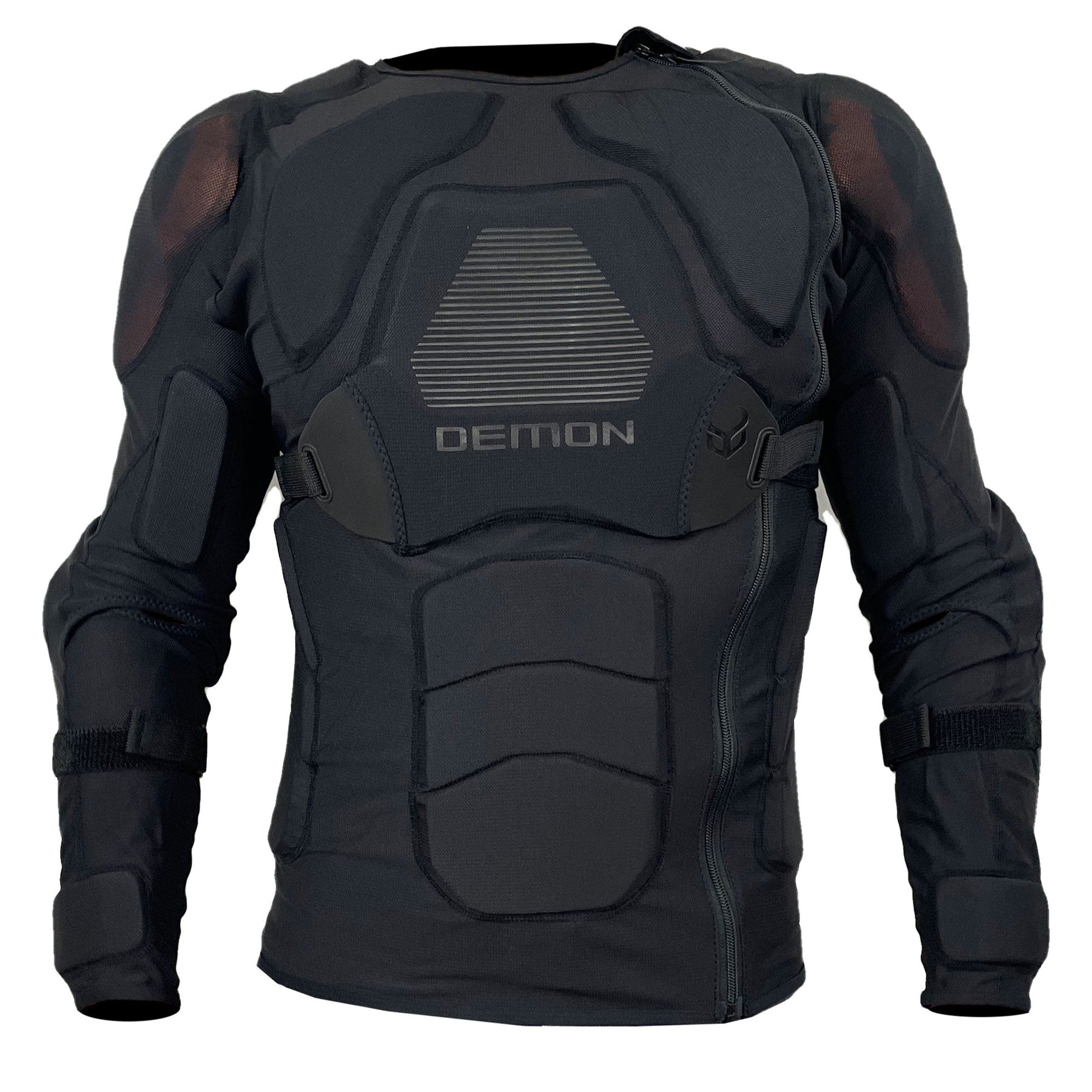
The Ghost fits much more naturally. The chest panel helps keep everything in place, and there’s enough adjustment in the shoulder and side straps to get it sitting properly without having to crank everything tight.

I can bend down to strap in, sit on lifts and twist around without much restriction. It’s also considerably less bulky under a jacket than my fully padded tops. I’ve even managed to wear it under some fairly fitted outerwear without looking like I’ve put on 50 lbs. 

The stretch fabric is comfortable against a base layer, although I wouldn’t wear it directly against my skin (which would be a crazy choice). It also breathes reasonably well. I’ve worn it for full days without getting particularly hot, whereas the FlexForce can get pretty sweaty once you start hiking or lapping the park.

You do sort of look like you’re about to head into Laser Tag. But I’ve seen far worse looking pads (particularly those weird spine-looking ones like something out of Predator).

One small annoyance is getting the straps adjusted properly the first time. I spent a little while fiddling with mine, but haven’t needed to touch them much since. You can slide it on like a sweater vest once dialled in. 

2. Protection

Obviously, you’re giving up quite a bit of coverage compared with the FlexForce. There’s nothing protecting your shoulders, elbows or ribs, so I wouldn’t choose the Ghost for a day spent repeatedly throwing myself onto hard snow.

But the back and chest protection is substantial enough for what I normally want.

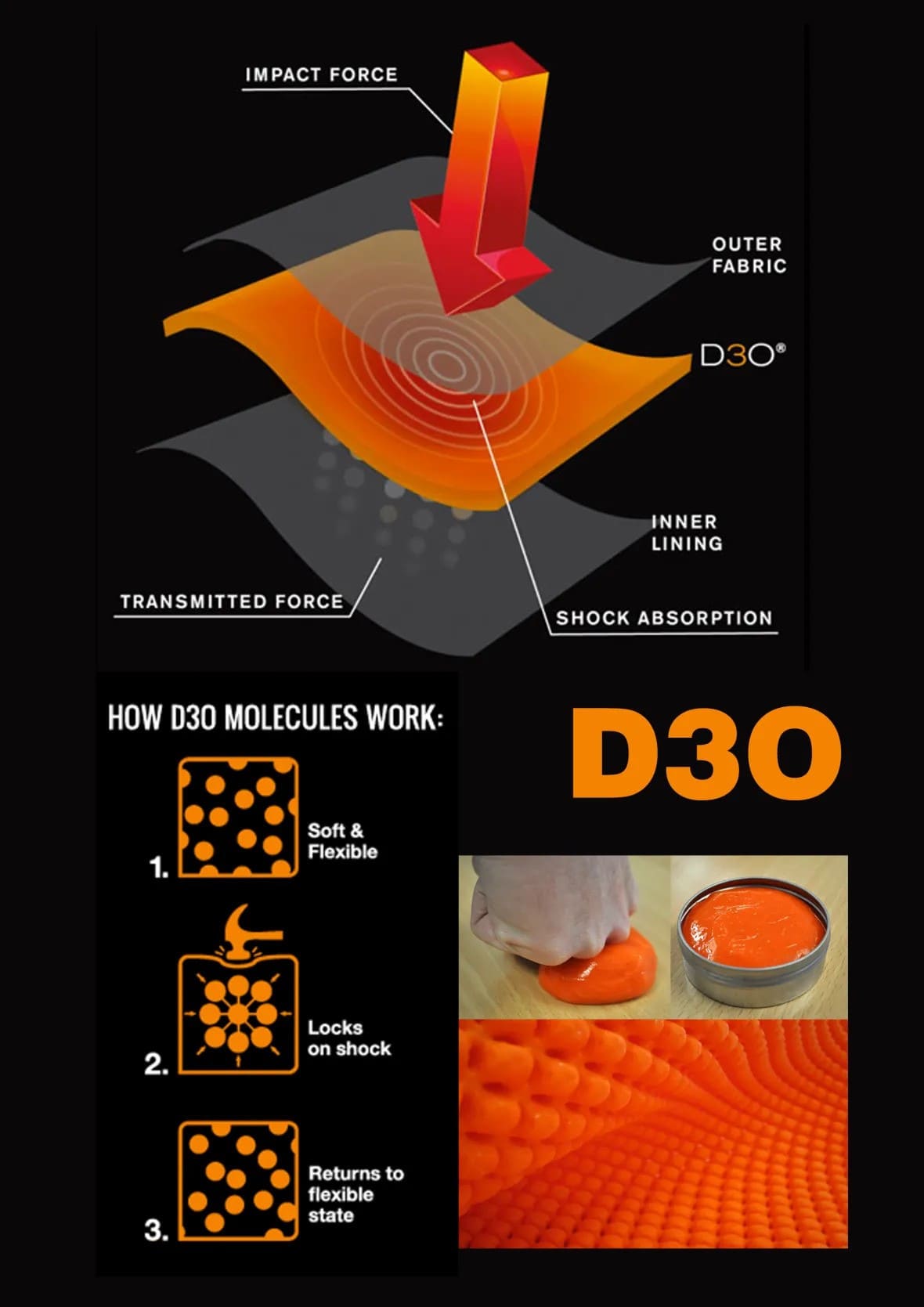
The panels are particularly good. It’s made from D3O, which stays flexible while you’re moving but stiffens under impact. I’ve taken a few decent tumbles wearing it, and it does a good job of taking the sting out of landing on your back.

I also appreciate having something across the front. I’ve used standalone spine guards for years, and the chest panel is a welcome addition. Apart from the protection itself, I find it helps keep the whole thing sitting securely against my body.

The most memorable test was in Japan, when I caught a branch across my chest while riding through some fairly tight trees. I was very glad I had the Ghost on. Not something I’d recommend deliberately testing!

One thing worth mentioning is that the chest and back inserts have different certifications. Demon lists the CP1 chest protector as EN 1621-3 certified and the BP4 back protector as EN 1621-2 certified. Those certifications apply to the individual inserts, rather than the entire garment.

This doesn’t mean all that much to me… Certainly sounds good, but I wouldn’t confuse that with a guarantee against injury, obviously. It’s still possible to hurt yourself wearing protection. Plus there’s plenty of your upper body left exposed.

For ordinary resort riding, though, I’ve found the coverage a sensible compromise. I get protection over my spine and chest without wearing the full suit every time I go snowboarding.

3. Durability

I’ve ridden these for 2 full weeks now. Nothing has shifted, sagged, or unpicked. 

The D3O panels stayed where they should. The fabric didn’t stretch out or lose shape. Stitching still looks clean, and there are no weak spots showing up yet.

I haven’t been particularly careful with it either. It’s been stuffed into bags, worn under different jackets and generally treated like any other piece of snowboard gear.

Long term durability always takes more time to judge properly, but so far there are no red flags. It feels like gear designed to be worn often and ridden hard. I’ll update this once the Ghost has been through a full season.

4. Tech Talk

This uses D3O CE-certified protection in both the chest and back. The back meets EN 1621-2, the chest meets EN 1621-3. In plain terms, it’s proper impact protection, not just padding.

The body is thermoformed and contoured, which is why it sits close and moves with you instead of feeling like a flat panel strapped on. It flexes when you ride, firms up when you hit something.

Fit is handled with adjustable shoulder and side straps, so you can dial it in without crushing your ribs or relying on compression to keep it in place. I particularly liked the adjustment system – works well.

Demon also sells a separate Ghost rib protector that can be paired with this. I haven’t tested that combination, but it’s worth knowing about if you want additional coverage around your sides.

Personally, if I wanted significantly more protection, I’d probably just wear my FlexForce. Adding more armour to the Ghost starts to defeat what I like about it.

5. Pros & Cons

PROS
  • ✔ Comfortable enough that I've kept wearing it after testing
  • ✔ Much less bulky under a jacket than my FlexForce
  • ✔ Chest panel keeps it securely in place
  • ✔ Doesn't get in the way when strapping in or bending over
  • ✔ Extra chest protection proved useful riding through trees in Japan
CONS
  • ✖ Takes some fiddling to get the straps adjusted initially
  • ✖ No protection for my ribs, shoulders or elbows
  • ✖ More expensive than a basic standalone spine guard

Who I'd Recommend It To

I’ve ended up wearing the Ghost mainly for normal resort days, teaching and the occasional bit of park riding. It’s particularly good if you’ve previously tried a bulky back protector and found yourself leaving it in the car.

I’d also recommend it over a standalone spine guard if you want some chest protection. Having something across the front makes the whole thing feel more secure, which is one of the reasons I’ve enjoyed wearing it.

I haven’t tested it mountain biking yet, although it’s designed for that too.

When I'd Wear Something Else

Demon V6 & V7 Impact Tops

What I wear when I'm expecting to crash repeatedly. Much more protection around the shoulders, ribs and elbows than the Ghost, but considerably bulkier.

If I’m heading out specifically to practise intense tricks (especially inverts) and expect to spend half the day crashing, I’m wearing my full impact top. 

If I was a complete beginner or someone with existing injuries (which I almost always am) I might also consider upgrading. The extra padding around the ribs, shoulders and elbows is what I miss with the Ghost. I’ve had enough awkward falls over the years to appreciate that coverage, particularly when I’m practising new tricks.

It also wouldn’t be my first choice for gnarly downhill mountain biking, although I haven’t tested it in that setting yet.

For ordinary resort riding or backcountry, I’m quite happy with the Ghost. For a day of deliberately throwing myself at the ground, I’d rather have the extra armour.

Final Thoughts

I’ve worn the Demon Ghost far more than I expected to. It’s comfortable, fits easily under a jacket and offers enough protection for most of my resort riding.

I particularly like having the chest protection. I’ve used plenty of standalone back protectors over the years, but having something across the front makes the whole thing feel more secure.

My FlexForce still gets used for park sessions and days when I’m expecting plenty of crashes. The Ghost is what I wear for everything else.

My only real complaint is the price. It’s considerably more expensive than a basic spine guard, although I think the additional chest protection and fit justify it.

For me, it’s been a very useful addition to my kit. I can see myself wearing it for years.

The Snow Chasers

Leave a Comment

Your email address will not be published. Required fields are marked *

six + twenty =

Scroll to Top