
Most riders have a strong side and a weak side. For me it has always been heelside. I can fake it on soft groomers, but on firmer days the heel edge often lets me down. That’s why I started spending real time on asymmetrical boards this season.
The idea is simple. The sidecut on the heel and toe are not the same. Heelside gets a tighter radius to help you roll over and hold clean through the middle of the turn. Toeside stays a touch longer and smoother so it doesn’t feel twitchy. You still set your stance and tune like normal. The board just meets you where your body mechanics struggle.
I rode a bunch of these in Jackson and Whistler across everything from wind buff to late day chop. With some, it felt like a a crappy gimmick. Others felt like a proper upgrade that made my bad turns better without messing with my good ones. Below are the ones that earned a spot.
🏆 Best Overall Pick
The Yes Greats Uninc is the best asymmetrical snowboard of 2026. Its unique shape makes heel-side turns smoother while staying stable, poppy and fun across the whole mountain.
My Top Asymmetrical Snowboards
- Best Overall: Yes Greats Uninc
- Most Versatile: Gnu Rider’s Choice
- Women’s Pick: Gnu Ladies Choice
- Freestyle Pick: Ride Twinpig
Best Asymmetrical Snowboards 2026
1. Yes Greats Uninc Best Overall Option
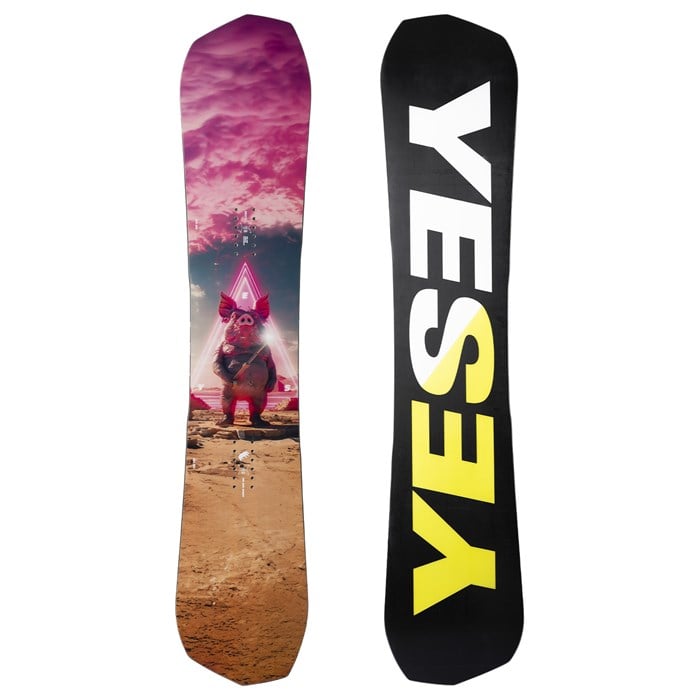
- Flex: 7/10
- Profile: Hybrid (CAMROCK 2-4-2)
- Base: Sintered True Base
- Shape: True Twin
- Extras: Asymmetrical Midbite, AsymFlex
More Details
This is the benchmark asym twin. The Greats uses YES’s Asym MidBite so the heelside gets extra bite and control without feeling twitchy on toe. The profile is CamRock with a bit more rocker at the ends this year (2-5-2), which keeps it lively but still locked when you stand on it. Flex sits in that mid-stiff pocket. Sintered base, light “Torrent” core, and a carbon stringer for snap. The idea is simple. Make your weak side feel less weak and keep the board fun everywhere on the hill.
On Snow
I put the Greats through clinics, park laps and chop days. This thing is so freaking fun. The first thing you notice is heelside. It rolls in clean and holds through the belly of the turn without asking for a fight. Switch feels natural, which is the whole point of a true twin with this kind of shaping. Pop is there when you load it and landings feel supported rather than stiff. In firm afternoon traffic it stayed predictable. On true ice I’d still want a sharp tune and good timing, but that’s every board that isn’t running serrated edges.
The only other nitpick for me is this years graphics. Not really my vibe, though I’m sure some of you will disagree.
Who It Suits
Riders who want one board for real resort days. Park to piste. Laps with friends to teaching first tracks. If you already like a camber-based feel and you want your heelside to stop telling on you, this makes life easier without feeling like a gimmick. If your mountain is deep more often than not, you will still want a wider, more directional deck on storm days.
Pros
- Asym MidBite gives faster edge changes and real heelside bite
- True twin that rides switch naturally
- Light core with carbon for pop without nervous chatter
- Mid flex - works for park laps, side hits and groomers
- Slightly wider waist helps with boot drag for bigger feet
Cons
- Not the board for boilerplate ice days (without a sharp tune)
- Mid to mid-stiff feel can fight slow butters and presses
- Not a deep powder specialist
- Popular sizes always sell out mid season
Bottom Line
The Greats has been refined for years and it shows. It cleans up heelside, rides switch the way a twin should and still lets you push when the hill gets busy. If I had to hand one asym board to an intermediate moving up or a park-leaning rider who wants more control on hard days, this is the one.
2. Gnu Rider's Choice Best for Versatility
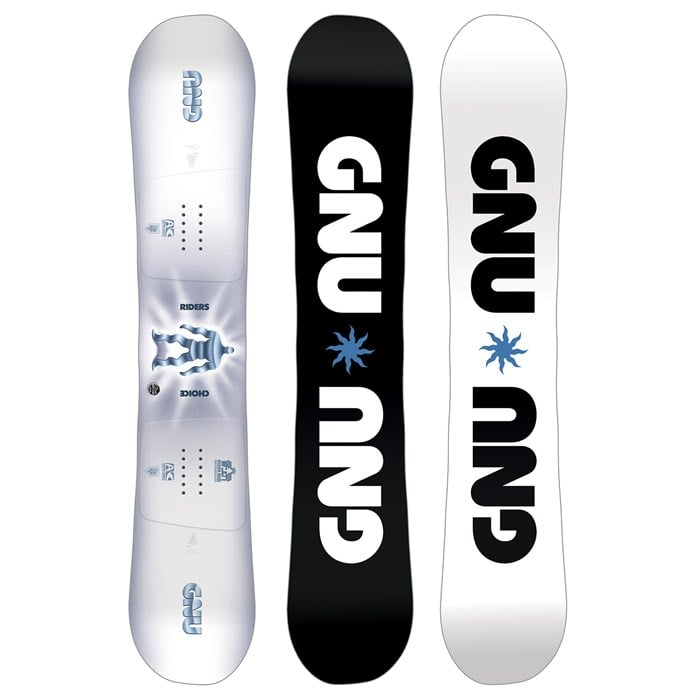
- Flex: Medium (5.5/10)
- Profile: C2X Contour (Rocker-Camber-Rocker)
- Base: Sintered
- Shape: True Twin
- Extras: Magne-Traction, ASYM Level 2
More Details
True twin with an asym sidecut that tightens up the heelside. C2X hybrid puts camber under each foot with light rocker between for a mix of control and forgiveness. Magne-Traction adds bite when things get scraped. Fast sintered Knife-Cut base and GNU’s 3-D Delightwood Asym Chip for a bit more drive and pop. Keep it waxed and tuned and it carries speed and holds a line.
On Snow
I taught on it in the morning and lapped in the afternoon. Heelside sets cleaner and stays put through the middle of the turn, which makes demos easier and riding less tiring. Switch is natural. There’s real grip in late-day traffic and it has enough pop to keep jumps interesting without feeling punishing on landings. In deeper snow it works if you keep speed, but it’s still a twin.
Who It Suits
Riders who want one board for resort days with a freestyle lean and cleaner heelside turns. If your hill is firm a lot, the edge tech helps. If your season is mostly storm days, keep a directional floater in the quiver.
Pros
- Noticeably cleans up heelside turns
- C2X profile feels stable when charging and forgiving when you relax
- Magne-Traction holds on firm mornings
- True twin rides switch naturally
- Sintered Knife-Cut base keeps speed (with regular waxing)
- Pop without a harsh, unforgiving tail
Cons
- Not a float specialist
- Edges can feel grabby. Consider a light detune at the contact points
- Butters again take more effort
Bottom Line
A solid, confidence-building twin that actually helps your weak side without making the rest of the ride weird. Tune it right and it earns it’s daily-driver status.
3. Gnu Asym Ladies Choice Best for Women

- Flex: Medium (6/10)
- Profile: C2x Contour (Rocker-Camber-Rocker)
- Base: Eco Sintered Base
- Shape: Asymmetrical True Twin
- Extras: Magne-Traction, ASYM Level 2
More Details
Women’s true twin with an asymmetrical sidecut that tightens up the heel edge so it rolls in cleaner and stays set through the turn. You can get it in two flavors this season. The standard Ladies Choice uses C2x with light rocker between the feet and camber under each binding for a mix of forgiveness and control. The Camber version uses C3 for more pop and a firmer, locked-in feel. Both have Magne-Traction, a sintered Knife-Cut base and an FSC wood core with carbon power bands. Keep it waxed and tuned and it carries speed very well on busy resort days.
On Snow
Jess used it when teaching, park-riding and visiting Utah. Heelside is the story. Once again it sets without drama and holds through the belly of the turn, which makes demoing movements easier and saves your legs when the snow gets rough. Switch feels natural. The C2x build is playful and easy to live with. The C3 build has more drive out of a carve and more snap off a lip if you like to push. Magne-Traction helps on scraped lanes, though we still give the very ends a light detune for park days.
Who It Suits
Lady riders who want a real twin that cleans up heel turns without making the toeside feel weird. Great daily driver for park-leaning resort days. If your mountain is firm a lot, the C3 version pays you back. If you prefer a looser, more forgiving feel, stick with C2x.
Pros
- Heel edge sets and holds cleanly
- Two camber options: easier C2x or more powerful C3
- Magne-Traction adds confidence
- True twin feels natural riding and landing switch
- Sintered Knife-Cut base keeps speed with regular waxes
- Light core with carbon gives pop without feeling twitchy
Cons
- Not great in powder
- Edges can feel grabby on rails
- C3 version can be a bit much if you prefer a looser feel
Bottom Line
The Ladies Choice takes the wobble out of your heel edge without changing how the rest of the board rides. It’s subtle – so don’t expect miracles – but it definitely helps. It’s a twin you can teach on, lap the park with and still trust when the groomers firm up. Go C2x if you want easygoing and playful. Go C3 if you want more drive and snap.
4. Ride TwinPig Best Freestyle Pick
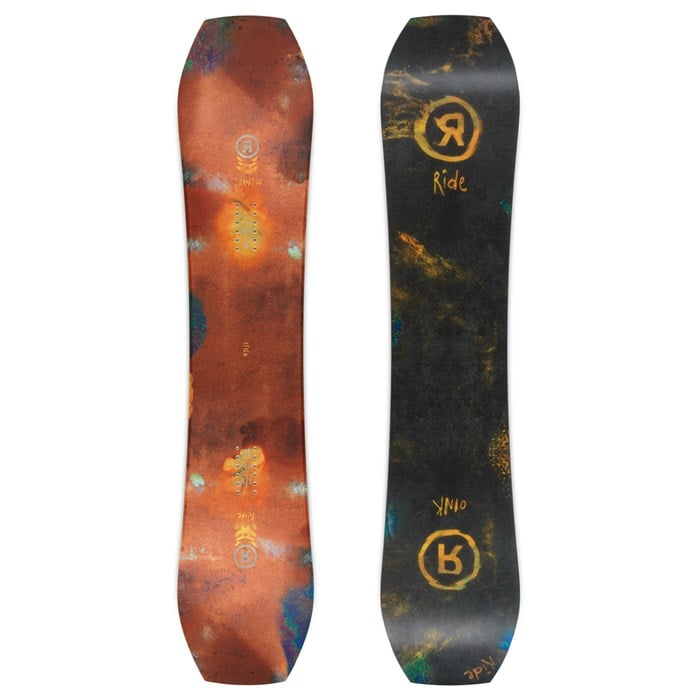
- Flex: 5.5/10
- Profile: Twin Standard Camber (Hybrid)
- Base: Sintered, fast and durable
- Shape: True Twin for freestyle symmetry
- Pairs With: Rome Katana bindings
- Extra Features: Asymmetrical Sidecut, Double Impact Plates, Cleave Edge™
Details
Twin version of the Warpig with an asym sidecut that tightens up the heel edge. You still size it down 3 to 6 cm from your usual twin, and the added width keeps you stable and cuts boot drag. Ride builds it with Slim Walls for damping, Double Impact Plates underfoot, Cleave Edge steel for durabilit, and a sintered base for speed. True twin, centered stance.
On Snow
I used the TwinPig during a week in France (Les Deux Alps). Cruising, park tinkering and side-hit laps. Heelside sets quicker than most twins and tracks well. Switch feels the same as regular, which makes park laps cleaner. Messing around the edge of groomers was super fun. The platform is forgiving on sketchy landings and the Slim Walls take the sting out of late-day chop. If you want the full asym benefit, ride a centered duck stance. In deeper days it works if you keep speed, but this is not a powder slayer.
Who It Suits
Riders who want a tougher, park-leaning daily twin that cleans up heelside without killing the fun. Good pick if you like a shorter board for spins and side hits, teach or ride switch a lot, or have bigger boots and hate toe drag. If your feet are small and you live for long, high-speed carves, you may prefer a narrower, more traditional twin.
Pros
- Effective asym heelside cut
- Sizes down whilst still feeling stable
- Fast and calm in chatter
- "Cleave Edge steel" holds up to rail abuse
- Fun across the whole mountain
Cons
- May feel slow edge to edge (particularly with small feet)
- Works best with a centered duck stance
- A touch heavier than some freestyle twins
Bottom Line
Compact, confidence-building twin that handles real resort abuse. Size it right, run a centered duck stance, keep it waxed and it pulls its weight from park laps to chopped afternoon groomers.
5. Nitro Optisym Best Budget Pick
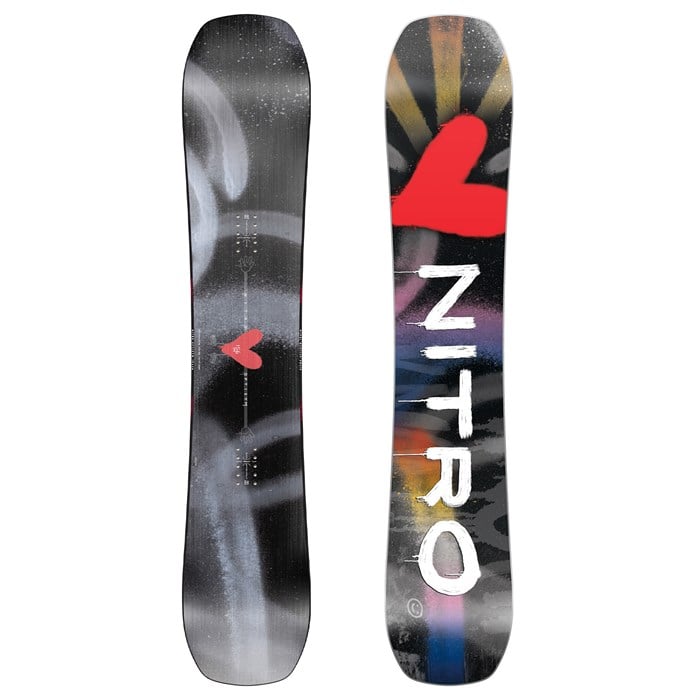
- Flex: Medium (6/10)
- Profile: Cam-Out Camber
- Base: Premium Extruded FH Base
- Shape: Asym Twin
- Extras: Rail Killer Edge, Whiplash Core
More Details
Asym twin, friendly flex, built for park-first resort riding. Nitro runs Cam-Out Camber with early rise at the tips, an asym sidecut that tightens the heel edge, and a Dual Degressive shape that stays smooth when you roll it on edge. The 2026 model moves to a sintered base, so it holds speed better than older Optisyms. Urethane along the heelside wall adds a bit of damping and takes rail knocks without chipping to pieces. Flex is around a medium.
On Snow
I tested this when swapping with my buddy so he could try out my Warpig. It feels easy right away. Heelside sets without the usual wiggle and you can ride centered without babysitting the tail. Presses come around clean and you do not need to muscle the board to butter. There is enough pop to clear small and medium features, but it is not a spine-stiff charger. On firm afternoons the edge hold is decent if you keep the tune tidy. It is not a Magne board, so timing still matters. Keep wax in that sintered base and it glides fine on long runouts.
Who It Suits
Riders who want an asym twin that helps the heel edge without a steep learning curve. Great for progressing park riders, instructors who ride switch a lot and anyone who wants a playful deck that is easier on the wallet than the big-name flagships. Typical retail price sits lower than top-tier twins and it often gets discounted in-season.
Pros
- Cam-Out Camber is forgiving but still pops
- New sintered base carries speed better than past versions
- Urethane heel wall shrugs off rail dings and adds a touch of damping
- Playful flex for switch and presses
- Priced way below other asym twins
Cons
- Edge hold is good but not class-leading
- Not the board for high-speed carving
- Wider sizes can feel slow edge to edge for small boots
Bottom Line
Real value for a board you can actually beat on. It butters, it pops enough and the heel edge feels nice. If you need race-board bite or deep-day float, look elsewhere. If you want a fun daily twin that doesn’t drain the gear budget, this one makes sense.
Comparison Table
| Snowboard | Flex | Profile | Base | Riding Style | Rating | Price |
|---|---|---|---|---|---|---|
| Yes Greats Uninc | 7 | Hybrid (CAMROCK 2-4-2) | Sintered True Base | All-Mountain | 9.3 | $629 |
| Gnu Rider's Choice | 5.5 | C2X Contour (Rocker-Camber-Rocker) | Sintered | All-Mountain Freeride | 9.1 | $619 |
| Gnu Asym Ladies Choice | 6 | C2X Contour (Rocker-Camber-Rocker) | Eco Sintered Base | All-Mountain Freestyle | 9.0 | $559 |
| Ride TwinPig | 5.5 | Twin Standard Camber (Hybrid) | Sintered 4000 | Freestyle / Park | 9.0 | $529 |
| Nitro Optisym | 6 | Cam-Out Camber | Extruded FH Base | Freestyle / Budget | 8.7 | $519 |
Quick Buyer's Guide
Start with your problem, not the marketing
Most riders struggle on the heel edge. I see it every week teaching. If your heelside is the weak link, an asym board can help you roll in cleaner and stay set through the middle of the turn. But… you should also take the time to learn the proper technique. A bad workman blames his tools. Don’t take the easy route out and neglect your underlying bad habits.
If your turns already feel balanced and you live for straight-line speed, you also may not need one.
Length and width
- Stick close to your normal twin length. Do not size way down unless the board is a short-wide design.
- Aim for minimal toe and heel overhang at your binding angles. About a thumb’s width beyond the edge at most.
If your boots are US 11+, look for wider sizes, not a random wide just because it exists.
I recently bumped a student from a regular 155 to the same board in a mid-wide 154. He stopped booting out on heelside and his confidence jumped in two runs.
Profile and flex
Camber between the feet with a little early rise at the tips feels right for most people. Enough bite to carve, enough forgiveness to avoid hooky tips.
Softer flex is easier for presses and low-speed learning. Mid to mid-stiff gives you support for jumps and faster carving.
Asym features that matter
- Heelside sidecut: Slightly tighter on the heel. This is the big one.
- Asym contact points or sidewalls: Subtle, but they help the board settle mid-turn.
Edge tech: Serrations help on scraped hardback, but they can also feel grabby. Personal preference comes into play here.
Park or piste bias
- Park first riders: true twin, medium flex, fast enough base, durable edges.
- All-mountain first: still a twin, but pick a touch more stiffness and a base that holds wax.
Deep snow days: an asym twin works, but a directional shape will be easier when it gets past boot-top.
Setup that actually helps
- Run a centered duck stance to get the full benefit of the shape.
- Keep edges sharp between the inserts. Lightly detune only the very ends if the board feels catchy.
Wax more often than you think. Wide bases and spring slush slow down fast when dry.
Common mistakes
- Going too wide for your boot size. Feels stable in the shop, feels sluggish on snow.
- Expecting miracle grip from a dull edge. No board saves a dead tune.
Buying the stiffest camber version when you mostly ride slow with friends. Get the flex that matches your speed, not your ego.
Who should buy
- Riders who want cleaner heelside turns without changing how their toeside feels.
- Instructors, coaches, or anyone who rides switch a lot.
- Park riders who want a twin that still carves properly between features.
Who should skip
- Speed freaks who only want long, high-speed arcs on firm mornings.
- Powder-first riders who prioritise float. Asymmetrical sidecuts will do nothing for you. Grab a directional powder deck.
Bottom Line
Asym helps when it’s set up right. Pick the flex that matches your speed and run a stance that lets the shape work. The payoff shows up fast on the heel edge and surprisingly (mostly) sticks with you when you switch back to a regular board.
Final Thoughts
Here is where I landed after a season on these boards. Asym works. It takes the wobble out of heelside without making toeside feel strange. It is not a magic trick. If your stance is way off or your technique isn’t quite there, no board is going to save that. But it is a nice helping hand whilst you lock in.
Pick the flex for how you ride. If your day is all-mountain freestyle focused, a mid flex twin like the YES Greats, GNU Rider’s Choice or Ladies Choice feels right. If you like a shorter board for spins and side hits, the TwinPig is a smart call. On a tighter budget, the Nitro Optisym gets you most of the benefit without draining the wallet.
Demo days help. Take two laps on an asym, then hop back on your regular deck. If your heel turns feel worse again, you have your answer. For me the difference showed up fast in clinics and on firm afternoons. Cleaner entry, steadier through the middle of the turn, less leg burn by last chair. That is the whole point. Ride more, fight less.
Now check out the best all mountain snowboards of the season.
Asymmetrical Snowboard FAQs
- Going too wide for your boot size which slows edge changes
- Expecting miracle grip from a dull edge
- Setting a big setback on a true twin and wondering why it feels off
- Buying the stiffest version when you mostly ride slow with friends
- Expecting asym boards to correct lazy technique - you still need to lock in!
