
Waxing a snowboard is one of those things everyone knows they should do, but most riders put off. You ride a few days, it still slides, so you figure it’s fine. Then one day you’re crawling across a flat cat track while your buddy rides away without even trying. That’s when it hits you: your board is bone dry.
So how do you actually know when your snowboard needs wax? It’s not just about speed. A dry base affects how your board handles and over time it shortens its lifespan. The good news is the signs are easy to spot once you know what to look for.
Dry Patches on the Base
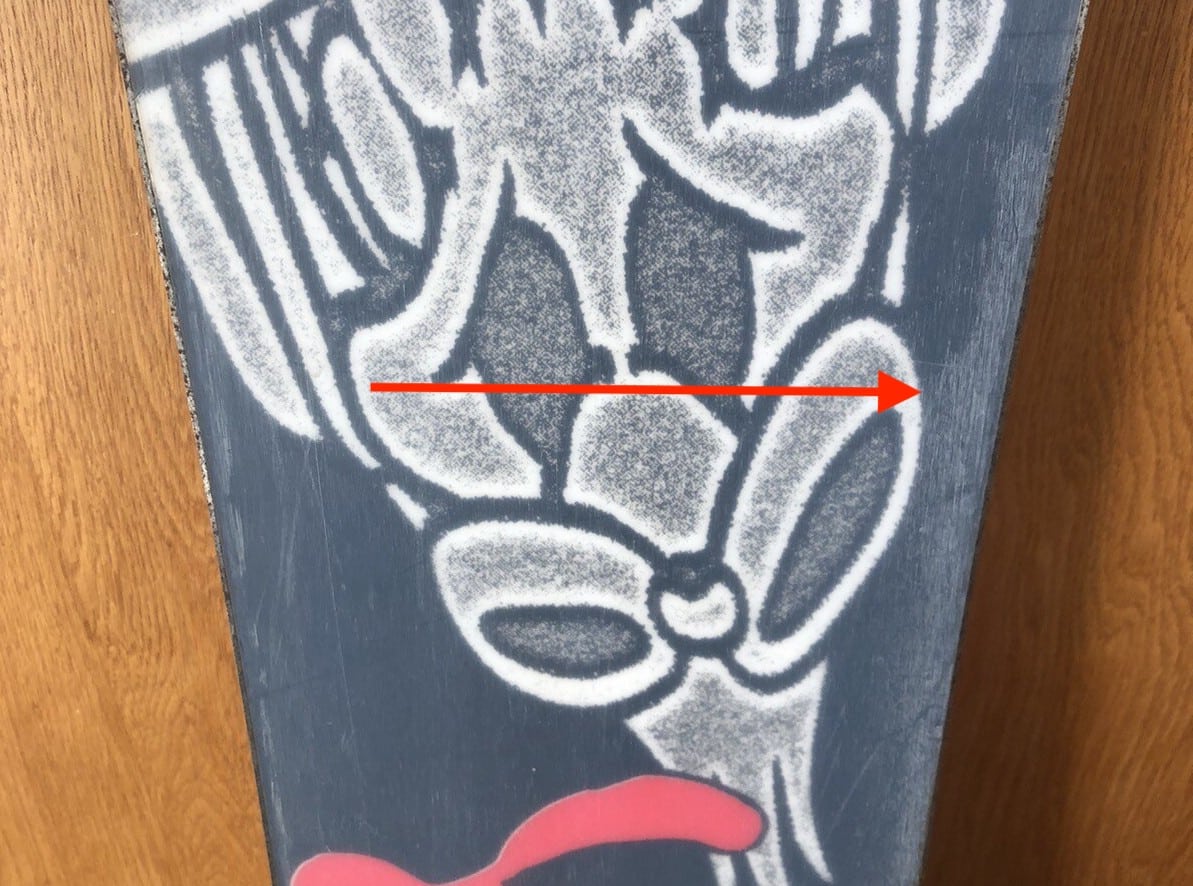
Flip your board over. If the base looks white or chalky in spots, it’s thirsty. That’s the base drying out where the wax has worn off. It usually shows up near the edges or underfoot where the board takes the most pressure.
A healthy base looks dark and smooth. A dry base looks faded, almost like someone rubbed it with sandpaper. Once you see that, it’s definitely time for a hot wax.
Sluggish on Flats
The on-snow test is just as clear. If you’re getting left behind on cat tracks or you have to skate to keep up, your base is dry. Snowboards with fresh wax glide. Snowboards without it drag.
I’ve had days where my students were cruising past me on rentals while I was pumping just to keep moving. Rentals. That’s how badly a board can slow down when it’s overdue for wax.
Sticky in Warm Snow
In spring conditions, a dry base feels grabby. Instead of slicing through slush, it sticks. You’ll feel it especially on mellow run-outs where the board suddenly slows down. Wax helps shed water and keeps you moving. Without it, you’re basically riding Velcro.
In this situation, you may also need a warm-weather wax.
Edges Are Fine but It Still Feels Slow
Sometimes people mistake dull edges for a slow board, but the two aren’t the same. Dull edges make it harder to hold a carve. A dry base makes you feel like you’re riding with the brakes on.
If you’ve just had your edges tuned and the board still feels sluggish, that’s a clear sign it’s a wax issue.
Other Signs Your Snowboard Needs Wax:
1. Squeaky base
Definitely a thing. On cold, dry snow an unwaxed base can squeak because it’s dragging instead of gliding. I’ve heard it plenty on hardpack days. Not the most scientific test, but riders notice it.
2. Fingernail drag test
A legit old shop trick. If your nail glides smooth, there’s wax. If it feels rough and powdery, it’s dry. You should also be able to scrape a little bit of wax off with minimal effort.
3. Touch test
Works, but only if you’ve felt both fresh wax and a dry base before. A waxed base feels slick, sometimes almost oily. A dry base feels like bare plastic.
4. Static cling
This one’s more niche but true. In really dry, cold conditions, a dry base can grab snow crystals instead of gliding. Not something you’ll notice every trip, but it happens.
How Often Should You Wax?
This is the million-dollar question, and like most things in snowboarding, the answer is “it depends.”
Powder riders: every 5–10 days on snow, sometimes less
Icy hardpack riders: every 2–4 days, since abrasive snow strips wax fast
Park laps: depends on conditions, but the constant sliding can dry out bases quickly
Casual weekend riders: a couple of times a season might be enough
I used to hot wax my board every other week when I was teaching daily. Now I’ll stretch it out if I’m only riding weekends, but I still keep an eye on the base. The real trick is watching for those dry spots and sluggish runs instead of counting days.
Quick Fixes vs Hot Wax
Factory waxes and rub-on sticks can get you by for a day or two, but they don’t last. A proper hot wax with a snowboard iron is the only way to really saturate the base.
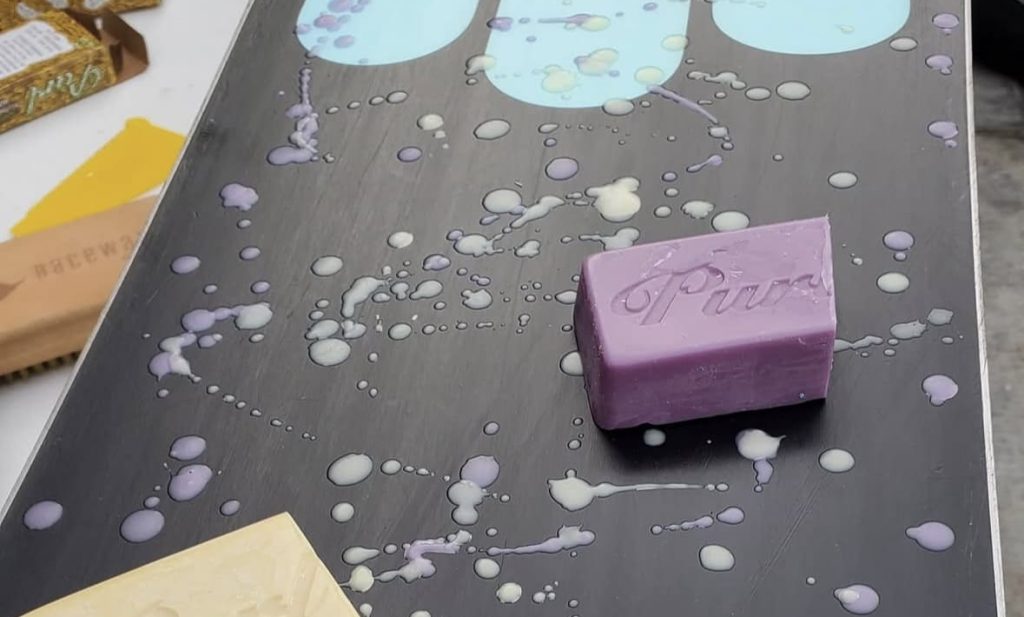
If you’re riding a lot, learning to wax at home is a no-brainer. It’s cheaper, faster and keeps your board in way better shape. Plus, you can pick the right wax for the conditions instead of whatever generic block the shop slaps on. Hertel Hotsauce or Purl Wax are great places to start if you’re unsure.
Why Wax Matters for the Long Run
My Own Misadventures
I used to ignore waxing until my board felt like crap on flat runs. Now I know better. A quick check before each trip saves me the headache. If it looks white, feels sticky, or drags on mellow terrain, I throw it on the bench and wax it. Takes me half an hour and makes a night-and-day difference.
I also suggest a maximum of 3-4 days between waxes to my students these days. They moan about it, but their riding and progression definitely gets a nice boost.
Final Thoughts
The easiest way to tell if your snowboard needs wax is to look for white, dry patches on the base and notice if your board feels slow or sticky on snow. A healthy base looks dark and smooth and glides without effort. If your board looks faded, squeaks when rubbed, or drags on flats, it’s time for a hot wax. Waxing often keeps your board fast and also protects the base so it lasts longer.
