Most park snowboard lists are written by people who either ride way better than you or barely ride park at all. Neither is helpful. I’ve spent years riding park, teaching freestyle and watching what actually works for real riders.
These are boards I’d happily put under someone learning park, progressing, or riding park as their main thing. They’re predictable, tough enough to take abuse and don’t punish you every time you’re slightly off. If you want the best park board that’ll help you progress instead of hold you back, start here.
🏆 Editor’s Pick
The CAPiTA DOA is my safest park snowboard recommendation. It’s poppy, predictable and feels right for most riders doing real park laps. It’s happy on jumps, still fun on rails and doesn’t feel like a one-trick board. If you want one park board that just works, start here.
Also available on Backcountry.
Top 3 Park Snowboards
Park Snowboard Reviews (2026)
I tested almost 50 park boards this season. Tough job, but someone’s gotta do it. These are the ones that stood out. Pick the one that fits how you actually ride.
1. CAPiTA DOA Best Overall
- Profile: Hybrid camber (camber dominant)
- Flex: Medium (lively but not scary)
- Shape: True twin
- Ride feel: Pop + stability, lands clean, feels predictable
- Best for: Park riders who still ride the whole resort
Also available on Backcountry
Specifications
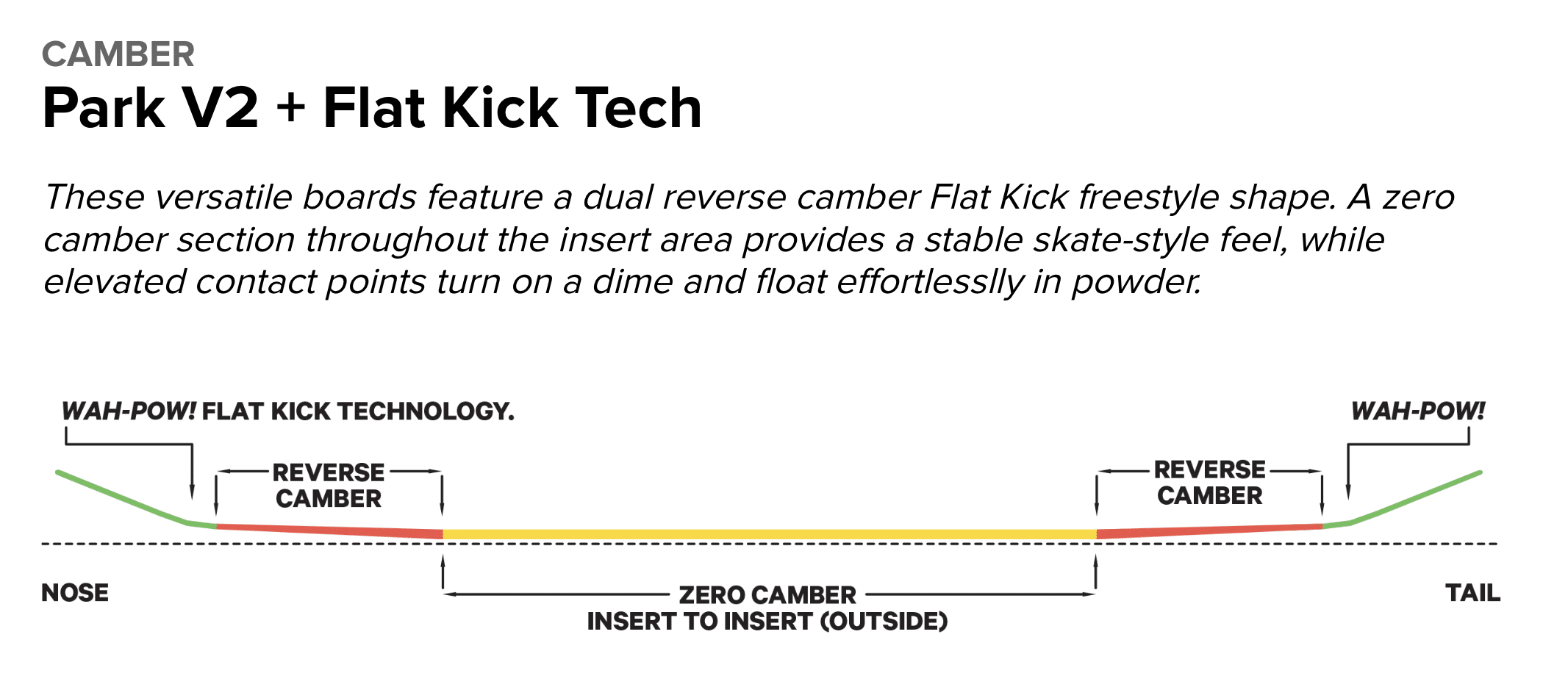
True twin with a medium flex that sits right in the park sweet spot. Resort V1 camber profile with camber through the inserts and subtle rocker at the contact points. Enough camber to load pop properly, but forgiving enough that it does not feel grabby on presses or sketchy takeoffs.
Blended biax and triax fiberglass gives it a lively but predictable flex pattern. Lightweight poplar core reinforced with carbon and Kevlar stringers to keep snap without adding stiffness. Fast sintered base that stays quick as long as you keep it waxed. Flex feels about a 5 to 6 out of 10. Centered stance, true twin geometry and a sidecut that feels quick edge to edge without being twitchy. Runs true to size. I ride my normal length for park and full resort laps.
On Snow
1. Edge Hold & Approach
This is where the DOA quietly separates itself from pure park noodles. Traditional camber underfoot gives you real edge engagement on approaches and landings without feeling catchy. It tracks predictably into jumps and holds a line on firm park laps better than most “fun” twins.
2. Pop, Ollies & Takeoffs
The pop is immediate and clean. Not springy in a weird carbon way, just classic camber snap. Ollies feel natural, timing is easy and you do not have to load it aggressively to get lift. This is why it works for riders who want to progress jump size without relearning their timing.
3. Jibs & Presses
It is not the softest jib board here, but it presses cleanly once you commit. The flex has enough backbone that sloppy technique shows, which I actually like for park progression. It teaches you to be deliberate instead of lazy.
4. Jumps & Speed
This is where the DOA earns its reputation. It stays composed on medium to large jumps and does not fold when you come up short. It’s not a competition missile, but it is stable enough that you will not outgrow it.
5. Powder & All-Mountain
It is a true twin, so let’s be honest. It floats fine for a park board if you set it back a touch, but this is not what you grab for storm riding. That said, it is one of the better “park boards you can ride everywhere” without hating life.
Verdict
The DOA is an all-mountain freestyle board that just happens to be excellent in the park. I like my park boards with a bit of backbone and my all-mountain boards slightly directional. The DOA lands right in that sweet spot. If you want one board that makes park riding better without limiting the rest of your day, this is still the safest recommendation.
Pros
- Camber gives edge hold and pop
- Stable enough for jumps and faster park laps
- Predictable flex that supports progression
- Feels good outside the park too
- Quality base that holds speed
Cons
- Not the softest option for pure jib riders
- Less forgiving than rocker-heavy park boards
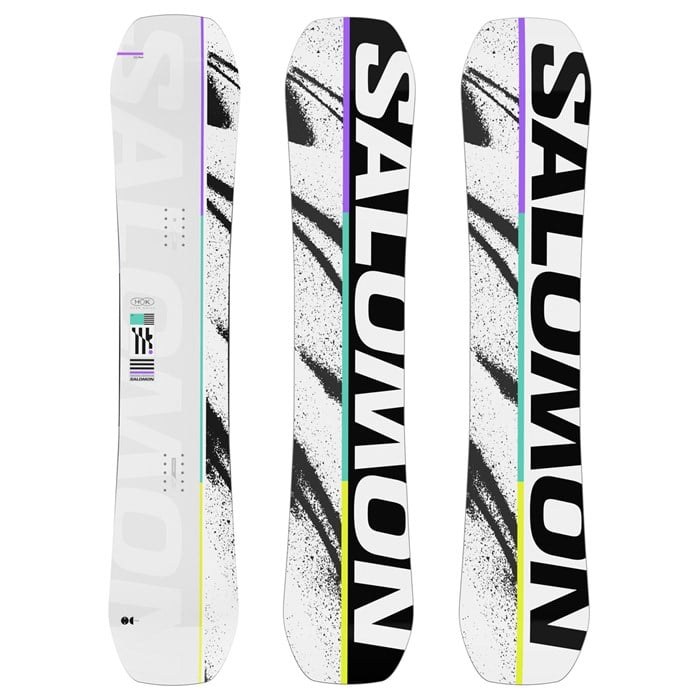
2. Salomon Huck Knife Legendary Park Board
- Profile: Quad camber
- Flex: Medium (snappy and controlled)
- Shape: True twin
- Ride feel: Locked-in and poppy, loves jump takeoffs
- Best for: Park laps, jump lines, and fast progression
Also available on Backcountry
Specifications
True twin park-focused board with a medium flex and a more locked-in feel than the DOA. Quad camber profile with camber sections under and outside the bindings and flat zones between the feet. Despite the name, it rides closer to traditional camber than a loose hybrid. Biax fiberglass keeps it predictable on rails while carbon popsters add snap underfoot.
Aspen wood core with rubber pads for vibration damping. Sintered base that stays fast on jump run-ins. Flex sits around 5 to 6 out of 10, slightly firmer torsionally than the DOA. True twin shape with a centered stance and a sidecut that feels stable at speed. Runs true to size. I would not size down on this one unless you are very park-only.
On Snow
1. Edge Hold & Approach
Salomon’s camber zones give you grip underfoot without that locked-in camber bite that can punish sketchy approaches. It feels predictable rolling into features, especially on icy park mornings.
2. Pop, Ollies & Takeoffs
The Huck Knife has a very snappy, energetic pop. It rewards proper loading and timing, and it rebounds fast. Compared to the DOA, it feels a touch more lively and less damp, which some riders prefer for park-only riding.
3. Jibs & Presses
This board shines here. Presses are easy to lock in and forgiving when you’re slightly off balance. It feels playful without being dead. If your park riding leans more rails and creative lines than jump lines, this will feel natural quickly.
4. Jumps & Speed
Stable enough for medium to large jumps, but it does start to feel less composed once speeds climb or landings get messy. It is not designed to be a charger. Think smooth, controlled park riding rather than full send.
5. Powder & All-Mountain
Like most true park twins, it is fine for a bit of fresh and that’s about it. It is happier staying on groomers, park laps and side hits than wandering too far off piste.
Verdict
The Huck Knife is a proper park board in the classic sense. Light, playful, forgiving and fun. It is not trying to be everything and that’s the appeal. If park laps are the priority and you want something that feels friendly without being boring, this is one of the best park boards around.
Pros
- Explosive pop off the tail
- Stable through jump approaches and landings
- Camber profile gives clear feedback and control
- Punchy without being overly stiff
Cons
- Less forgiving if you’re brand-new to jumps
- Can feel a touch twitchy between features
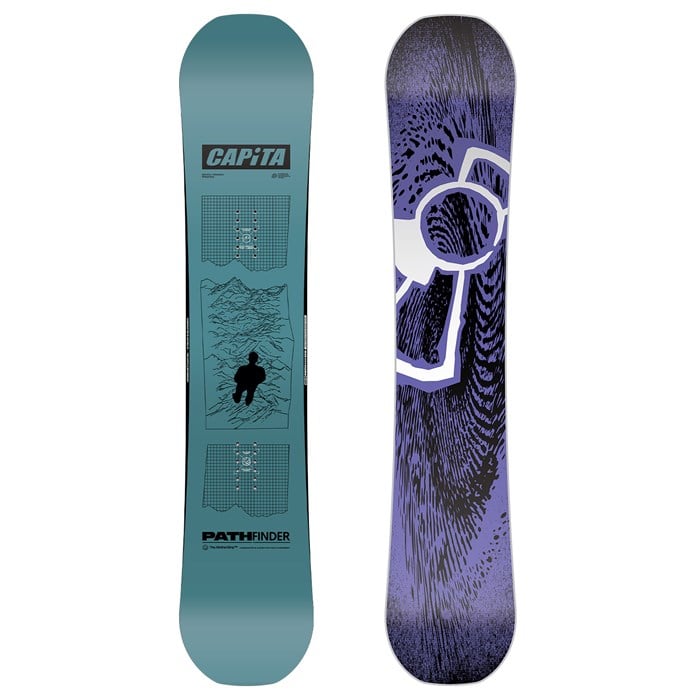
3. CAPiTA Pathfinder Value Pick
- Profile: Flat to rocker
- Flex: Soft to medium (forgiving)
- Shape: True twin
- Ride feel: Easy to press, less catchy, confidence-friendly
- Best for: Budget park riding and learning tricks
Also available on Amazon
Specifications
True twin park board with a softer, more forgiving flex aimed at progression. Flat profile between the feet with rocker in the tips. No camber underfoot, which makes it very catch-free and easy to press. Biax fiberglass keeps the ride mellow and predictable. FSC certified poplar core without extra carbon or reinforcement, which is why it feels softer and more playful. Superdrive FX base which sits between extruded and sintered. It is not the fastest base on the list, but it is tough and easy to live with.
Flex feels around a 4 out of 10. True twin geometry with a centered stance. Runs true to size, though lighter riders can size down a touch for jib focus.
On Snow
1. Edge Hold & Approach
Flat-to-rocker makes this very forgiving on approach. It doesn’t punish lazy edge control, which is great for riders still figuring out park basics. Grip is fine for normal park conditions, but not exceptional on ice.
2. Pop, Ollies & Takeoffs
Pop is mellow but predictable. You’re not getting explosive camber snap, but timing is easy and consistent. For learning ollies, 180s and small jumps, it does exactly what you want.
3. Jibs & Presses
This is where the Pathfinder earns its keep. Soft flex, easy presses, forgiving landings. You can make mistakes without the board biting back. It encourages experimentation, which matters early on.
4. Jumps & Speed
This is not a jump board. Small to medium features are fine, but once speeds increase it starts to feel loose. That’s the trade-off for the forgiving feel.
5. Powder & All-Mountain
Surprisingly okay for mellow riding, but still a park-first board. Fine for cruising and side hits, not something you take seriously into deeper snow.
Verdict
The Pathfinder is about accessibility. It gets people into park riding without intimidation or a big price tag. You will outgrow it eventually, but by then it has done its job. For the money, it’s hard to fault.
Pros
- Really forgiving and easy to ride
- Soft-to-medium flex helps with presses and boxes
- Very approachable for riders new to park
- Great value compared to pricier park boards
Cons
- Not as poppy or aggressive as premium boards
- Less stable at higher speeds
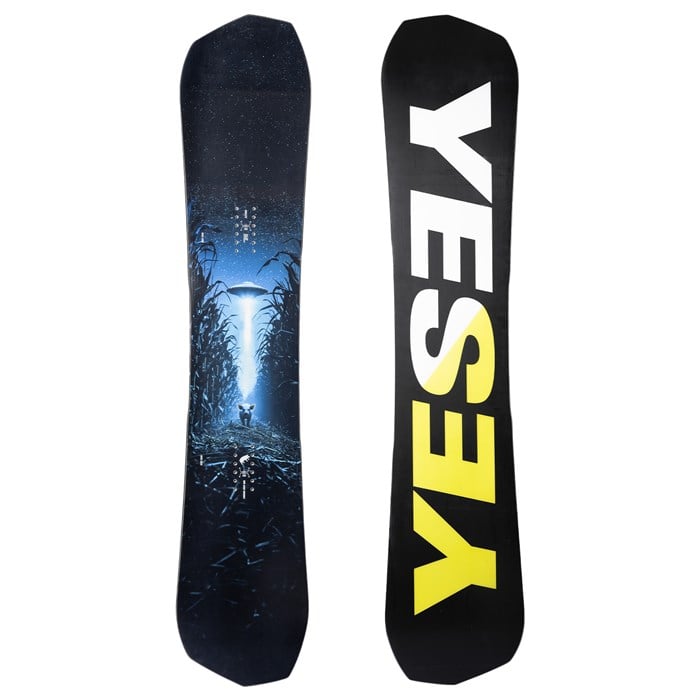
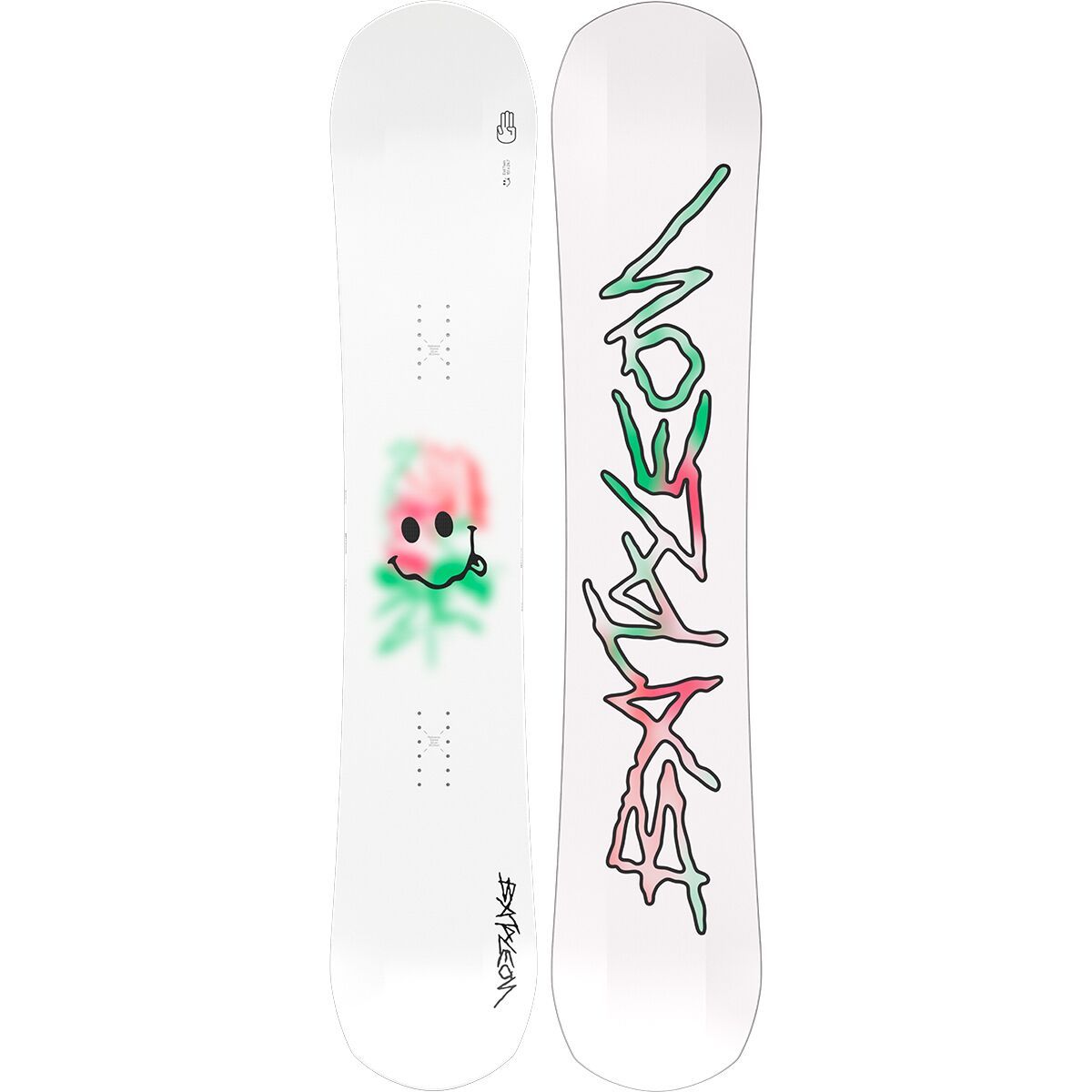
4. Yes Greats Uninc Best Asym Park Board
- Profile: CamRock (camber with rocker tips)
- Flex: Medium
- Shape: Asym twin
- Ride feel: Quick edge changes, super controlled switch, poppy off lips
- Best for: Park plus carving and all mountain laps
Also available on Amazon
Specifications
Asymmetrical true twin with a medium-stiff feel compared to most park boards. Asym MidBite sidecut for stronger heelside engagement and cleaner carves. CamRock profile with camber underfoot and rocker at the tips. Triax glass with carbon for snap and rebound. Poplar and paulownia core with bamboo stringers keeps it lively without feeling harsh.
Sintered base that stays quick when waxed regularly. Flex reads about a 6 to 7 out of 10, firmer than a pure park deck but still pressable if you know what you are doing. True twin shape so switch feels natural. I ride my regular length for park and side hits and size up one if I want more speed and carve power. Do not go too big or it loses its playful feel.
On Snow
1. Edge Hold & Approach
The asym sidecut is not a gimmick. Heelside engagement feels noticeably cleaner, especially on firm snow. Approaches into jumps feel locked without feeling twitchy, which is rare for a true twin with this much personality.
2. Pop, Ollies & Takeoffs
Pop is strong but controlled. It doesn’t snap you into the air unexpectedly. You have to load it properly, but when you do it responds with confidence. Feels more deliberate than playful, which advanced park riders usually appreciate.
3. Jibs & Presses
This is not a noodle. Presses take effort and intention. You can still butter it, but it rewards good technique rather than bailing you out. For riders past the beginner park stage, that’s a good thing.
4. Jumps & Speed
Very composed for a twin. Handles speed and bigger jump lines better than most park-leaning boards. It stays calm on sketchy landings and tracks predictably through choppy run-ins.
5. Powder & All-Mountain
Still a twin, but one of the better ones when you leave the park. Set it back slightly and it handles soft snow fine. Not a pow board, but absolutely rideable on storm days if you are realistic.
Verdict
The Greats is for riders who want a park-capable board that doesn’t fall apart once speeds increase. Strong edge hold, solid pop and a confident feel that rewards clean riding. If you like carving between park laps, this makes a lot of sense.
Pros
- Asym shape genuinely improves balance and control
- Consistent pop switch and regular
- Stable through takeoffs and landings
- Feels intuitive once you get moving
Cons
- Not ideal for total park beginners
- Asym feel takes a lap or two to click
5. CAPiTA Super DOA Premium Pick
- Profile: Camber dominant (fast and precise)
- Flex: Medium stiff
- Shape: True twin
- Ride feel: Light, snappy, very stable on bigger takeoffs
- Best for: Riders who want a premium park board that can charge
Also available on Backcountry
Specifications
True twin built as a more aggressive version of the standard DOA. Resort V1 camber profile with deeper camber sections and minimal rocker at the contact points. Triax fiberglass throughout with additional carbon and aramid reinforcement for snap and stability. Ultra-lightweight core with higher density inserts underfoot. Fast sintered base that holds speed extremely well on big jump lines.
Flex feels closer to a 7 out of 10, noticeably stiffer than the regular DOA. Centered stance and a sidecut that stays composed at speed. Runs true to size, but this board rewards strong riders. I ride my normal length, but it feels best when ridden with intent. Not a beginner park board, but excellent for experienced riders who want precision.
On Snow
1. Edge Hold & Approach
Feels sharper and more precise than the standard DOA. Edge engagement is immediate and confidence-inspiring, especially at speed. It demands attention but rewards commitment.
2. Pop, Ollies & Takeoffs
This thing launches. Pop is powerful and fast, bordering on explosive. If you are used to softer boards, it will feel like it wants to jump before you do. Once you are dialed, it is addictive.
3. Jibs & Presses
Not forgiving. At all. Presses require strength and accuracy. Sloppy technique gets punished quickly. This is not a learning board and it does not pretend to be.
4. Jumps & Speed
This is where it freaking shines. Big jump lines, high speeds, hard landings. It stays composed and damp without feeling dead. Easily the most confidence-inspiring board here for advanced park riding.
5. Powder & All-Mountain
Still a true twin, still camber dominant. It can handle soft snow fine, but that is not the point. This board wants speed, airtime and firm takeoffs.
Verdict
If it wasn’t for the price tag, I’d rank this higher. I had an unbelievably fun time on this deck. But the Super DOA is for riders who already know what they’re doing. It’s not friendly, but it is extremely capable. If park progression for you means going bigger rather than just messing around, this is worth the money.
Pros
- Insanely light and responsive
- Explosive pop for jumps
- Very stable at speed
- Premium feel through every turn
Cons
- Unforgiving if your technique is sloppy
- Overkill for casual park riders
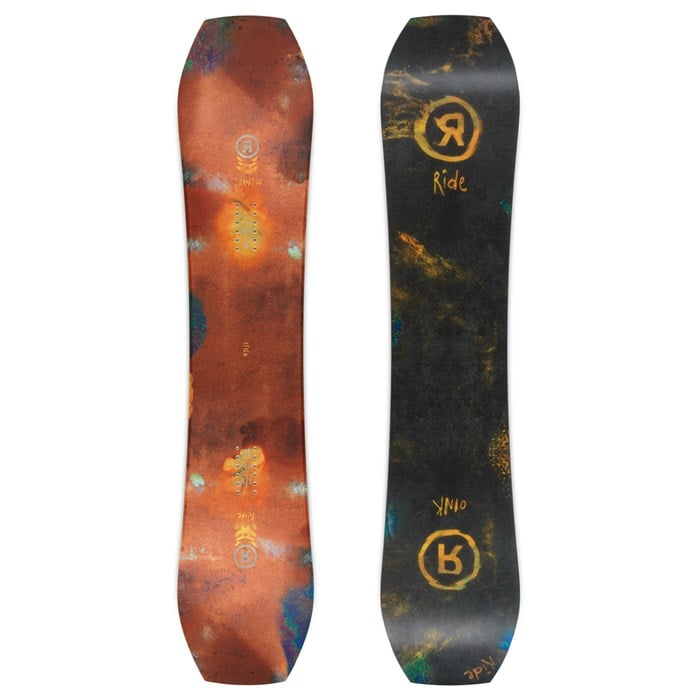
6. Ride Twinpig Best Volume-Shifted
- Profile: Hybrid rocker (camber between the feet)
- Flex: Medium
- Shape: Volume shifted twin
- Ride feel: Stable and floaty, still spins quick for park
- Best for: Riders who like a shorter board that can do everything
Also available on Amazon
Specifications
True twin, volume-shifted park board designed to be ridden shorter than normal. Flat-to-rocker profile with a flat section between the feet and rocker in the nose and tail. The lack of camber keeps it loose and press-friendly, while the added width gives it stability on landings. Biax fiberglass keeps the flex playful and forgiving. Performance core blend with aspen, bamboo and paulownia balances strength and weight. Sintered base that carries speed better than you would expect for a shorter board.
Flex sits around a 5 out of 10, though it feels softer torsionally due to the width. Centered stance, wide waist and short effective edge. Ride this 3–6 cm shorter than your normal park board. Size it too long and you miss the whole point.
On Snow
1. Edge Hold & Approach
Despite the width, edge-to-edge response is quicker than you expect. The shorter length makes approaches feel compact and controlled, especially on tighter park features.
2. Pop, Ollies & Takeoffs
Pop is more playful than explosive. It loads easily and releases smoothly, which makes timing forgiving. Great for riders who like a loose, skate-inspired feel rather than a locked-in camber snap.
3. Jibs & Presses
This is where the Twinpig excels. Presses are easy, buttering feels natural and it forgives mistakes better than most boards this wide. It encourages messing around and getting creative. Does take a little bit of muscle but nothing crazy.
4. Jumps & Speed
Stable enough for medium jumps, but not a big-line charger. At higher speeds it starts to feel loose compared to longer or stiffer twins. That’s the trade-off for the playful feel.
5. Powder & All-Mountain
The width helps a lot in soft snow. It is not a powder board, but it floats noticeably better than most park twins. Great for riders who want one board for park laps and surprise storm days.
Verdict
Much like it’s older brother (the Warpig), the Twinpig is about fun. It is loose, forgiving and playful without feeling cheap. If you like a shorter board that feels skatey underfoot and doesn’t punish creativity, this is an easy recommendation.
Pros
- Super stable on landings
- Wide platform inspires confidence
- Playful despite the size
- Great for riders who overshoot jumps
Cons
- Needs correct downsizing to feel right
- Not a classic narrow park feel
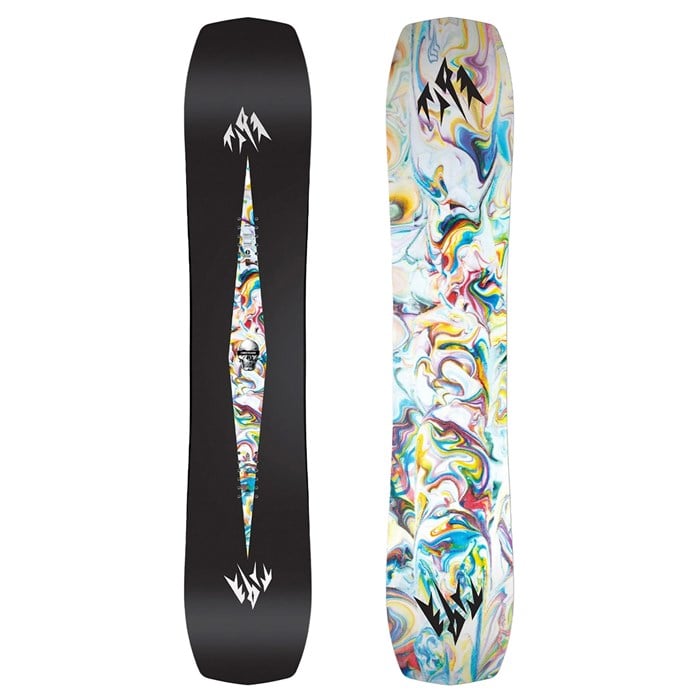
7. Jones Mind Expander Twin Surfy Freestyle Pick
- Profile: Directional camber leaning (surfy, smooth)
- Flex: Medium
- Shape: Twin-ish freeride freestyle
- Ride feel: Loose and floaty, fun on side hits, still lands switch fine
- Best for: Creative freestyle with powder and sidecountry vibes
Also available on Amazon
Specifications
True twin adaptation of the infamous Mind Expander concept, aimed at riders who want freestyle performance without giving up float. Directionally-inspired twin shape with a blunted nose and tail, but an essentially symmetrical geometry for switch riding. Surf Camber profile with camber underfoot and rocker in the tips.
Biax fiberglass keeps it smooth and forgiving, with carbon stringers for snap. Sustainable wood core with flax reinforcement for damping. Fast sintered base that glides well in soft snow and carries speed on run-ins. Flex sits around a 5 to 6 out of 10. Centered stance options with a slightly longer nose feel. Runs true to size. I ride my regular length, but it feels especially good sized normally rather than downsized, unlike many park twins.
On Snow
1. Edge Hold & Approach
Edge hold is solid but not aggressive. It feels smoother and more surfy on approach compared to traditional park twins. Best when you are riding with flow rather than attacking features at full speed.
2. Pop, Ollies & Takeoffs
Pop is there, but it is more floaty than snappy. You can ollie cleanly, but it does not have the sharp, immediate rebound of camber-dominant park boards. Takeoffs feel predictable rather than punchy.
3. Jibs & Presses
Presses easily thanks to the rocker and softer nose and tail zones. It is forgiving on rails and boxes and does not feel catchy when you are off balance. More about style than precision.
4. Jumps & Speed
Medium jumps are fine. Bigger lines start to feel vague compared to stiffer twins. This board prefers smooth riding over charging.
5. Powder & All-Mountain
This is where it stands apart. It floats better than almost any park-capable twin. Storm days with park laps mixed in are genuinely fun instead of exhausting. Feels like surfing the mountain. It’s fun.
Verdict
The Mind Expander Twin is not really a “park snowboard”, it’s more of a surfy freestyle hybrid. It’s capable in the park but excels in taking freestyle riding to the whole mountain. I had a tone of fun on this bad boy, so had to include it. If you ride park but hate switching boards on powder days, this fills that gap better than anything else here.
Pros
- Excellent float for a twin
- Forgiving and smooth feel
- Easy presses and butters
- Great crossover board
Cons
- Lacks explosive pop
- Not ideal for big jump lines
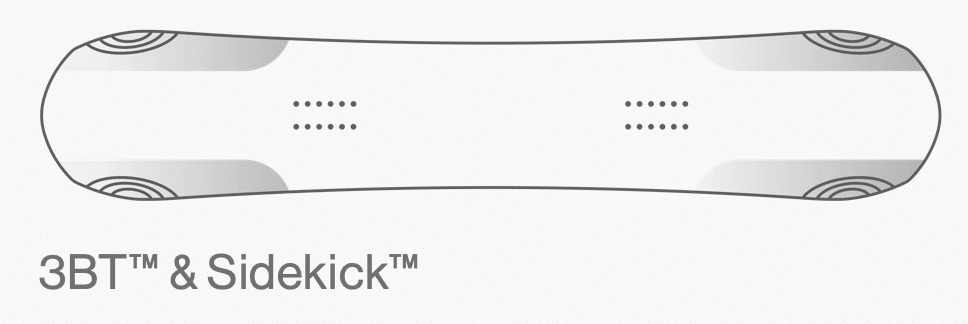
8. Bataleon Evil Twin Best 3BT Pick
- Profile: Camber with 3BT uplift
- Flex: Medium
- Shape: True twin
- Ride feel: Catch free, forgiving on rails, surprisingly stable on landings
- Best for: Jibs, park laps, and riders who want an easier board at speed
Also available on Backcountry
Specifications
True twin with Bataleon’s Triple Base Technology. Medium flex aimed squarely at freestyle and park riding. Traditional camber between the feet combined with uplifted sidebases in the nose and tail. The 3BT design reduces edge catches on rails and butters while still keeping solid grip when the board is flat. Biax fiberglass keeps it playful, with carbon stringers adding pop without stiffness.
Lightweight wood core with shock-absorbing inserts. Fast sintered base that stays quick through the park. Flex feels around a 5 out of 10. Centered stance and twin geometry make switch riding effortless. Runs true to size. I ride my regular length for park laps and side hits.
On Snow
1. Edge Hold & Approach
The lifted contact points noticeably reduce catchiness. Approaches feel loose and forgiving rather than locked-in. This can feel strange at first, but it builds confidence quickly.
2. Pop, Ollies & Takeoffs
Pop is relatively mellow but consistent. You do not get the most aggressive snap, but you get predictable lift. It works well for riders who value control over raw power. There is a “plus” version which is stiffer, but I found this didn’t quite suit the surfy base and style of the board.
3. Jibs & Presses
This is the Evil Twin’s home turf. Presses are easy, boardslides feel smooth and sketchy moments rarely turn into slams. It makes park riding less punishing.
4. Jumps & Speed
Medium jumps are fine. At higher speeds it starts to feel loose, especially compared to stiffer, camber-heavy boards. Landings are forgiving but not stomp-focused.
5. Powder & All-Mountain
Better than expected in soft snow thanks to the base shaping, but still very much a park-first board.
Verdict
The Evil Twin is about making park riding easier and more fun. It might not push advanced riders technically, but it keeps things playful and forgiving. Great for progression, jib-heavy riding and relaxed park days.
Pros
- Very forgiving edge feel
- Easy presses and jibs
- Reduces catch-related slams
- Confidence-boosting ride
Cons
- Loose feel at speed
- Not very poppy
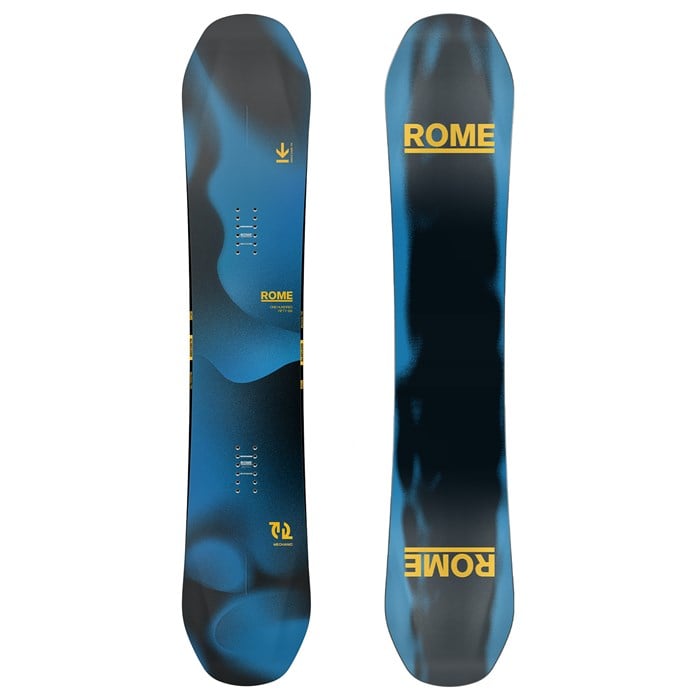
9. Rome Mechanic Best Beginner's Pick
- Profile: Rocker leaning (easy, forgiving)
- Flex: Soft to medium
- Shape: Twin
- Ride feel: Super easy to press, forgiving on sketchy landings
- Best for: First park board, first boxes, first 180s
Specifications
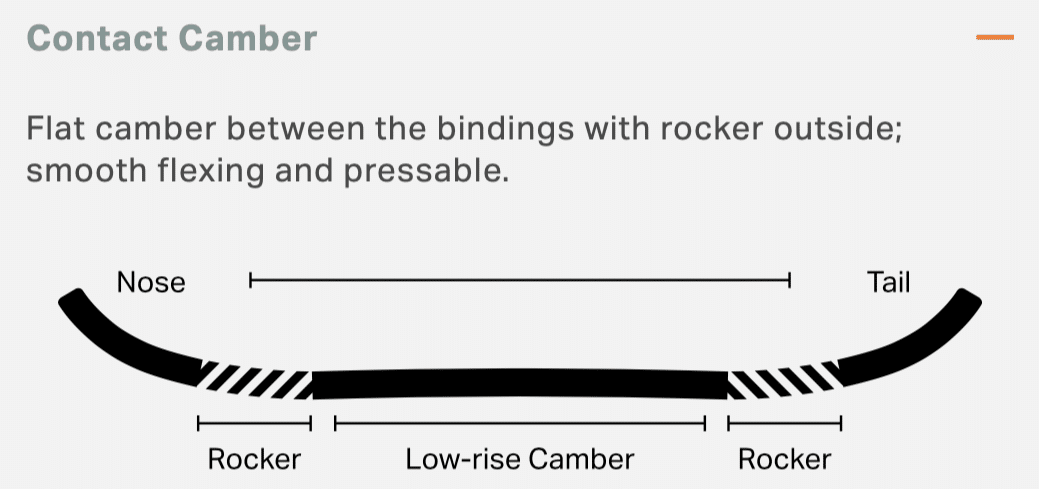
True twin freestyle board built for learning park fundamentals. Contact rocker profile with gentle camber between the feet and rocker out toward the contact points. This makes it very forgiving and harder to catch an edge. Biax fiberglass gives it a soft, predictable flex. Poplar wood core keeps cost down and durability high.
Extruded base that is slower than sintered but tough and easy to repair. Flex sits around a 3 to 4 out of 10. Centered stance, symmetrical shape and easy turn initiation. Runs true to size, though beginners can size down slightly for easier control. This board prioritizes confidence over performance.
On Snow
1. Edge Hold & Approach
Nice and mellow. Easy to roll edge to edge and forgiving on approach. It does not demand precision, which is exactly what newer park riders need.
2. Pop, Ollies & Takeoffs
Pop is fairly modest but very accessible. You don’t have to work hard to get off the ground. Ideal for learning ollies and jumps.
3. Jibs & Presses
Extremely forgiving. Presses come easily and mistakes are rarely punished. This board lets riders focus on learning rather than surviving.
4. Jumps & Speed
More limited. It’s not built for top speed or large features. Once you start riding faster or jumping bigger, you might outgrow it.
5. Powder & All-Mountain
Serviceable in soft snow but clearly a park-first board.
Verdict
The Mechanic is a genuine learning tool. It’s not as exciting or powerful, but it makes park progression smoother and way less intimidating. Perfect first park board, maybe not a long-term weapon. Also featured in our best beginner snowboards of 2026. Kudos Rome.
Pros
- Very forgiving
- Easy to press and jib
- Great for learning park basics
- Affordable entry point
Cons
- Outgrown quickly
- Lacks stability at speed
10. CAPiTA Birds of a Feather Women's Freestyle Pick
- Profile: Camber dominant (stable and poppy)
- Flex: Medium
- Shape: Twin
- Ride feel: Predictable edge hold, great pop, feels stable without being a plank
- Best for: Women who want a proper park board that still rides the whole mountain
Also available on Backcountry
Specifications
Women’s-specific true twin built as the female counterpart to the DOA. Medium flex tuned for lighter riders. Resort V1 camber profile with camber through the inserts and mild rocker at the contact points. Biax and triax fiberglass blend gives it pop without feeling overpowering. FSC-certified wood core with carbon reinforcement for snap and durability.
Fast sintered base that holds speed through jump lines. Flex feels around a 5 out of 10 relative to women’s boards. Centered stance and true twin geometry for park and switch riding. Runs true to size within women’s sizing. I recommend sticking to the weight range rather than sizing up for stability.
On Snow
1. Edge Hold & Approach
Clean and confident. It feels precise without being demanding. Approaches into jumps feel controlled and predictable.
2. Pop, Ollies & Takeoffs
Strong, usable pop. It responds well without feeling twitchy. Easy to load and release, which helps consistency.
3. Jibs & Presses
Balanced. It is forgiving enough for progression but still supportive when riding with intent. Presses are achievable without feeling floppy.
4. Jumps & Speed
Very solid for a park-focused board. Handles speed and landings confidently without feeling stiff.
5. Powder & All-Mountain
Decent float for a twin. Not a powder board, but perfectly rideable on softer days. Extremely all-mountain capable, much more so than most dedicated park snowboards.
Verdict
The Birds of a Feather is a legit park board, not a downsized afterthought. If you want a women’s park twin that can handle real riding and real progression, this is one of the safest bets out there.
Update: Jess (my co-founder and fellow instructor) has just ranked this her best all-mountain freestyle snowboard for the third year running. And she knows her stuff!
Pros
- Balanced flex and pop
- Stable on jumps
- Not overly demanding
- High-quality construction
Cons
- Not a jib noodle
- Premium price
Comparison Table
| Snowboard | Flex | Profile | Base | Shape | Style | Score | Price |
|---|---|---|---|---|---|---|---|
| CAPiTA DOA | 5.5/10 | Camber / Rocker Tips | Sintered | True Twin | Park / All-Mountain Freestyle | 4.8/5 | $549 |
| Salomon Huck Knife | 6/10 | Camber (Quad Camber) | Sintered | True Twin | Park Staple | 4.7/5 | $549 |
| CAPiTA Pathfinder | 4/10 | Flat / Rocker Tips | Sintruded | True Twin | Park / Budget | 4.6/5 | $399 |
| YES Greats | 7/10 | CamRock | Sintered | Asym True Twin | Asym Park / All-Mountain Twin | 4.8/5 | $599 |
| CAPiTA Super DOA | 7/10 | Camber / Rocker Tips | Sintered (Fast) | True Twin | Premium Park | 4.8/5 | $649 |
| Ride Twinpig | 5/10 | Hybrid Rocker | Sintered | Volume-Shift Twin | Playful Park / Volume Shift | 4.7/5 | $549 |
| Jones Mind Expander Twin | 6/10 | Rocker Dominant + Camber | Sintered | Directional Twin | Powder-Friendly Freestyle | 4.6/5 | $599 |
| Bataleon Evil Twin | 5/10 | Camber (3BT) | Sintered | True Twin | Jib / Forgiving Park | 4.6/5 | $549 |
| Rome Mechanic | 3.5/10 | Contact Rocker | Extruded | True Twin | Beginner Park | 4.5/5 | $349 |
| CAPiTA Birds of a Feather (W) | 5.5/10 | Camber / Rocker Tips | Sintered | True Twin | Women’s Park / All-Mtn Freestyle | 4.7/5 | $549 |
Park Snowboard Buying Guide
I’ve taught a lot of freestyle lessons. I’ve also watched a lot of people struggle in the park on the wrong boards. Too stiff. Too catchy. Too serious for where they were at.
A good park board should feel predictable. It should spin when you ask it to, forgive small mistakes and not punish you for learning. You’re not trying to impress anyone. You’re trying to get better without wrecking your confidence.
So, here’s what actually matters.
Length
Park boards like being a little shorter. Not tiny, just manageable. Shorter boards spin easier, feel quicker edge to edge and are less work on features.
Stick close to the middle or slightly shorter end of your recommended size range. If you’re lighter, go shorter. If you ride fast between features or like bigger jumps, you can go closer to the middle. Sizing up “for stability” usually just makes park riding harder than it needs to be.
If the board feels like work to throw around, it’s probably too big.
Flex
Medium flex is the sweet spot for most park riders. Soft enough to press and tweak. Stiff enough to stay composed on landings.
Ultra soft park noodles sound fun until you hit a jump line or ride out of a sketchy landing. On the flip side, stiff park decks built for contest jumps are brutal for learning tricks. If you’re progressing, aim for something in the 4 to 6 out of 10 range.
You can always go stiffer later. Early on, control beats power.
Profile
Camber still rules the park for a reason. It gives you pop, stability on takeoff and consistency on rails. Most modern park boards soften things up with rocker at the tips or mellow contact points, which keeps them from feeling grabby.
Flat and hybrid profiles are also totally fine, especially if you spend more time jibbing or learning presses. Full rocker is fun on rails but can feel sketchy on jumps.
If you like jumps and side hits, lean camber. If you live on rails and boxes, flatter or hybrid works well.
Shape
True twin is still king in the park. Same feel riding switch, same pop off both feet, no weird surprises.
Asym twins are worth mentioning. When done right, they genuinely help heelside control and carving without hurting park performance. You don’t need one, but they’re not a gimmick either.
Directional shapes have their place, but for park focused riding, keep it twin.
Base
Sintered bases are faster and hold speed better between features. They also need a bit more care. Extruded bases are slower but tougher and easier to live with.
For park riding, base speed matters less than consistency. A well waxed extruded base is better than a neglected sintered one. Don’t overthink it.
Price
Most solid park boards live in the $400 to $600 range. Cheaper boards can still be great, especially for jib focused riding. More expensive boards usually bring lighter cores, snappier feel and better materials.
That said, spending extra doesn’t magically make tricks easier. If your budget is limited, buy something sensible and spend the rest on lift tickets and time on snow.
Common Park Board Mistakes
Buying too stiff because you think it will help you “progress faster.” Sizing up for speed when you mainly ride rails. Assuming softer always means easier. Obsessing over specs instead of how the board actually rides.
And please, don’t buy a pro model park board just because your favourite rider rides it. They weigh less, ride faster and land cleaner than you. That matters.
Summary
A good park snowboard feels balanced. Easy to spin. Stable enough to trust. Forgiving when you’re slightly off. If you’re having fun, you’ll ride more. If you ride more, you’ll get better. That matters a lot more than whatever marketing buzzword is printed on the topsheet.
Pick something sensible. Go ride. Falling and trying again will teach you the rest. Oh, and grab some impact shorts, they help more than you think.
Final Thoughts
Picking a park snowboard isn’t about buying the most aggressive deck on the wall or copying what pros ride. It’s about choosing something that actually helps you learn tricks, build confidence and want to keep lapping the park.
Everyone looks awkward learning freestyle. Everyone washes out a few rails and overcooks a jump or two. That’s normal. The right board just makes those mistakes cheaper and less discouraging.
Keep it sensible. A predictable twin, the right length, a flex you can bend and enough pop to grow into. Combine that with time on snow and a bit of patience and you’ll progress faster than you expect.
Park riding is supposed to be fun. If your board lets you relax and experiment instead of bracing for impact, you picked the right one.
Park Snowboard FAQs
Most modern park boards work great as all-mountain freestyle decks. The difference is emphasis, not a hard rule.
Too stiff and it feels dead on rails. Too soft and it turns into a noodle once you leave the park.
Camber between the feet with mellow rocker in the tips is the sweet spot for most riders. You get pop and stability without feeling hooky on presses or sketchy landings.
Lighter riders can go softer. Heavier riders or anyone hitting bigger jumps should stay closer to medium. Ultra-stiff park boards are for a very small group of riders.
Do not go too short. If the board feels nervous at speed or unstable on landings, you went too far. Stay inside the manufacturer’s weight range and you’ll be fine.
The only real limitation is deep powder. You can make it work, but it's not the ideal tool once it gets properly deep.
Still, if powder days are your priority, get a directional board as well. One board trying to do everything always involves compromise.
Extruded bases are tougher and cheaper to repair, which matters if you hit rails hard. Base type is a preference, not a deal breaker.
If the sizing and flex line up better for you, go women’s. If a men’s board fits your weight and stance perfectly, that's fine too.
Good boot fit matters more than any park-specific tech. If your feet hurt, your park riding falls apart fast.
- Buying a pro model that is too stiff
- Sizing down too far for spins
- Ignoring board width and boot overhang
- Riding a dry base and blaming the board
- Thinking park boards are only for parks

Couldn’t agree more. Got rid of my Bataleon Disaster which was fun but floppy, and went with the DOA – easily the best park snowboard i’ve ridden. Mostly because I end up taking it out most days, so I can dabble in the park whenever i like and it doesn’t suck getting back to base. thanks team
Would you recommend a park snowboard for a beginner? Or all mountain?
Hi, depends on the board. But freestyle boards are generally pretty good for beginners as they’re mostly soft-medium flexing and relatively forgiving. That said, we have a dedicated article here for snowboards for beginners. Hope that helps! Mike
Have you guys tried the bataleon evil twin from 2023?
Loooooove the Capita DOA. I actually bought it as an all mountain type board but after moving heavily into park, it’s been the best park snowboard I’ve ever owned. So much pop!