
The Smith Nexus has been sitting at the top of Smith’s helmet lineup for a while now. Full KOROYD coverage, MIPS, hybrid shell, BOA 360 fit… and a price tag that makes you double take.
On paper, it’s everything Smith knows how to build into a helmet. In reality, helmets live or die on smaller things. Fit over a full day. Venting when the weather changes. How it feels on your head after six hours instead of one.
I’ve been riding the Nexus long enough to get past first impressions. This review is about whether it actually feels different on snow, and whether that difference justifies the jump in price compared to helmets like the Vantage 2 or more budget-friendly MIPS options.

Summary: Smith Nexus MIPS Helmet
The Nexus is the helmet I end up wearing when conditions, terrain, and speed all start to matter. It doesn’t feel dramatically different at first, but over a full day the fit stays locked, hot spots never show up, and the venting keeps up when the weather turns. This is Smith at their most refined. The price is steep, but it genuinely feels earned.
- Outstanding all-day comfort
- Full KOROYD coverage with MIPS
- Ventilation works extremely well
- Secure, pressure-free BOA 360 fit
- Lightweight but still durable
- Excellent impact protection
- Very expensive
- Overkill for casual riders
- Looks bulkier than lower-profile helmets
Full Review
I’ll be honest. I put off riding the Nexus for a long time because of the price. Not because I didn’t think it was good, but because helmets are one of those things you hope you never have to think about again once they’re on your head. Spending that much felt hard to justify when perfectly decent helmets exist for a lot less.
That changed after I retired my last helmet earlier than planned. Nothing dramatic, just one of those crashes where you stand up fine but look down at the shell and think, yeah… that did its job. Once you’re replacing a helmet anyway, the mental math shifts a bit.

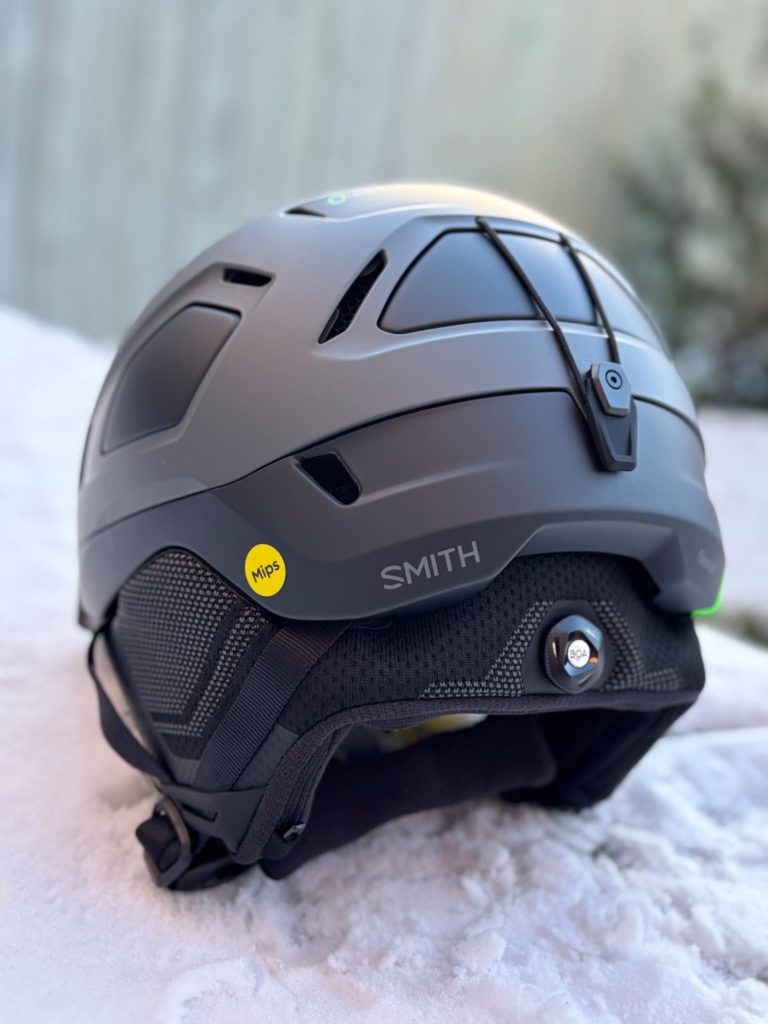
The Nexus has always been positioned as Smith’s no-compromise option. Full KOROYD coverage, MIPS, hybrid shell, BOA 360 fit, all the buzzwords turned up to eleven. I wanted to know if that actually translated to something you feel on snow, or if it’s just a very expensive checklist.
1. Comfort & Fit
This is where the Nexus started winning me over pretty quickly.
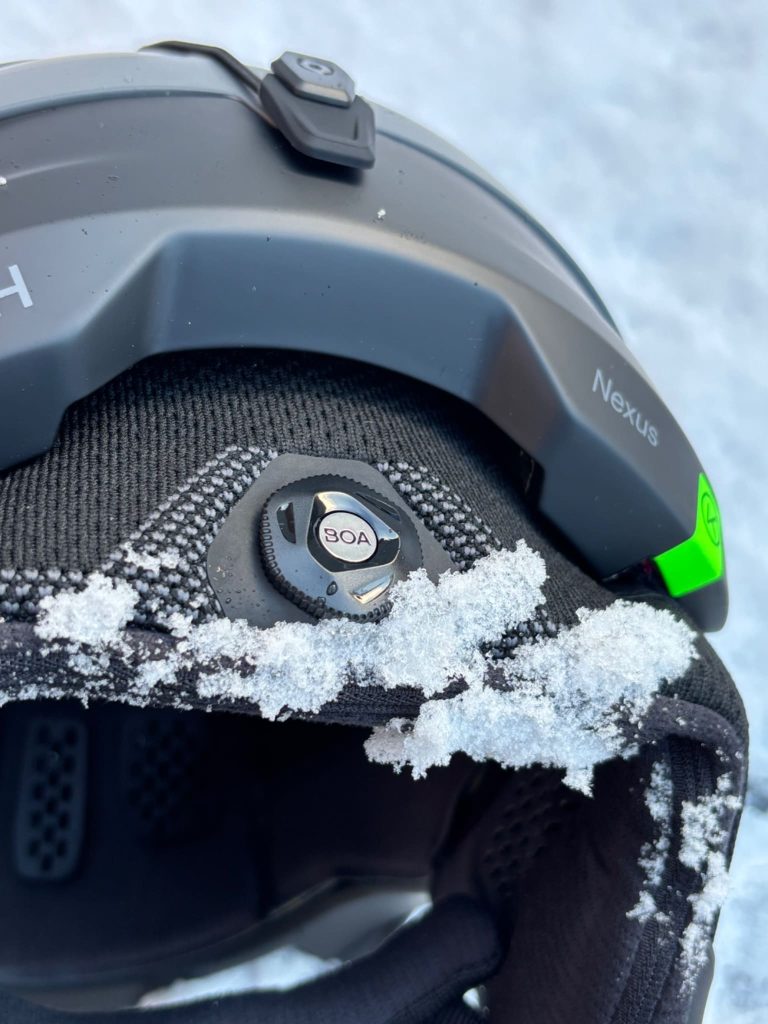
The BOA 360 system does a genuinely good job of evening out pressure around your whole head, not just cinching the back like some fit systems do. There’s no hot spot, no pressure point that creeps in after lunch. It just sits there, locked in and stays that way.
Padding feels plush without being marshmallow soft, and the liner does a solid job managing sweat. I’m usually pretty sensitive to helmets feeling clammy or stuffy, and the Nexus never crossed into annoying territory, even on warmer days.
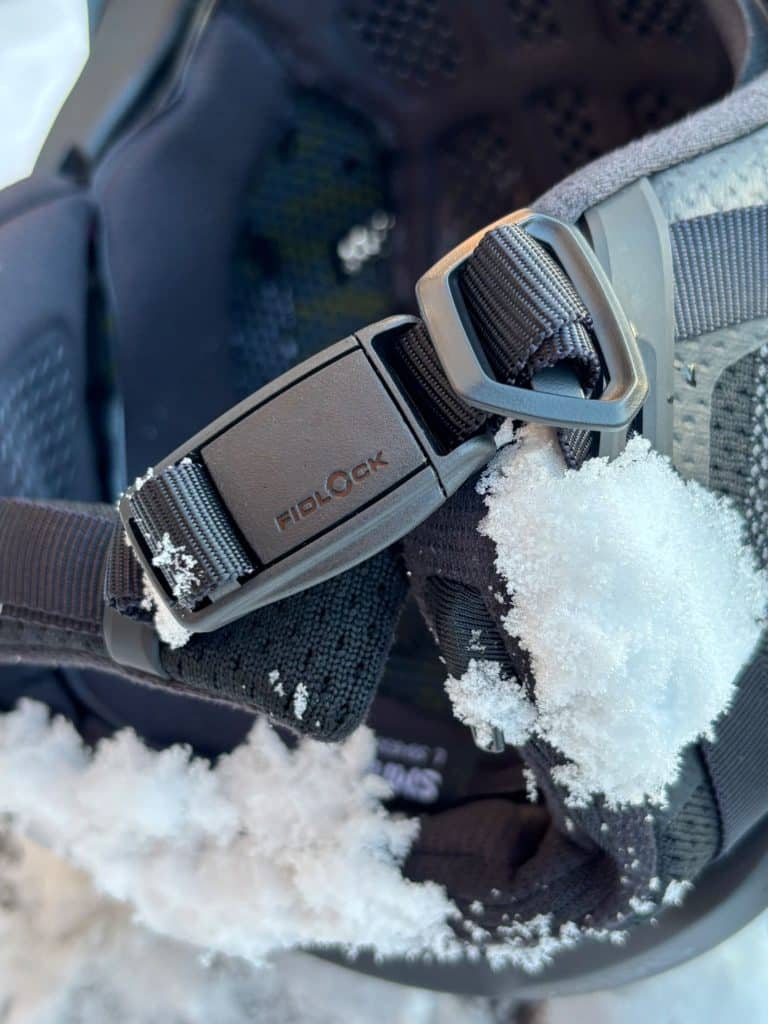
I’m also a fan of their Fidlock buckle – once you’ve played around with it a bit it’s much easier to use than traditional buckles. Particularly in deep sub-zero temperatures.
Overall the Nexus is one of those helmets you stop thinking about halfway through the day, which is about the highest compliment I can give.
2. Protection
This is hard to quantify without sacrificing myself as a crash dummy, but the Nexus feels solid. I had a few low-level crashes and came out unscathed.
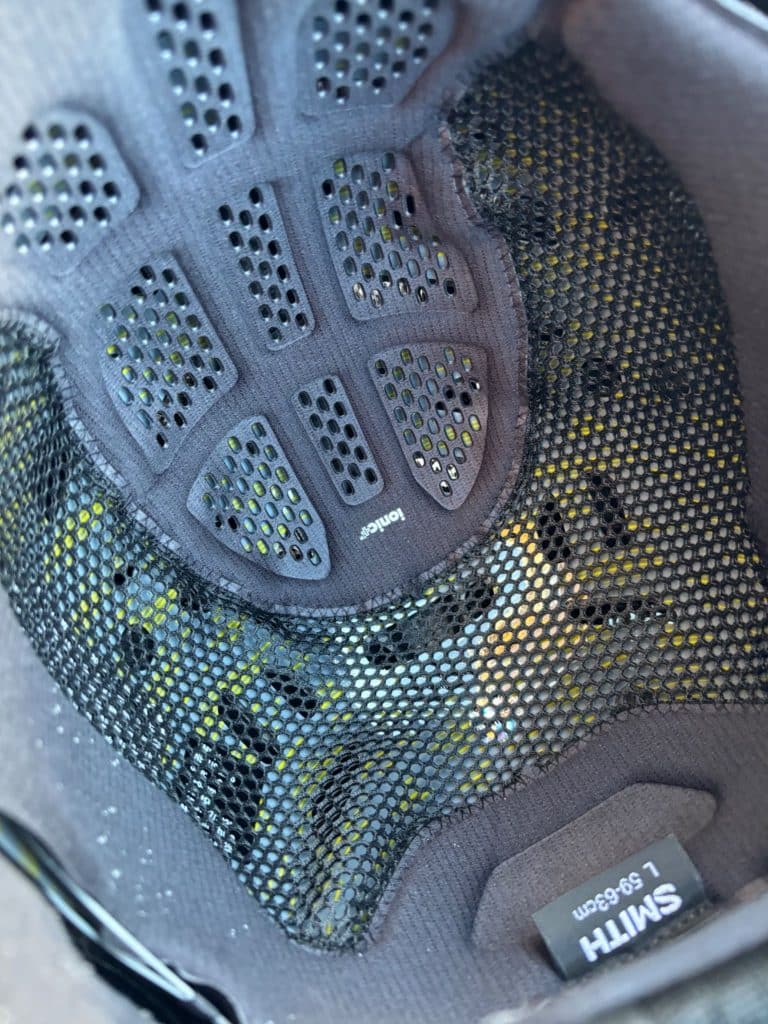
Between the hybrid shell, full KOROYD coverage and MIPS, there’s a sense of density and structure that cheaper helmets don’t quite match. It doesn’t feel fragile. It doesn’t feel like something you’re babying. Sort of feels like a quiet confidence that if you do hit hard, there’s a lot going on between your head and the snow.

I’m not saying it makes you ride recklessly, but it does remove a layer of background worry. That’s something I noticed especially in rough snow and on faster days where mistakes come with more consequence.
3. Venting & Temperature Control
Smith’s venting systems are generally good and the Nexus is no exception.
The dual front and rear vent controls actually make a difference. Open, it flows more air than you’d expect from something this protective. Closed, it seals up well enough for cold chairlift days (without feeling like a plastic bag on your head).

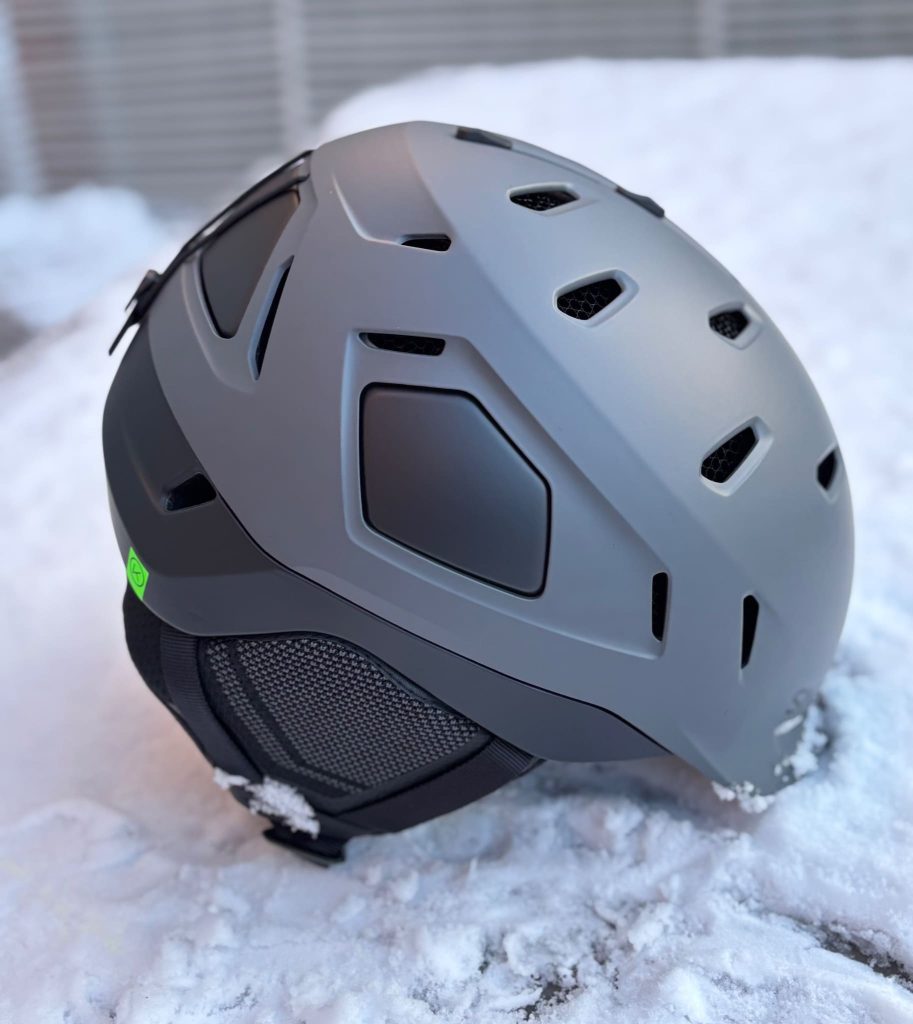
Paired with the best-rated ski goggles, the AirEvac setup does its job. I didn’t deal with fogging issues, even during slower, stop-start riding. It’s not magic, but it’s consistent, which matters more.
4. The Tech
The headline feature of the Nexus is full KOROYD coverage. Instead of relying only on traditional EPS foam, Smith uses KOROYD, which is a welded tube structure designed to crumple on impact.
The idea is pretty simple – absorb energy more efficiently than foam alone, while also letting air move through the helmet. In practice, that means better impact absorption and noticeably better ventilation.
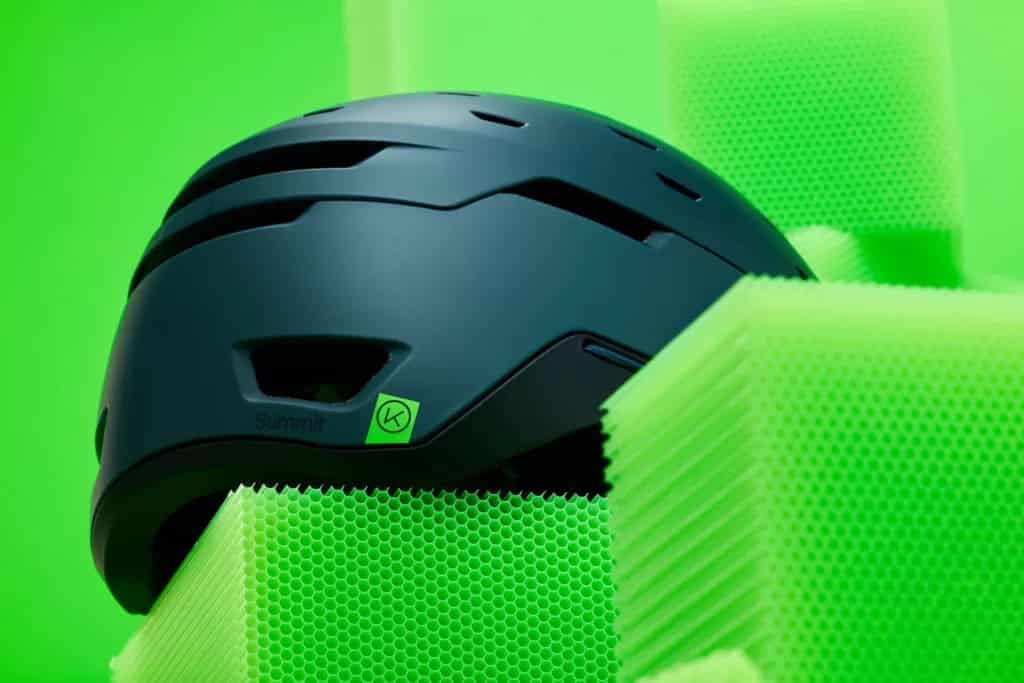
On top of that, the Nexus uses MIPS to help reduce rotational forces in angled crashes, which are far more common than straight impacts. The shell itself is a hybrid construction, tougher around the sides and key zones, lighter where it can be, so the helmet doesn’t feel like a brick on your head.
Fit is handled by Smith’s BOA 360 system, which tightens evenly around the whole head instead of just pushing from the back. Combined with the adjustable venting and good goggle integration, it’s a helmet built to disappear once you’re riding, despite how substantial it looks in hand.
5. The Downsides
The price is the obvious one. There’s no way around it. This is a premium helmet, priced like one and you feel that hit upfront.
Visually, it also looks bulkier than lower-profile helmets. It’s not a deal-breaker for me, but if you’re obsessed with the smallest, most minimalist silhouette, this might not be your aesthetic.
And realistically, not everyone needs this level of protection. If you’re a casual rider or stick to mellow groomers, something like the Vantage 2 will get you most of the way there for less money.
6. Pros & Cons
- ✔ Outstanding impact protection
- ✔ Full KOROYD + MIPS coverage
- ✔ Extremely comfortable for long days
- ✔ Excellent venting and fog control
- ✔ Confidence-inspiring, solid feel
- ✖ Very expensive
- ✖ Looks bulkier than lower-profile helmets
Who The Smith Nexus Helmet Is For
If you ride a lot, ride hard, or just want the most protective helmet Smith makes without compromise, the Nexus makes sense. It’s overkill in the same way a really good suspension fork is overkill until the day it isn’t.
If budget matters more, or you want something lighter and sleeker, there are better value options. But if you’re already looking at the Nexus, you probably know why you’re here.
For me, it’s the best helmet I’ve worn to date. It quietly does everything right once it’s on your head.
Alternatives Worth Considering
If the Nexus feels like overkill, the Smith Vantage 2 MIPS is the obvious step down. It still gets full KOROYD and MIPS, but in a lighter, slightly less armored package. You give up some of the Nexus’s reinforced side structure and tank-like feel, but for most resort riders, the Vantage 2 hits a far better balance of protection, weight and price.
For riders on a tighter budget who still want MIPS, the Outdoor Master Diamond 2 MIPS is a solid value pick. It doesn’t feel as refined or confidence-inspiring as the Nexus, but it covers the basics well and makes a lot of sense if price matters more than absolute top-end protection (extra 20% off with code CHASERS20).
Final Thoughts
You don’t buy the Nexus because it’s good value. You buy it because you want the best helmet Smith knows how to build, and you’re okay paying for that peace of mind. It’s not for everyone, but if it’s for you, you’ll know.
That said, the Vantage 2 is still an excellent helmet and a far more sensible choice for most riders. You’re not giving up much in real-world performance.
