10 Best Beginner Snowboards (2026)

Most beginner snowboard lists are garbage. Half of them are written by people who’ve never stepped on a board. I’ve taught enough new riders and worked on enough busted setups to know what actually works. These are the boards that make learning faster and more fun, without making you hate snowboarding after day two.

If you just want honest picks that help you get good without wasting money, keep reading.

🏆 Best Overall Pick

The Nitro Prime Chroma Cam Out is the best snowboard for beginners. It rides smooth, holds an edge when you need it and never fights you when you mess up. Light, easy to control and tough enough to last a few seasons. If you want a board that helps you learn fast without feeling sketchy, this is the one. Hard to beat at this price.

Top 3 Beginner Snowboards

Best Upgrade Pick
Best Burton Pick

Beginner Snowboard Reviews (2026)

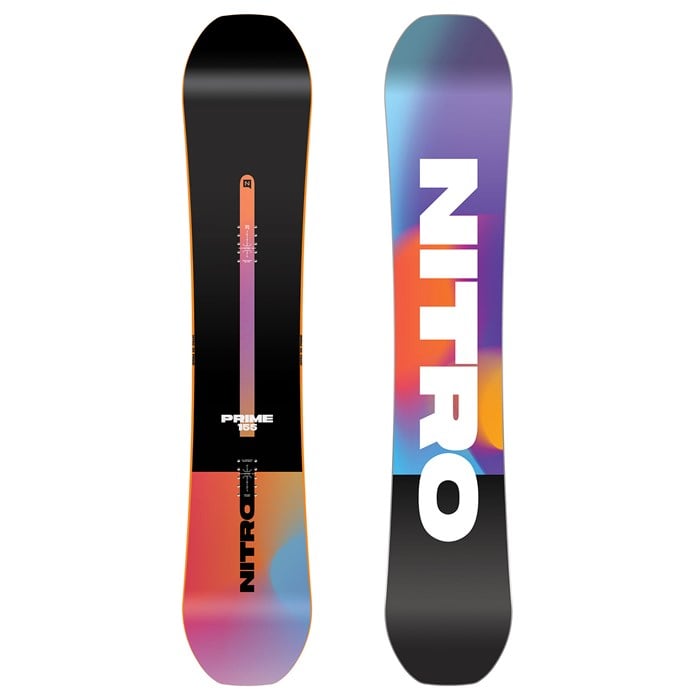
1. Nitro Prime Chroma Cam Out Best Overall

Nitro Prime Chroma Cam Out
  • Flex: 5/10
  • Profile: Cam Out Camber
  • Base: Premium Extruded FH
  • Shape: Directional Twin
  • Pair: Union STR Bindings
  • Tech: Powercore, Bi Lite laminates, Radial sidecut
Score: 4.8/5
If you’re looking for the fastest way into snowboarding without torching your wallet, this is it. The Nitro Prime Chroma Cam-Out proves that you don’t need to drop half a paycheck to get something that actually helps you learn.

I rode the original Prime Raw last year and put it at the top of my beginner list. It was stupid good value and honestly still is. The reason the Chroma Cam-Out takes the crown this year is feel. The slight camber underfoot gives you a bit more edge confidence and control as you progress, while still staying mellow and forgiving when you catch a toe, which you will (everyone does).

The flex is friendly, turns come easy and it never feels like the board is fighting you. I have seen complete beginners hop on this and make clean, linked turns by the end of day one. That is what you want. Snowboarding is more fun when you’re not eating snow every five seconds.

Is it the most premium board on this list? No. But that is the point. Spend your money on lessons and a decent pair of boots. This thing will carry you through your first season and beyond without feeling like a watered-down rental noodle.

If you want to start without overthinking it, the Chroma Cam-Out is the move.

Pros

  • Ridiculously good value
  • Easy edge control
  • Stable enough to learn carving
  • Reliable flex for progression

Cons

  • Not as lively as pricier boards
  • Base needs regular waxing to stay quick

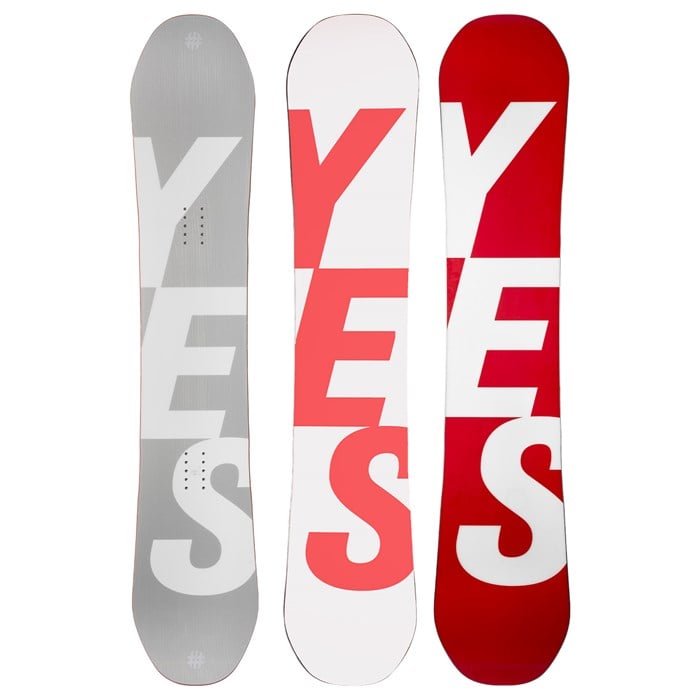
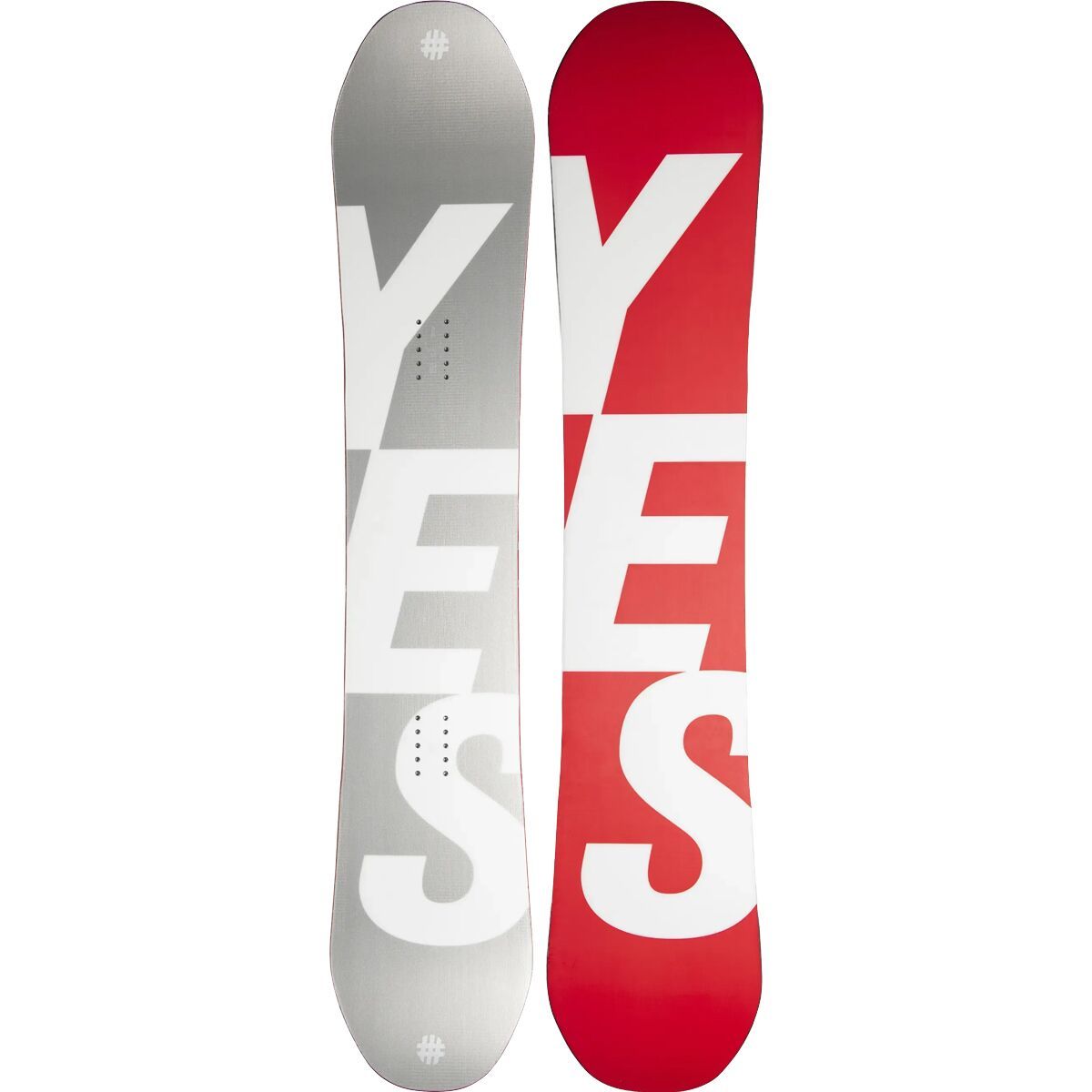
2. YES Basic Best Upgrade

YES Basic
  • Flex: 5/10
  • Profile: CamRock (camber between feet, rocker at nose and tail)
  • Base: Extruded
  • Shape: True Twin
  • Pair: Union Strata
  • Tech: Full Poplar Core, UnderBite sidecut
Score: 4.7/5
The YES Basic is the board I recommend when someone asks “What should I get if I don’t want to outgrow it?” It rides the line perfectly. Friendly enough for day-one turns, but structured enough for when you stop skidding and start laying clean edges.

It’s damp where it needs to be and still playful enough to mess around on side hits. Some boards in this list are cheaper and a couple feel looser and more “automatic” for total first-timers, but the Basic has a quality to it that just makes you trust it. That matters when you’re learning to commit to your edges and not panic every time the board picks up speed.

If you want something you can grow into without jumping price brackets twice, this is a smart call.

Pros

  • Super easy to ride
  • Great edge hold for carving progression
  • Playful and park-friendly
  • Grows with you past day-one riding

Cons

  • More expensive than true entry-level boards
  • Can chatter when bombing steeper runs

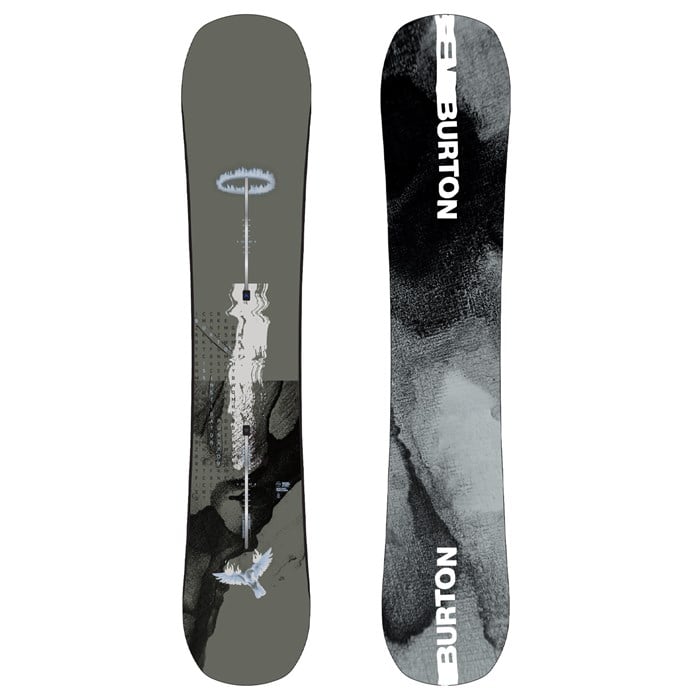
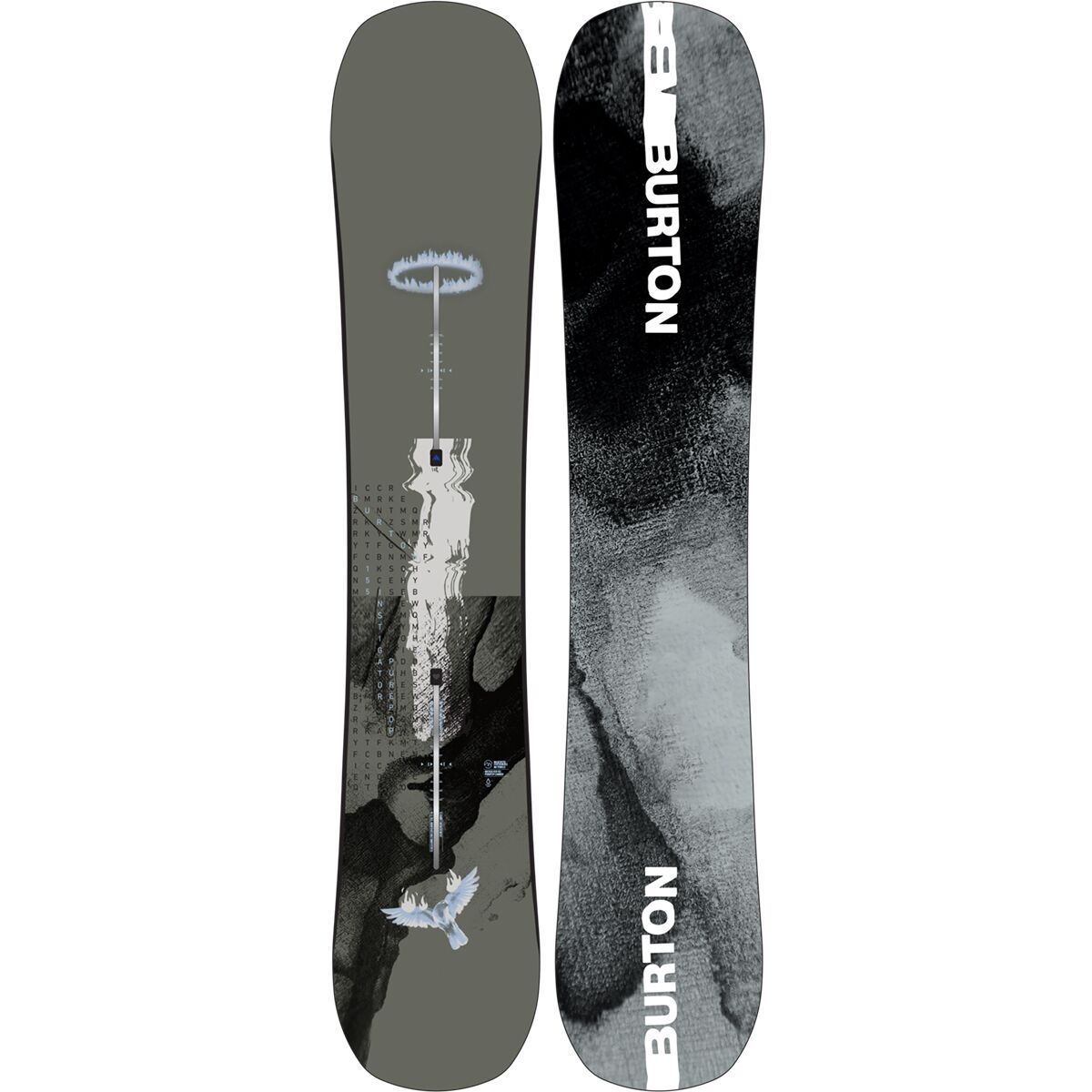
3. Burton Instigator Best Burton Snowboard

Burton Instigator
  • Flex: 4/10
  • Profile: PurePop Camber
  • Base: Extruded
  • Shape: Directional Twin
  • Pair: Burton Mission
  • Tech: Biax Fiberglass, The Channel mounting, Cruise Control tune
Score: 4.7/5
I’ve put a lot of first-timers on this board over the years. It just makes learning easier. Soft flex, mellow camber and Burton’s detuned contact points. This means fewer surprise edge catches and a smoother first day on snow.

Compared to the Nitro, the Instigator feels softer and a bit more laid-back. You do not get as much snap or long-term “grow into it” performance, but you do get a board that keeps things calm when you are still figuring out balance and edge pressure.

There is nothing flashy here and that is fine. It turns easily at slow speeds, stays predictable and forgives sloppy movements. That confidence bump early on is why so many instructors use it.

If you want a Burton and you are starting from zero, this is the one that makes sense. Simple, consistent and beginner-focused without feeling like a rental board.

Pros

  • Very forgiving feel
  • Easy to turn at slow speeds
  • Great for nervous first-timers
  • Excellent reviews from my students
  • Trusted brand support and build

Cons

  • Softer flex may limit progression long-term
  • Not the best value vs cheaper options

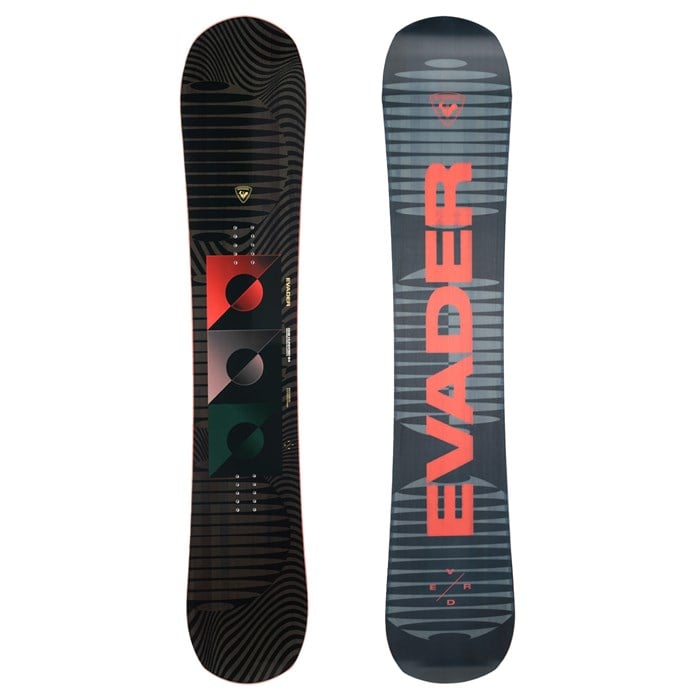
4. Rossignol Evader Most Forgiving

Rossignol Evader
  • Flex: 3/10
  • Profile: AmpTek Auto Turn Rocker
  • Base: Extruded 4400
  • Shape: Directional
  • Pair: Union Flite Pro
  • Tech: Wood 5620 core, ABS sidewalls
Score: 4.6/5
The Evader is still one of the best beginner snowboards. It’s one of those boards that immediately takes the edge off the learning curve. Soft flex, predictable response and a profile that doesn’t punish you when your weight is in the wrong place.

If you’re still figuring out balance and edge pressure, this board gives you room to mess up without dumping you constantly. Turning is straightforward. Speed feels manageable. And when you’re tense or nervous on day one, that matters more than anything.

You’ll eventually outgrow it once you start riding faster or pushing harder, but that’s not a knock. Its strength is making those early days feel calm and controlled so you can actually progress instead of fighting your gear.

If you want the most forgiving start possible, this is it.

Pros

  • Extremely forgiving and confidence-boosting
  • Super easy to turn and control
  • Great for nervous first-timers
  • Smooth ride at slow speeds
  • Makes the learning process less painful

Cons

  • Not ideal for progressing to high speed carving
  • Soft flex means you'll eventually grow out of it

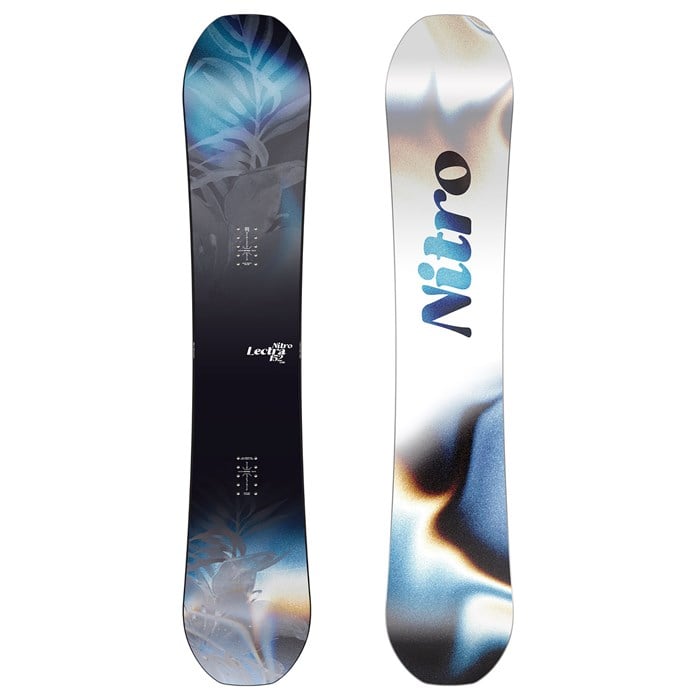
5. Nitro Lectra Leaf Cam-Out Best Women’s Pick

Nitro Lectra Leaf Cam-Out (Women’s)
  • Flex: 4/10
  • Profile: Cam Out Camber
  • Base: Premium Extruded FH
  • Shape: Directional Twin
  • Pair: Burton Scribe
  • Tech: Powercore, Bi-Lite laminates, Radial sidecut
Score: 4.7/5

My buddy Jess has been teaching forever and puts a ton of her new riders on this. Same story every time: steady progression, fewer confidence-killing edge catches and way more smiles by the end of the day.

Flex is mellow, turn initiation is easy and the cam-out profile gives just enough support underfoot to feel stable without making the board twitchy. If you’re nervous, this thing settles the nerves fast.

There are women’s boards out there with fancier tech and bigger marketing pushes, but when you just want something that makes day one less chaotic and gives you room to grow, this is it. Much like the Nitro Prime, it’s also exceptional bang for your buck.

It just feels intuitive from the first run, which is exactly what you want in the best beginner snowboard for women.

Pros

  • Beginner-friendly flex and feel
  • Easy to control and turn
  • Stable without feeling stiff
  • Trusted instructor pick
  • Stupidly good value

Cons

  • Not for aggressive riders long-term
  • Advanced progression may need a stiffer board later

6. Lib Tech Skate Banana Premium Pick

Lib Tech Skate Banana
  • Flex: 4/10
  • Profile: Original Banana (rocker between feet, mild camber tip/tail)
  • Base: Eco Sublimated TNT
  • Shape: True Twin
  • Pair: Bent Metal Joint
  • Tech: FSC Aspen/Paulownia core, Magne-Traction serrated edges
Score: 4.6/5

The Skate Banana has been around forever and there’s a reason it keeps showing up under riders who actually stick with snowboarding. It makes those early turns easier, but it also has enough backbone to grow with you once you’re linking clean carves and messing around in the park.

Rocker between the feet gives it that loose, catch-free feel beginners appreciate when they’re still figuring out edge control. Mild camber out at the tips keeps it from feeling like a wet noodle and gives you something to push against as your riding improves. It’s playful and forgiving, without feeling like a “beginner rental special.”

Magne-Traction (serrated edges for grip) help on harder snow days, where softer beginner boards usually feel slick and sketchy. Some riders love that tech-y, grippy feel. Others don’t really notice it until they ride a board without it and realize they were relying on it more than they thought.

Is it expensive for a first board? Yep. If you’re on a tight budget, the Nitro or YES options are smarter. But if you want something you can learn on and realistically keep for years, the Skate Banana still earns its reputation.

Pros

  • Very forgiving rocker feel
  • Edges grip surprisingly well on firm snow
  • Good long-term board as skills progress
  • Fun and playful for park laps later on

Cons

  • Pricey for a first board
  • Loose rocker feel isn’t for everyone

7. Arbor Formula Decon Eco Pick

Arbor Formula Decon
  • Flex: 5/10
  • Profile: System Camber
  • Base: Sintered
  • Shape: Directional Twin
  • Pair: Arbor Hemlock
  • Tech: FSC Certified core, Bio-Resin, Recycled steel edges
Score: 4.5/5
The Formula Decon sits in a nice sweet spot where it doesn’t feel flimsy or watered-down like some “entry boards.” But it also isn’t so stiff or aggressive that beginners get punished for learning on it.

It’s got Arbor’s System Camber, which means it holds an edge better than the really soft rocker boards. If you’re learning somewhere with firmer snow or you’re a more athletic rider who pushes a bit harder, you’ll probably appreciate the stability. It doesn’t wash out easily and it doesn’t get twitchy at speed.

It still feels like a real snowboard rather than a training tool. If you want something loose, skatey and ultra-easy on day one, boards like the Evader or Instigator lean that direction more. The trade-off is that the Formula gives you room to grow. I’ve seen stronger, more athletic beginners do really well on boards like this because they don’t out-progress their setup halfway through the season. For what it’s worth, I also love the look and build of Arbor boards. 

Also, Arbor leans into sustainable materials and build methods more than most brands. Worth supporting if you can. 

Pros

  • Stable and confidence building
  • Good edge hold (Grip Tech helps)
  • Won’t be outgrown quickly
  • Eco-focused construction

Cons

  • Not as “loose” and beginner-soft as others

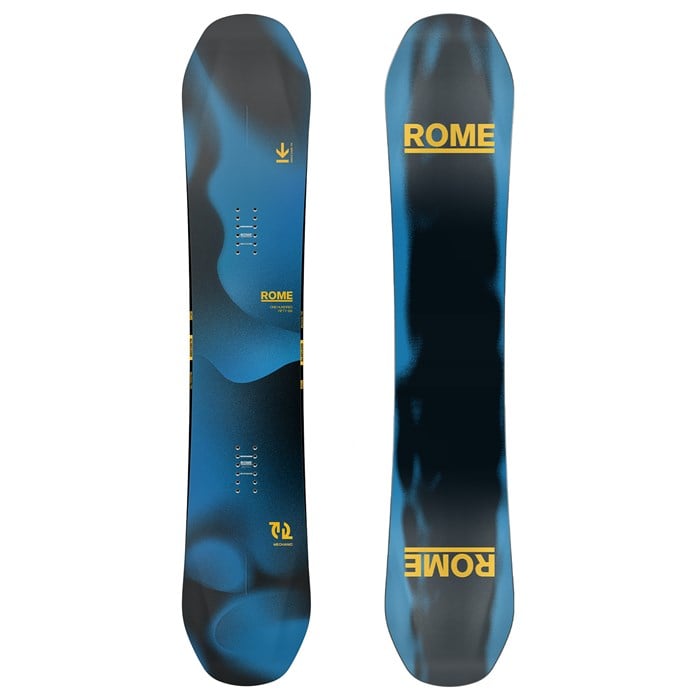
8. Rome Mechanic Best Beginner Freestyle

Rome Mechanic
  • Flex: 4/10
  • Profile: Contact Rocker (flat between feet, rocker nose/tail)
  • Base: Impact (extruded)
  • Shape: True Twin
  • Pair: Rome Trace AW
  • Tech: Stomp Core, Bamboo HotRods, Biax Glass
Score: 4.5/5

Some beginners want to cruise. Others show up already eyeing side-hits and thinking about butters. If that’s you, the Rome Mechanic makes a lot of sense.

It’s soft, loose and easy to play around on. You don’t need perfect balance to start pressing or messing with flat-ground tricks. Small jumps feel less scary because the board doesn’t punish awkward landings. It also rides mellow on groomers, so you can still learn your turns without feeling like you bought the wrong tool.

I still ride mine when teaching park camps and often lend it out when beginners turn up with oversized planks. Most of them end up grabbing a Mechanic shortly afterwards. 

This isn’t built for charging fast or bombing icy blues. It’s a “learn, play, repeat” board. If your plan is to ride switch early, start buttering and spend time in the park, the Mechanic gives you room to mess up and still have fun. That’s exactly what you want in the best freestyle snowboard for beginners.

Pros

  • Very easy to butter and press
  • Great for switch and early park riding
  • Forgiving flex and feel
  • Fun right away
  • The Rome team (and customer service) are awesome

Cons

  • Less stable at top speed
  • Lighter riders may love it more than heavier riders

9. K2 Gateway Most Versatile

K2 Gateway
  • Flex: 4/10
  • Profile: Directional Rocker
  • Base: Extruded 2000
  • Shape: Directional Twin
  • Pair: K2 Formula
  • Tech: Aspen core, Biax fiberglass, Catch-Free tune
Score: 4.4/5
Some boards lock you into one style right away. The Gateway doesn’t. This is the setup I recommend when someone tells me they want to learn the basics, ride groomers, maybe try the park, maybe dip into a little pow, and just figure out what they like. It never feels pushy or twitchy. It just goes along with whatever you want to do that day.

It’s mellow enough for true beginners but has a little more backbone than the super soft “day one only” decks. So if you’re planning to snowboard more than one or two weekends a year, you won’t outgrow it immediately. I’ve seen people take this from slipping around on greens to carving solid turns and dabbling in side hits by mid-season.

It’s not the flashiest board here, and it won’t win a carving contest against the freeride dudes who sharpen edges in their kitchen, but that’s not the job. The Gateway is about smooth progression and not boxing yourself into one style too soon. If you want one board to learn on and explore, this is a safe, smart pick.

And yes, it actually feels like a real board, not a rental noodle. That helps confidence more than people think.

Pros

  • Works for all terrain
  • Stable but still forgiving
  • Good long-term beginner board
  • Easy turn initiation

Cons

  • Not the loosest for park beginners
  • More "steady" than playful

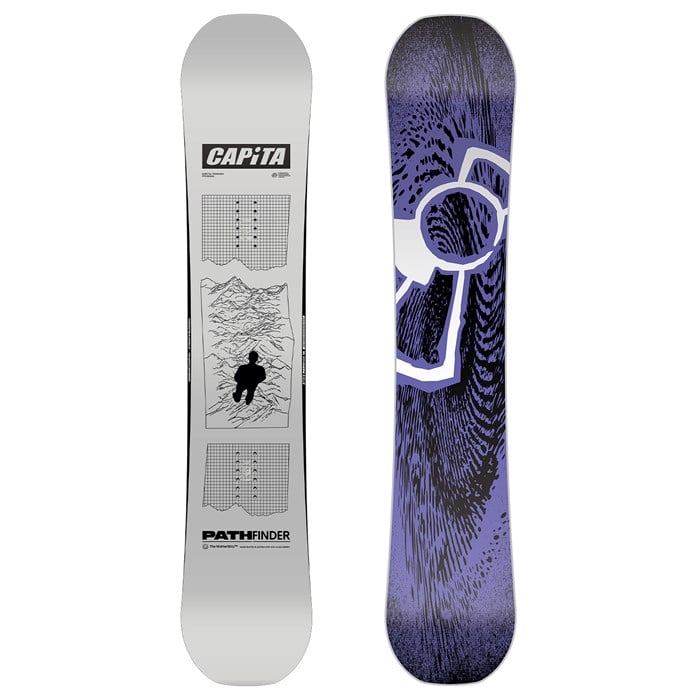
10. Capita Pathfinder Most Playful

CAPiTA Pathfinder
  • Flex: 4/10
  • Profile: Park V2 (flat between feet, rocker tips)
  • Base: Superdrive™ FX
  • Shape: True Twin
  • Pair: Union Flite Pro or Rome Trace AW
  • Tech: FSC Certified core, Biax glass, Cork Edge Dampening
Score: 4.3/5

Some riders start snowboarding and immediately want to ride switch, tap every side hit and figure out nose presses in the car park before lessons. That’s the Pathfinder crowd. It’s soft, pressy and super forgiving edge to edge, so you can experiment without feeling like the board wants to yank you off balance.

Compared to the Rome Mechanic, this leans more into the jib/butter vibe. The Mechanic feels a bit more planted underfoot and is slightly better for cruising the mountain. The Pathfinder is looser, snappier in short turns and easier to throw around when you start messing around with butters and basic park laps.

If your plan is to learn the fundamentals and dip into freestyle from day one, this is one of the most beginner-friendly park snowboards you can hop on. It may not be your favourite board if your goal is bombing blacks straight away. If you want to play, flex and get creative early, it’s a very fun way to start.

Pros

  • Super playful and press-friendly
  • Forgiving for new riders
  • Light and easy to maneuver
  • Great for learning park basics

Cons

  • Not built for high-speed stability
  • Edge hold on ice is average

Comparison Table

Snowboard Flex Profile Base Shape Pair With Style Score Price
Nitro Prime Chroma 5/10 Cam-Out Camber Extruded Directional Twin Union STR All-Mountain Beginner 4.8/5 $379
YES Basic 5/10 CamRock Extruded True Twin Union Force All-Mountain / Progression 4.7/5 $449
Burton Instigator 4/10 PurePop Camber Extruded Directional Twin Burton Mission All-Mountain Beginner 4.7/5 $419
Rossignol Evader 3/10 AmpTek Auto Turn Extruded Directional Union Flite Pro Easy / Forgiving 4.6/5 $399
Nitro Lectra Leaf (W) 4/10 Cam-Out Camber Extruded Directional Twin Union Rosa Women's All-Mountain Beginner 4.7/5 $379
Lib Tech Skate Banana 4/10 Original Banana Rocker Sintered True Twin Bent Metal Joint Freestyle / All-Mountain 4.6/5 $549
Arbor Formula Decon 5/10 System Camber Sintered Directional Twin Arbor Hemlock All-Mountain 4.5/5 $449
Rome Mechanic 4/10 Contact Rocker Extruded True Twin Union Flite Pro Freestyle Beginner 4.5/5 $399
K2 Gateway 5/10 Directional Rocker Extruded Directional Twin K2 Formula All-Mountain 4.4/5 $429
CAPiTA Pathfinder 4/10 Flat / Rocker Tips Superdrive FX "Sintruded" True Twin Union STR Freestyle 4.3/5 $429

Beginner Snowboard Buying Guide

I’ve set up a lot of first boards and taught a lot of new riders. After a while, you see what works and what just makes learning harder. Most beginners don’t need anything fancy. You just need a board that turns easily, doesn’t grab an edge every time you get off balance and feels predictable under your feet.

This isn’t about chasing the “perfect” setup. It’s about getting something that helps you build confidence fast and keeps riding fun while you figure it out.

Length

Size charts make people panic. Truth is, beginners live in a pretty forgiving window. Go near the middle of your length range (per the Snowboard Size Calculator). If you’re lighter, go a touch shorter. Heavier, go a touch longer. That’s it. You’re not tuning a Formula 1 car. You’re figuring out how to turn without falling on your backside.

Once you’re linking turns confidently, you can get nerdy about length for park, freeride, powder and all that. Not today.

Flex

Soft to medium flex keeps life simple. It lets the board bend with you instead of feeling like you’re wrestling it. Soft boards help you initiate turns, recover from mistakes and learn faster. Leave the stiff, carbon-loaded rockets to the dudes straight-lining black diamonds.

Profile

Forget the infinite snowboard profile debate. For beginners, you want either rocker or a mellow hybrid. Why?

Because rocker between your feet and friendlier contact points makes it harder to catch edges. That matters a lot on day one. Camber isn’t off limits. Small camber sections add control once you’re past the “falling leaf” phase. Think stability without the bite.

Just don’t buy an aggressive camber board and expect it to feel easy. It won’t.

Shape

Keep it simple. You want something balanced and predictable. True twin or directional-twin. Both let you learn properly, ride switch when you’re ready and not feel like the board is trying to steer you. Save the pointy nose powder missiles for your second season.

Base

Yes, sintered bases are faster. No, you don’t need one. Extruded bases are fine for learning, easier to maintain and cheaper to repair when you inevitably smack a rock. If you buy a board with a sintered base anyway, great. Just don’t pretend it’s the deciding factor. It’s not.

Price

If your board is in the $350-$500 range, you’re in the right zone. You don’t need a $900 carbon spaceship to learn how to stop. Spend the extra on lessons and boots. Good boots make more difference to your day than anything printed on the topsheet.

Avoid these beginner mistakes

Do not size up “for the future.” That is how you make snowboarding harder than it needs to be. And avoid buying full park noodles thinking they’re easier. Too soft and you end up with a twitchy mess on anything steeper than a green run.

Last one: if a brand claims a beginner board can take you “from first day to double black expert,” smile politely and walk away. If that were true, I would be out of a job.

Final Word

Pick a soft or medium board, rocker-friendly profile, sensible length, fair price. That’s the formula. When you get better, you’ll know what direction you want to go: park, carving, powder, big-mountain. Right now? Just get something that lets you learn without suffering.

Snowboarding is meant to be fun. 

You’re here to ride, not get a PhD in board specs.

Final Thoughts

Picking the best beginner snowboard isn’t about chasing tech or buying whatever looks cool (although that helps). It’s about getting on something that turns smooth, doesn’t punish mistakes and lets you focus on actually riding.

Every beginner looks stiff and awkward at first. That’s normal. The right board just makes the whole process less frustrating and gets you linking turns quicker.

Keep it simple. Good lesson, solid boots, forgiving board and a couple of days on snow. That combo beats overthinking gear nine times out of ten.

You’ll find your flow faster than you think. See you on the hill.

Beginner Snowboard FAQs

What is the best beginner snowboard?
The best beginner snowboard turns easily, forgives mistakes and feels predictable. Look for soft to medium flex, true twin or directional twin and a rocker or mellow hybrid profile. Price matters less than feel. If it helps you learn fast and stay upright, it’s the right board.
All-mountain vs freestyle for beginners?
All-mountain boards are the safe bet. They carve groomers and handle a bit of everything. Freestyle boards are looser and better for butters and park basics. If you’re unsure, start all-mountain. If you already know you want park, a soft twin works well.
Twin or directional twin?
True twin if you plan to ride switch and learn park early. Directional twin if you want easier carving and a touch more stability while keeping switch fine. Most first-timers end up on directional twins and do great.
Best camber profile for beginners?
  • Rocker: Tip and tail lifted off the snow. Great for float and turn initiation. Very forgiving.
  • Hybrid (rocker between feet, mild camber underfoot): balanced, forgiving, stable.
  • Flat to rocker: easy turn start, very catch-free, less bite on ice.
Match it to your hill. I grab hybrid for mixed or firm days and rocker or flat-to-rocker for soft snow. Avoid full camber at this stage.
How do I choose flex?
Softer flex helps you learn. Medium adds stability as you get faster. Heavier riders or faster learners can go a touch stiffer. If you’re nervous or riding slow, stay soft to medium and you’ll progress quicker.
Beginner snowboard sizing: what length?
Chin to nose is a good start. Use a size chart and stay inside the weight range. Size down 1–3 cm if you want easier turns. Size up 1–3 cm if you want more stability. Don’t oversize “for the future.” That slows learning.

Use our Snowboard Size Calculator.
Do I need a wide snowboard?
Quick rule: US 10+ consider mid-wide, US 11+ go wide. Check toe and heel overhang with your binding angles. Aim for about 1–1.5 cm overhang per side. Bulky boots and flatter stances need more width. If your toes drag, you sized too narrow.
Sintered vs extruded base for beginners?
Extruded is slightly slower but tough and easy to fix. Great for learning. Sintered is faster when waxed regularly and better as you ride more. Don’t overthink it. A fresh tune matters more than base type for beginners.
Edge tech like Magne-Traction or UnderBite — worth it?
It helps on firm snow. You’ll feel a cleaner hold once you start carving. Still keep your edges sharp between the inserts and lightly detune the tips if it feels catchy. On real ice, technique and tune beat any marketing term.
Best beginner snowboard for women — any real differences?
Women’s boards use women’s-specific sizing and cores. Flex and stance options suit lighter riders and typical stances. The good ones ride like the men’s versions but are optimised for women. If a women’s model fits your weight and stance better, choose it. Fit and feel matter more than graphics or labels.
What bindings and boots should beginners pair with a new board?
Match flex. Soft to medium bindings on a soft to medium board. Prioritize boots. Good fit changes your day more than any board spec. Center your boots, check overhang, set a stance you can hold all day, then tighten everything properly on snow and re-check after the first run.
Will an all-mountain board float in powder?
Within reason, yes. Set back your stance and keep speed. Directional twins with nose rocker do better. On real storm days you’ll want more nose and a looser tail. For learning, don’t chase a powder shape first. Get control on groomers, then upgrade later if you love pow days.
Common beginner mistakes to avoid?
  • Oversizing “to grow into it.”
  • Buying ultra-soft noodles that chatter on anything steep.
  • Ignoring width and getting toe drag.
  • Riding a dry base and calling the board slow.
  • Choosing a park board when you barely ride park.

1 thought on “10 Best Beginner Snowboards (2026)”

  1. Freaking A. I disagree slightly disagree though, the yes basic is the best beginner snowboard for sure. sure it’s a little more pricey, but I’ve ridden mine for years. Easily keeps up with bigger and “better” boards.

Leave a Comment

Your email address will not be published. Required fields are marked *

Scroll to Top