
1. Your liner is packed out
This is the number one sign I see. Liners don’t last forever. They compress slowly over seasons and eventually stop hugging your foot the way they should.
If you can buckle tighter than you used to, or your heel lifts when you flex forward, that’s a dead liner. And when the liner goes, the whole boot feels vague and sloppy on snow.
Sometimes you can cheat another season with a fresh insole. A good supportive one can fill a bit of volume and stabilise your heel. If that’s all you need, I keep a breakdown of the good ones here:
best ski boot insoles.
If even that doesn’t help, the boot is nearing retirement.
2. You’re buckling tighter
If you’re cranking buckles to the last catch, you’re compensating for lost structure. I see this a lot with older shells and liners that have softened together.
When a boot loses support, you end up working twice as hard to get the same control. That’s when people start complaining their skiing “feels off” or their quads burn on runs that used to feel easy.
You shouldn’t have to strangle the buckles just to stay upright.
3. The shell feels soft or collapses
Plastic doesn’t stay the same forever. Heat, cold, UV, flex cycles, and plain old time will soften a shell. A soft boot is fine when it’s designed to be soft. A soft boot that used to be stiff is a problem.
If the cuff folds, collapses, or feels vague when you pressure it, the boot is done. This is the point where I usually tell people it’s time to let the old gals rest.
4. You have cold feet
Cold feet aren’t always about warmth. They’re often about circulation. A packed-out liner forces you to overtighten buckles to get control back. That pressure cuts blood flow, and your toes pay the price. If your boots were warm for years and suddenly you’re freezing, the fit has changed more than the weather.
5. You have wet feet
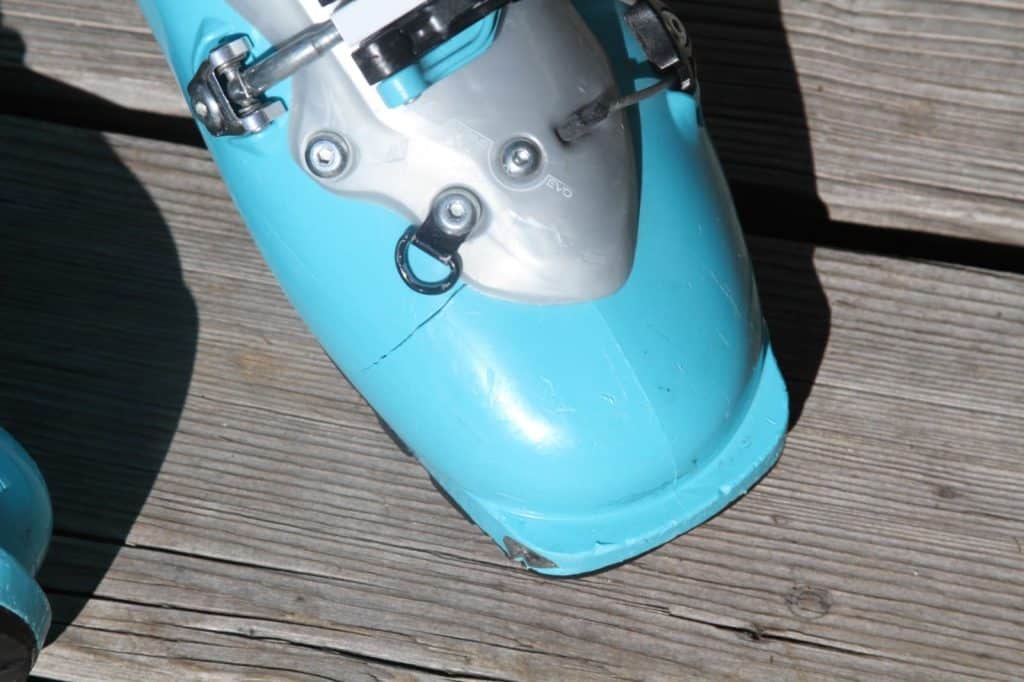
No shit sherlock, right? But you’d be surprised how many skiers put up with water ingress. I had to let my favourite park boots go for this exact reason. I suspect you’ll figure out the issue from the picture quicker than I did (took me a month to notice!)
6. Hot spots, numb spots or new pain
Pain that didn’t exist when the boots were new usually shows up once the liner loses its shape. Your foot shifts around, you load different areas, and pressure builds in places that were previously stable.
If you find yourself unbuckling every lift ride, that’s your boot telling you it’s lost its structure.
7. You’ve remolded, tweaked, padded, shimmed… and it still feels off
Most boots can be rescued early in their life. You can punch shells, add foam, swap insoles, adjust alignment and reheat liners. When someone brings me a relatively new boot that just feels “a bit wrong,” I’ll direct them to my guide on breaking in ski boots.
But if you’ve run through all the tricks and the boot still feels tired, it probably is.
8. They’re holding you back
This is a fun one! Yey. Sometimes the boot hasn’t “failed.” You’ve simply outgrown it. Beginners often start in softer, forgiving boots. As you get better, you load the ski harder, carve more, ski faster and push the cuff in ways that older boots weren’t built for.
When you feel the ski wanting to do something and the boot not quite keeping up, that’s a sign it’s time to level up. I’ll usually spot this more when teaching than in the shop. Mostly because people overestimate (or lie about) their ability. Be honest. If you’re ready… upgrade them suckers.
9. Your boot is older than you
People often underestimate the age of their boots by a lot. I’ve had skiers say their boots are “four or five years old,” and then they remember they bought them before their kid was born.
Plastic ages even when it’s not being used. If your boots are 8 to 10 years old, they’re usually past their best even if they look fine.
10. The sole is worn or the binding interface is sloppy
Walk around a lot in resort parking lots? Carry kids to lessons? Trek between lodges? Your soles are paying for it.
Worn soles affect how the boot interacts with the binding. A poor interface means inconsistent release, sloppy engagement and less predictable skiing. If the lugs are rounded off or the boots rock in the bindings, that’s not something to ignore.
11. They just feel tired
This is the one most skiers can’t articulate, but I can see it the second they put the boots on in the shop. Old boots lose life. They stop snapping back. They stop supporting you. They stop feeling like equipment and start feeling like shoes. If you’ve been skiing long enough, you know the feeling I’m talking about.

