
Sidecountry is supposed to be the easy version of backcountry. You duck a rope, traverse for five minutes, grab a clean line and pop back onto the piste. That is the idea anyway.
What is actually happening is a steady rise in riders pushing beyond resort boundaries with zero avalanche gear, no route planning and no sense of what terrain traps look like. Rescue teams across Europe and North America have been saying the same thing for years. The side of the piste is now where most of their avoidable callouts come from.
I see it too. I spend a lot of time guiding and teaching, and it is obvious when someone has followed a half-tracked bootpack without asking where it leads. Sidecountry feels safe because it sits next to civilisation, but the terrain behaves like real backcountry the moment you cross that rope. Here is why the problem is growing and what riders need to understand before stepping into unmarked snow.
The Illusion of Safety
The biggest issue with sidecountry terrain is the illusion of safety. The groomer is right there. You can hear the lift. You can see the piste markers. It tricks people into thinking the snow behaves like resort snow. It does not.
Once you step past the ropes, you are standing on uncontrolled terrain. No avalanche mitigation. No cuts from patrol. No explosives. No snowpack checks. You are riding natural snow with all the risks that come with it.
Rescue teams know this. They respond to slide zones that sit twenty metres from piste edges. These are not deep missions into glaciated terrain. They are fast, ugly avalanches right next to civilisation, and they often involve people who thought they were “just taking a short detour.”
I have seen it happen from the lift. A group follows a popular traverse. The first few riders cut it clean. The fifth and sixth hit the rollover after the sun has cooked it, and the slab breaks loose. It is always the same pattern. Familiarity makes people careless.
The Bootpack Problem
Sidecountry lines almost always start with someone’s bootpack. The moment a herd path forms, people treat it like a beginner hiking trail. I have watched total beginners follow a bootpack over terrain they had no business standing on.
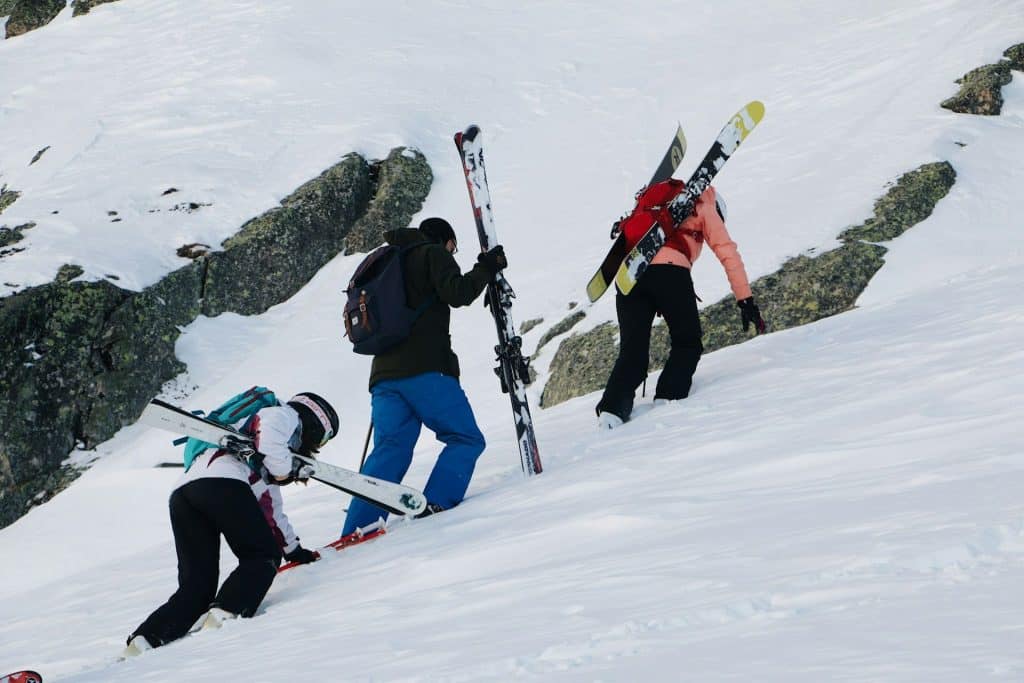
A well travelled bootpack does not mean the slope is safe. It only means a lot of people stood on it without triggering it. That is luck, not stability. A slope that held yesterday can release today because the wind shifted or the temperature climbed a few degrees.
As a guide, I make a point of asking people why they are following a bootpack. Most cannot answer. They get embarrassed and say things like “it looked like it goes to a cool bowl” or “everyone else was doing it.” If the only reason to follow a track is that someone else did, that is a bad sign.
Avalanche Gear People Do Not Carry
Most sidecountry riders do not carry the basics. No transceiver. No avalanche shovel. No avalanche probe. Their only safety plan is “stay close enough to the piste that someone can get to me.”
Rescue teams have been frustrated with this for years. Digging someone out without a signal is a body recovery. There is no polite way to put it. Even a cheap transceiver changes everything. It gives your friends a chance to get you out before patrol arrives.
I ride with a full kit every time I step out of bounds, even if I am only twenty steps from the rope. It is not a macho thing. It is simply the minimum standard if you are playing with avalanche terrain.
Resort Maps Make Sidecountry Look Sanctioned
Some resorts make the problem worse without meaning to. They publish beautiful maps with dotted lines showing “freeride zones” that sit between pistes. Riders look at the map and assume these areas are patrolled or managed. They are not.
Resorts do this because they know people will ski these zones anyway. The maps are meant as a rough directional guide, not a promise of safety. The trouble is that intermediate skiers read them as an invitation.
I have taken people into controlled off piste zones and watched them treat it like a designated playground. When I explain that the map is not a safety guarantee, they are often surprised. The messaging from resorts is not always clear.
The Weather Makes It Worse
Sidecountry is often most appealing after storms. The trouble is that the snowpack is usually the most unstable right after a storm. Wind loading, temperature shifts and rapid accumulation turn sidecountry bowls into traps.
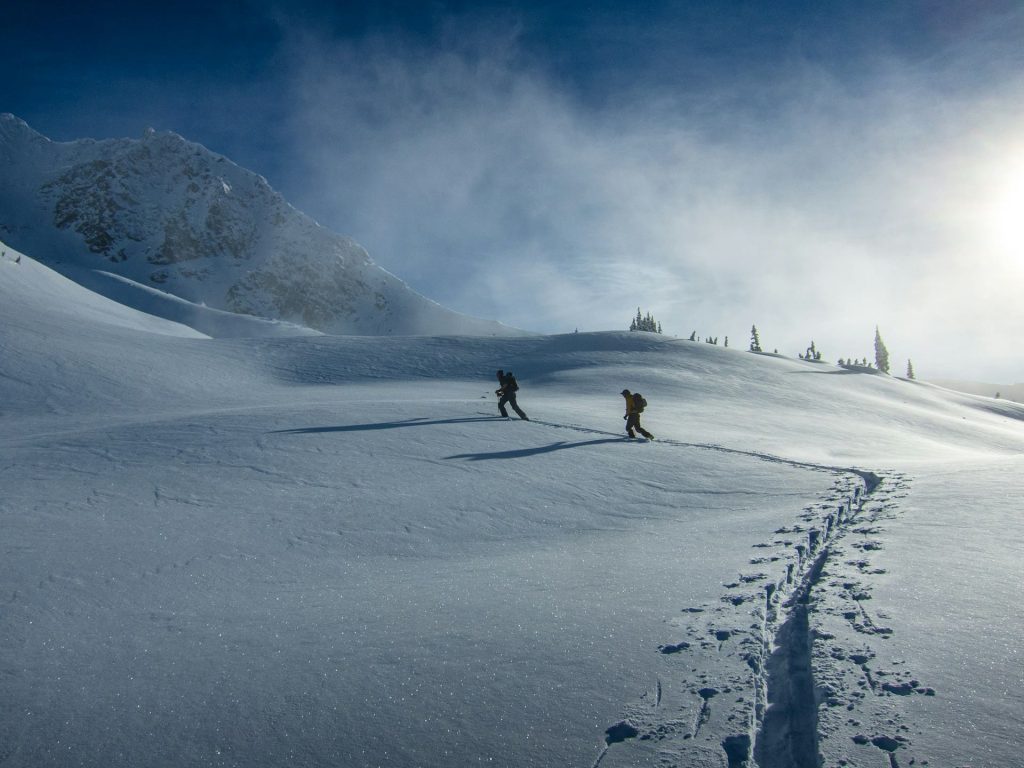
You see it every season. Fresh snow hits. People rush out. Patrol has not finished blasting the main resort terrain yet, so there is no chance they have touched the edges. A small slab breaks loose on a rollover that everyone thinks is harmless. It catches a rider and funnels them into a gully.
Sun is just as dangerous. A crusty morning that feels safe becomes a slushy mess by mid day. Wet slides are slow but powerful. They carry people like concrete. Sidecountry slopes that sit above traverses are especially sketchy on warm afternoons.
The Rescue Teams Are Tired
Talk to any patroller or mountain rescue volunteer and they will tell you the same story. Most of their avoidable callouts now come from rope-duckers and sidecountry laps. Not deep backcountry. Not technical lines. Just the terrain sitting right next to the piste.
These teams are not angry. They are tired. Every unnecessary rescue takes time and puts them at risk. A slide in a sidecountry bowl can require the same manpower and gear as a backcountry rescue. Avalanche debris does not care whether you are ten metres or ten kilometres from the resort boundary.
Why the Numbers Keep Rising
There are a few reasons sidecountry accidents keep increasing.
More people ski now. Resorts are crowded, so riders look for clean snow at the edges. Social media shows endless clips of people dipping into bowls with zero context. Travel has become easier and cheaper, so more intermediate skiers find themselves in big mountain terrain without real training.
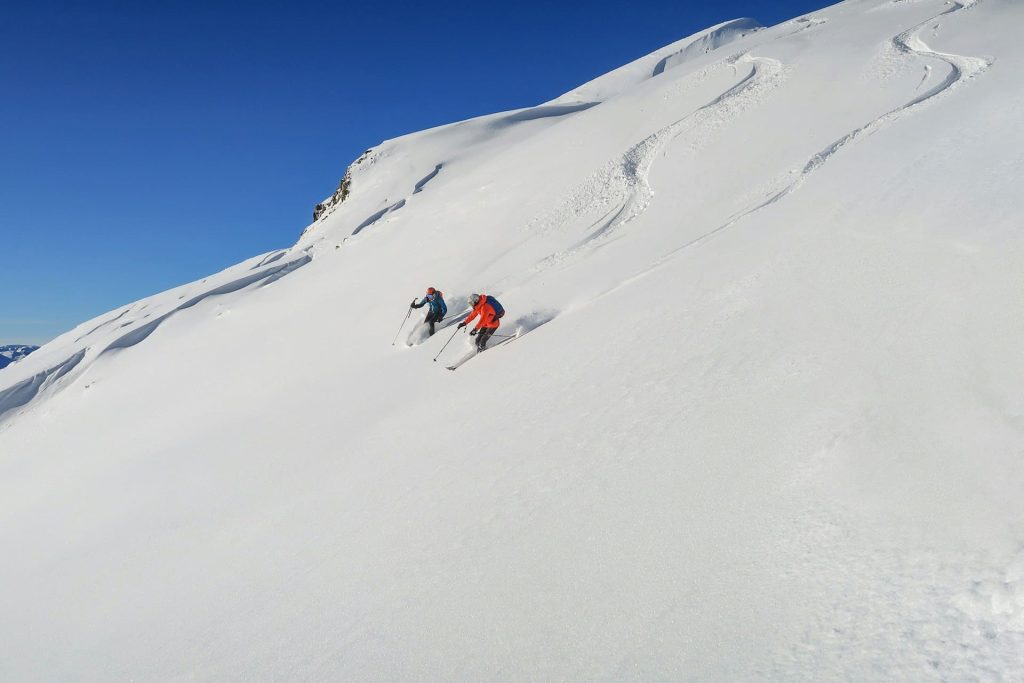
Add in warmer winters, weirder snowpacks and more wind events, and the terrain behaves unpredictably. A slope that looked fine last week behaves like a trap this week.
What Riders Need to Understand
Sidecountry terrain is not forbidden. It is not evil. It can be fun and safe when you approach it with the right mindset. The trouble is that most people treat it like a casual shortcut.
If you want to ride sidecountry, treat it with the respect of backcountry.
Bring a transceiver, shovel and probe. Learn how to use them. Check the local avalanche bulletin. Understand terrain traps, rollovers and wind loading. Ride with people who can dig you out fast if something goes wrong.
If that sounds like too much effort, there is no shame in staying on the piste or hiring a guide for a day. The mountain does not care about confidence. It cares about conditions and physics.
Final Thoughts
Sidecountry is growing because it looks accessible. It feels like a cheat code. You get the untouched snow without the big commitment. But the danger is the same as real backcountry and sometimes worse because people step into it with no preparation.
I see the appeal. I ride it myself. I also know how quickly it bites when the snowpack is unstable or when someone follows a track they do not understand.
If you want the simple rule of thumb:
If you cross a rope, treat it like backcountry.
If you would not step into that slope five kilometres from the resort, do not step into it five metres from the piste.
