
Snowboards don’t exactly have an expiration date stamped on the topsheet. But they also don’t last forever. Ride a board long enough and one day it’ll feel different under your feet. Flatter. Softer. A little lifeless. That’s when you know the clock has run out.
I used to believe a snowboard could last as long as you wanted it to. Wax it, tune it, avoid rocks and it’d be good for life. Then I started working in a shop and later teaching on the hill. That’s when I realized boards age in ways you can’t always see… and yes, they do wear out.
So how long do snowboards really last? Let’s break it down.
The Core Loses Its Pop
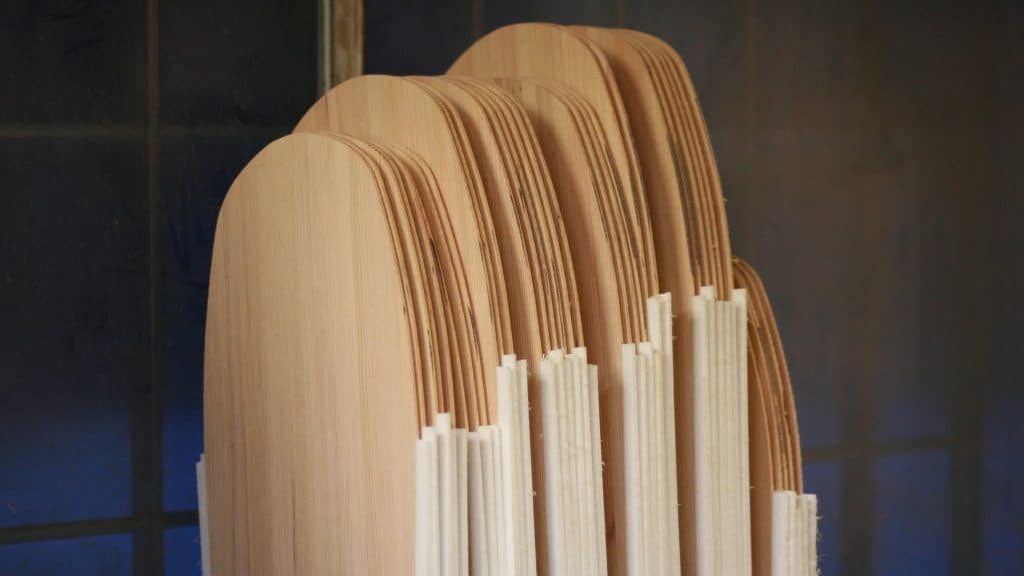
Every snowboard starts with a wood core. That core is what gives the board its flex, pop and energy. The more you ride, the more that core gets stressed. Tiny flexes and rebounds, day after day, season after season.
At first the board feels snappy. Then, a few years later, it feels kind of… dull. Not broken, just muted. I’ve had boards that went from spring-loaded to soggy noodle in three winters, even though the topsheet looked brand new.
If you ride park or slam side hits all day, you’ll notice it faster. Heavier riders also push more force through the board, which wears the core down sooner.
Camber and Rocker Flatten Out
Snowboard profiles don’t hold forever either. A cambered board has that lively arch when it’s new. Over time, the arch flattens. The board still works, but the rebound just isn’t there anymore.
Rockered boards change differently. They can feel looser with age, like the bend exaggerates as the core softens. Either way, the profile drifts from what you bought, and that changes the ride.
The Base Gets Tired Too
Most riders focus on edges and topsheets, but the base is quietly wearing down every run. Snow isn’t as soft as it looks. Ice, grit and the occasional hidden rock scratch away at it.
Wax helps, but it’s not magic. After enough tunes, you eventually grind the base thinner and thinner. I’ve seen boards where the base was so worn you could almost see light through it. At that stage, you’re running on borrowed time.

Edges Don’t Last Forever
Edges are like teeth. You can sharpen them over and over, but eventually there’s nothing left to work with. Each tune shaves off a little more metal until they’re thin and weak.
Then there’s impact damage. Smash a rock or clip a rail and you might crack or pull an edge out. Once that separation starts, it usually spreads. You can patch small spots, but big blowouts are hard to come back from.
I’ve seen plenty of riders cling to an old board with half the edge hanging loose. Sure, you can squeeze in a few more laps, but at some point it’s a safety risk.
Topsheet Abuse and Delam
The topsheet doesn’t really affect performance, but it tells the story. Chips around the nose, cracks by the bindings, bubbling where water sneaks in — it all adds up.
Delamination is the big one. That’s when the layers of the board start to peel apart. You can clamp and glue tiny spots, but once it spreads you’re fighting a losing battle. When a board starts delamming badly, it’s usually game over.
So How Long Does a Snowboard Last?
There’s no universal answer. It depends how often you ride, how hard you ride and how much abuse the board takes. But here are some rough timelines I’ve seen:
Weekend warriors: 3–5 years easy if you take care of it
Park riders and heavier chargers: sometimes only 1–2 seasons
Instructors and shop rats: riding daily can kill a board in one year
Personally, I figure if you’re riding 30–40 days each season, you’ll start noticing a drop-off around year three or four. That doesn’t mean the board is trash, but you’ll feel the difference.
Signs It’s Time for a New Deck
It feels floppy and lifeless compared to when you bought it
Camber has flattened or rocker feels exaggerated
The base is thin from too many tunes
- The base has had one too many core shots – PTEX repairs can only do so much
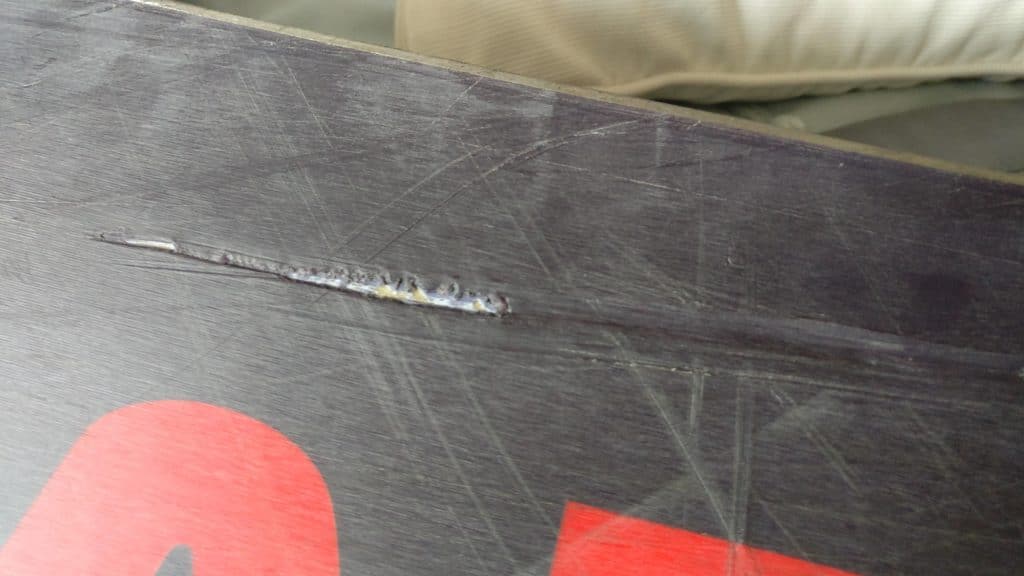
Edges are cracked, pulling out, or won’t hold sharpness
Delam spots keep popping up
- The board feels slow, no matter how often you’re waxing it
One or two of these issues aren’t fatal, but stack them together and it’s usually not worth fighting anymore.
The other thing to consider is board tech. If your board is super outdated, new board tech is worth trying if you haven’t upgraded in 5+ years.
Can You Stretch a Board’s Life?
Yes, absolutely. Treat your board well and it’ll treat you back.
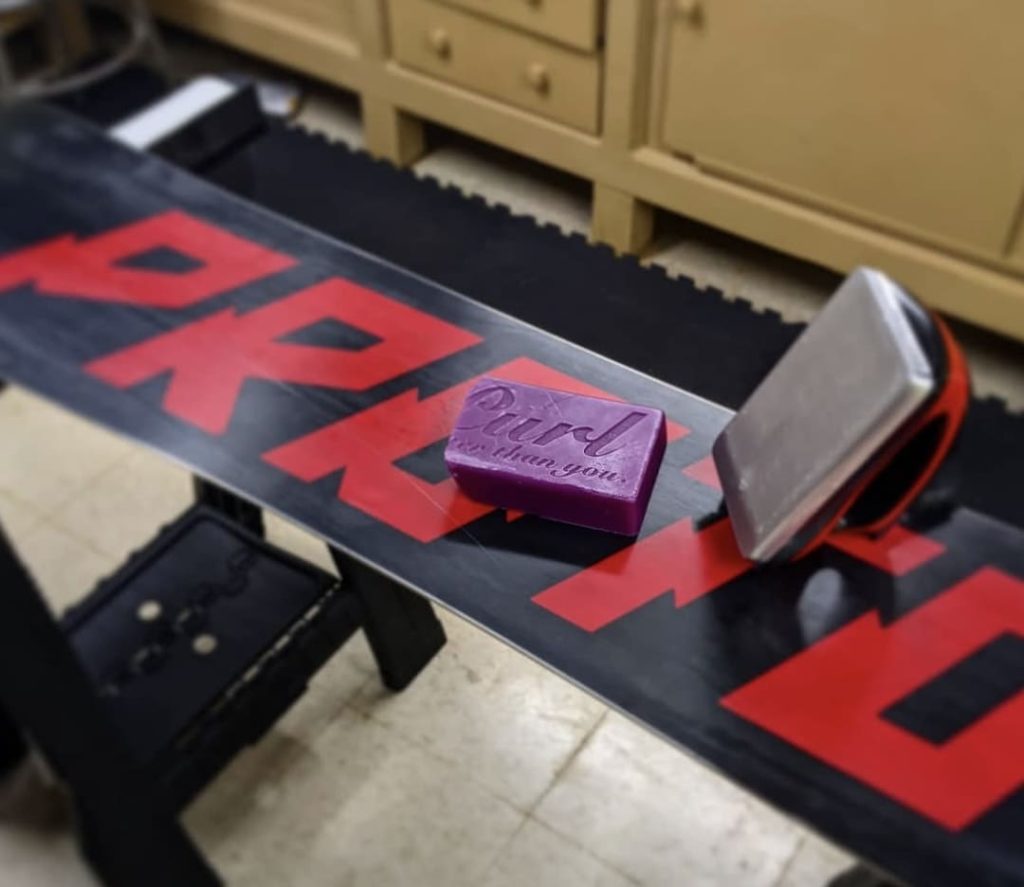
Wax regularly (don’t wait until it’s bone dry). Use respectable snowboard wax only!
Keep edges sharp before they’re wrecked
Dry the board after riding so water doesn’t seep in
Store it in a cool, dry spot over summer, not in a hot garage
Those little habits add seasons of life to a board.
My Take as a Rider and Instructor
I’ve killed boards in a single season from daily lessons and laps. I’ve also kept a beat-up old stick alive for years because it still felt fun in spring slush. Boards don’t suddenly “expire.” They fade. Slowly, until one day you strap in and realize the spark is gone.
That’s when you know it’s time. Not because it looks bad, but because it feels dead under your feet.
Final Thoughts
Snowboards do wear out. The core softens, the profile changes, the base thins and the edges lose bite. It doesn’t happen overnight, but it does happen. If your board feels flat and lifeless, that’s not you imagining things. That’s seasons of riding showing up under your boots. When the time comes, don’t be afraid to retire it. It just means you’ve made the most of it — and now you get to break in something fresh. New board time baby!

Thanks for this. I ride 30-40 days a year and you put it perfectly in perspective.
Thanks Gregg, much appreciated. Have an epic season!