
A Safer (But More Expensive) Route
If you’ve got some savings or you’re risk-averse, you can always organize your own setup. Book accommodation early, grab an early-bird season pass, and lock everything in before the snow hits. It costs more upfront, but it means you’re not dependent on a job working out just to have a place to sleep or a lift ticket in your pocket. It’s a safer way to do a season, especially if you’re not planning to work for the resort.
4. Living Situations
Staff Accommodation
This is what most people picture when they think of ski season housing. Usually a shared dorm-style setup. You’ll have a bunk bed or a tiny single, sometimes with one roommate, sometimes with three or four. It’s tight. You won’t have much space or privacy. But honestly, you’re hardly ever in your room except to sleep (and maybe nurse your hangover).
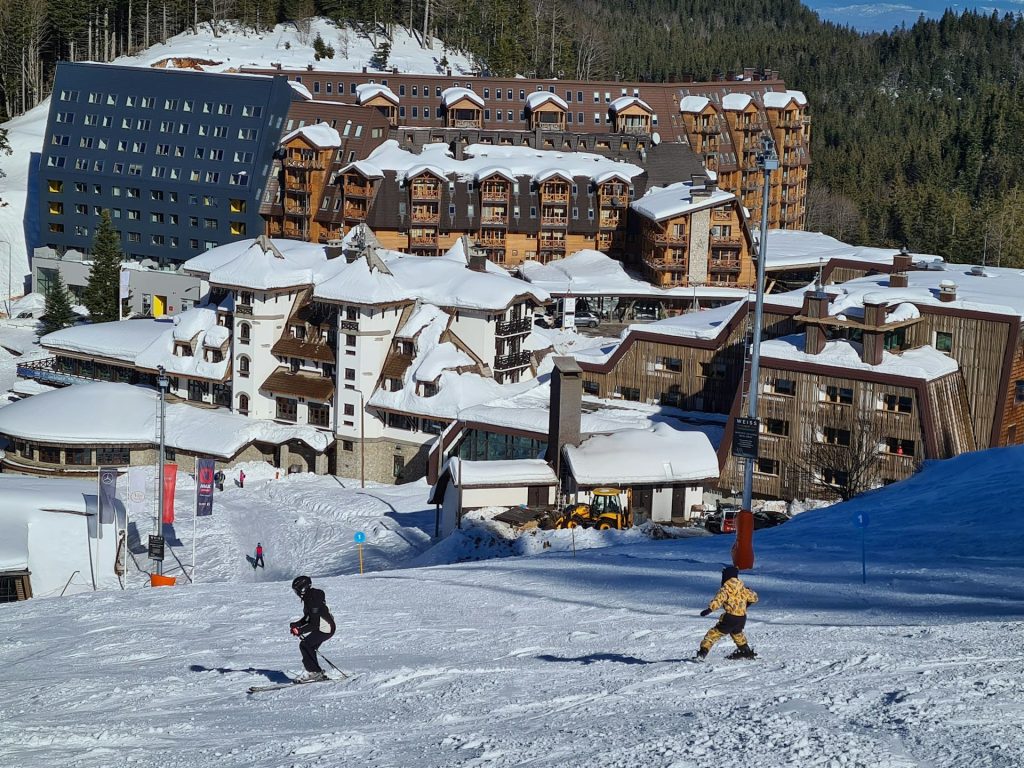
Private Accommodation
If you’ve got the money – or you’re quick to organize – you might land something more comfortable. Think rental apartments with a few other seasonaires. Nicer digs, but usually more expensive and possibly further from the lifts.
The People
This is the part no one warns you about: the friendships hit fast and deep. You live, work, and ride together. You share food, stories, hangovers, and powder days. It starts chaotic, but by week two, it already feels like home. These are the people you’ll talk about for the rest of your life. And if you keep doing seasons, you’ll keep bumping into them at other mountains, in other countries. It’s like an underground network of snow-chasing misfits. And it rules.

5. The Not-So-Glamorous Stuff
Saving Money Is Tough
Even if you’re good with cash, you’ll be lucky to save much. You’ll cover rent, food, and beers. Maybe scrape together enough for a flight to the next mountain. But don’t expect to come out ahead.
Privacy Is Limited
Doesn’t matter if it’s staff housing or private – there’s a good chance you’ll be sharing a room. You’ll get used to it, but some days, all you’ll want is a quiet space that smells less like socks.
Post-Season Blues
When it ends, you’ll feel weird. Re-entering the real world is disorienting. Suddenly you’re back where people care about careers and brunch spots and you’re just sitting there wondering when it’s going to snow again.
Winter FOMO Is Brutal
If you take a break from seasonal life, it’ll hit you hard. Your phone will light up with videos of your old crew slashing powder, hooting in tree runs, drinking beers in hot tubs. You’ll feel it in your chest. And you’ll want back in.
6. Picking the Right Resort
Not all ski towns are created equal. Some are party-heavy (hello, Whistler), some are remote and rider-focused (like Revelstoke), and others feel more corporate or family-friendly. Your experience will vary massively depending on where you land.
A few things to consider:
Snow reliability (do you want powder days or bluebird park laps?)
Cost of living (some towns are crazy expensive)
Size of the mountain (bigger resorts offer more variety, but can feel more anonymous)
Vibe (party scene, mellow, international crowd, etc.)
If it’s your first season, you probably want somewhere with a big community of seasonaires. You’ll feel less alone and more plugged in from day one.
7. Gear You Actually Need
Don’t bring your entire closet. But don’t show up unprepared either.
Must-haves:
A good snowboard or ski setup that suits your terrain
Two pairs of gloves (you’ll soak/ruin the first)
Decent base layers (you’ll wear them every day)
Solid outerwear kit
A helmet (seriously)
A party shirt or something dumb for themed nights
Most other stuff you can grab in town or borrow. But showing up with the basics means you’re ready to ride from day one.
8. What No One Tells You
A few quick-fire truths people usually learn the hard way:
Everyone smells bad after riding. Just accept it.
Your boots will become your most prized possession.
You will work hungover. A lot.
Local discounts are your financial lifeline.
Someone always gets fired. Don’t be that person.
The locals know where the real powder stashes are. Be nice to them.

Should You Do It?
Yes. A hundred times yes.
You won’t make much. Some days you’ll be cold, tired, and wondering why your room smells like wet gloves and instant noodles.
But you’ll also get more out of one season than most people get from five years of “normal” life.
You’ll ride almost every day. You’ll make friends from around the world. You’ll work weird jobs, survive sketchy living situations, and laugh until your face hurts. You’ll come home with stories. And then you’ll probably book another season.
So should you do it?
Do it.
And if you’ve got questions, drop them in the comments. Or just quit your job and figure it out on the mountain.
See you out there.

Hey! Just read your article about working a ski season, and found it so helpful! I just had a few questions;
1. Can I work in most ski areas as a waitress or other being 17?
2. How is the lonliness, I’ve never been away from home and I was worried about the homesick?
Thanks!
From, Liv
Hey Liv. Thanks! What country are you looking into? In the states, waitressing at that age will be a no-go in most resorts. Europe are significantly more relaxed. And loneliness won’t be an issue beyond the first week or so. Everyone out there is in a similar boat. You’ll be surprised how quickly you find your people… particularly if you’re working in the resort itself. Obviously your first time away from home is always tricky, but doing it somewhere as exciting as a ski resort is a great distraction! Thanks, Mike & Jess