
I didn’t take naturally to being in the air on a snowboard.
Riding? Fine.
Speed? Fine.
Pointing it down something stupidly steep? Also fine.
The second my board left the snow though, everything felt awkward and slightly out of control. I’m not built for flight and never will be, but I’ve learned how to stay calm and ride it out instead of flailing until the landing shows up.
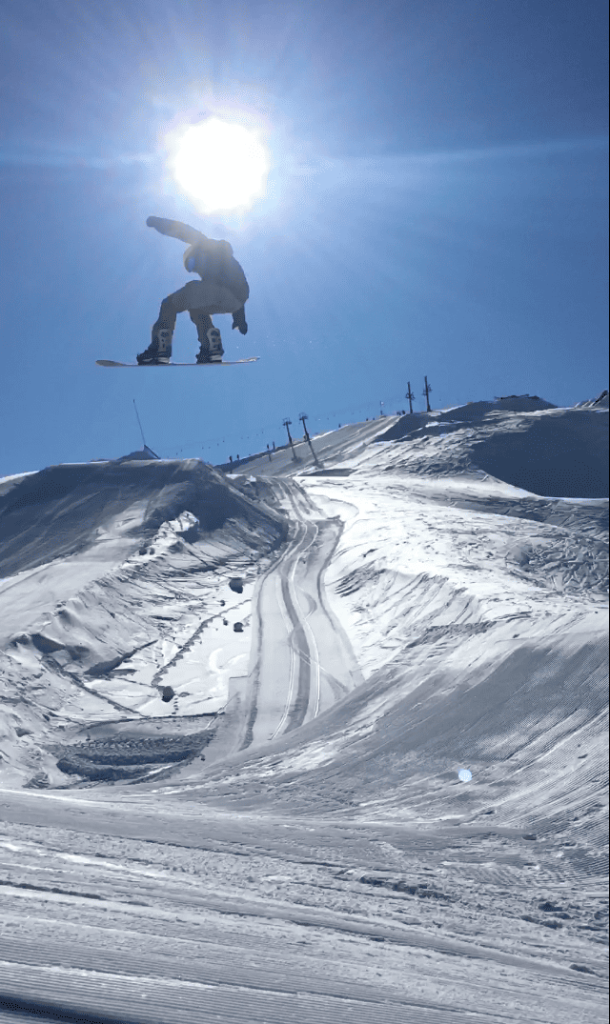
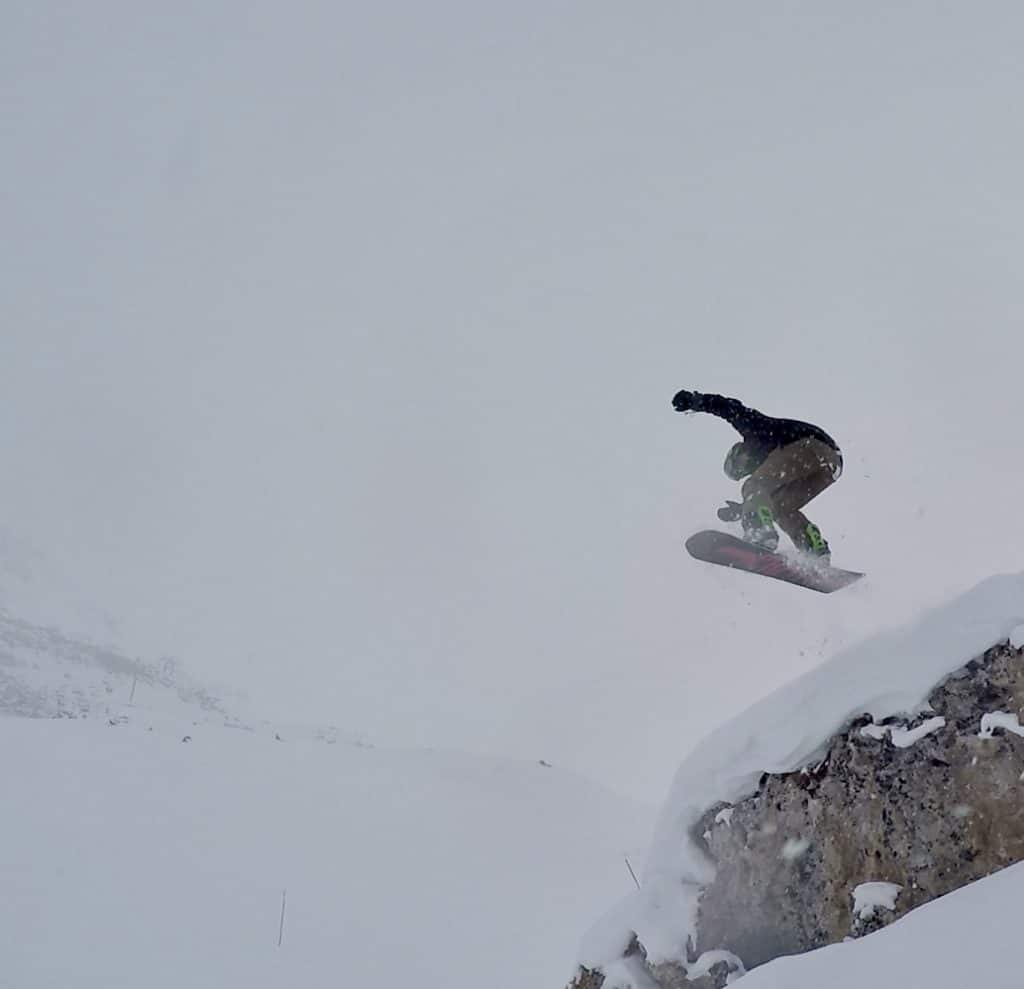
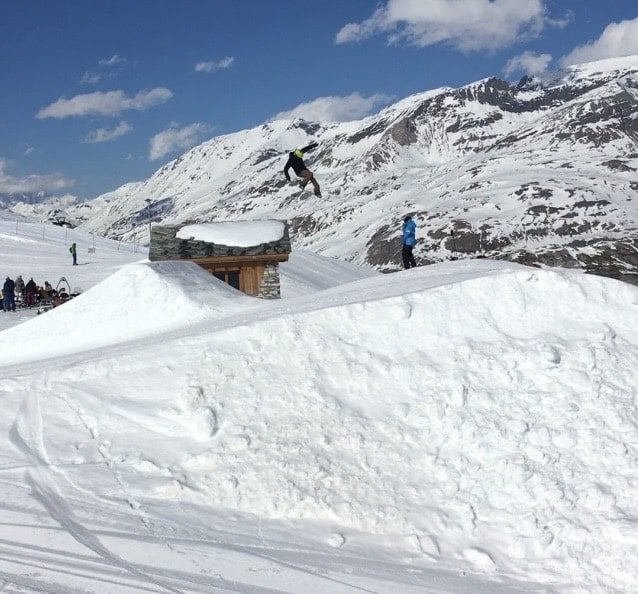
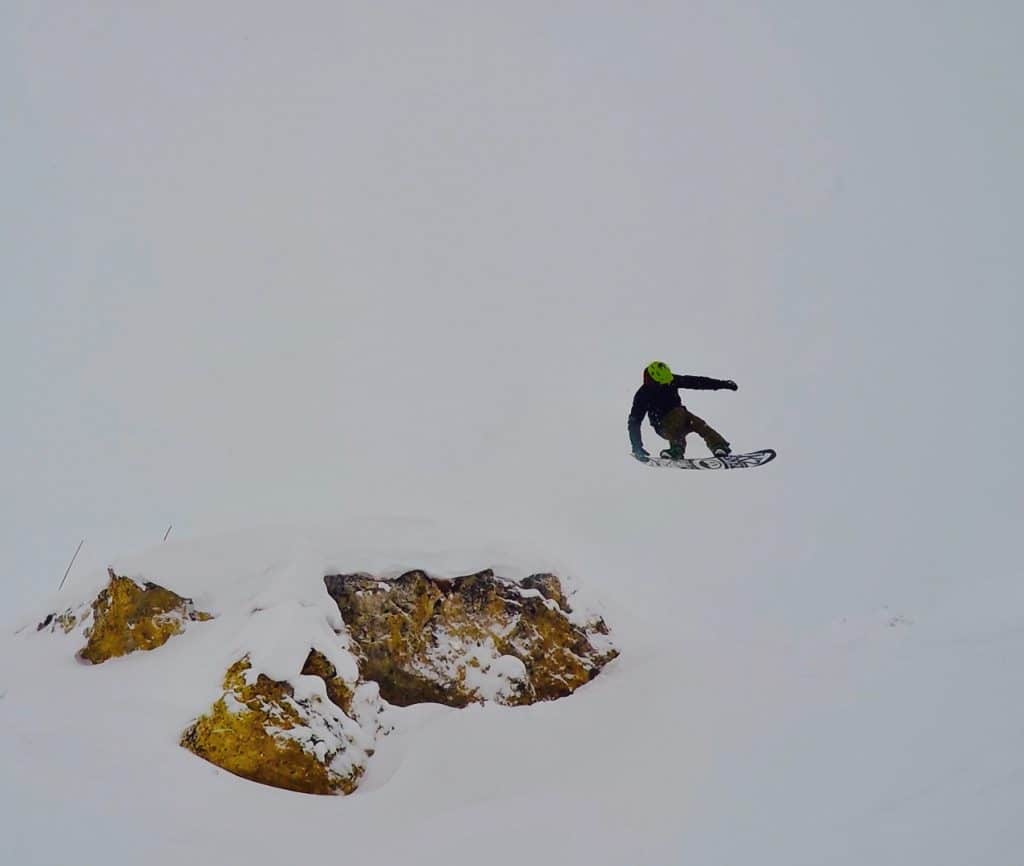
Here are a few of my hard-earned tips. I’ll also include some of my old school “airtime” shots to evidence my struggle.
1. It's Not Always About Going Bigger
If airtime feels sketchy, going bigger usually makes it worse. That was one of my slower lessons.
Most of my progress came from winding it back to basics. Features that barely counted as jumps. Side hits. Rollers. Small lips where I could leave the snow on purpose and land clean without drama. The point was not height. It was getting rid of that split second panic when the board leaves the snow.
If you only get air when something launches you, you never really feel in control of it.
2. Slow things down
Speed can make you feel brave. It can also hide bad timing.
What helped me personally was backing things off and actually feeling the board leave the snow instead of getting fired into space. A small, deliberate pop gave me something solid to work with. I knew when I was taking off. I knew what my body was doing.
Once I stopped relying on speed, airtime stopped feeling rushed.
It also teaches you to control the lift off… which comes in really handy when adding in grabs down the road.
3. Stay over the board
A lot of my worst airtime came from drifting forward or reaching for the landing.
The moment your weight moves away from the middle of the board, everything starts to feel unstable. Landings get heavy. Balance disappears.
What worked was simple and unglamorous. Stay stacked. Let the board come back to the snow underneath you instead of trying to go find it. When I stopped chasing the landing, things improved fast.
Practice riding into small kickers or drop offs. Keep your board tracking straight, take off flat based if needed, avoid setting too much of an edge. Shoulders, arms and lower body should all be aligned.
4. Stop bracing for impact
Easier said than done right? Trust me though, zero aspects of snowboarding are helped by being rigid and tensed up.
But for a long time, I treated every landing like something I had to survive.
That tension shows up in the air. It makes you stiff. It makes even small jumps feel harsher than they should. Once I focused on absorbing landings instead of locking everything up, airtime stopped feeling like a problem I had to solve mid-flight.
Soft legs. Let the board flex. Ride away.
5. Repetition Is Key
This is the boring part. It also mattered more than anything else.
I hit the same type of features over and over. Same size. Same shape. Same feeling. Not chasing variety. Not chasing progression for the sake of it.
When airtime stopped feeling like an event, my body stopped overreacting. That is when control showed up.
Don’t try to progress onto spins, grabs or inverts before mastering the straight air.
6. It Took Way Longer Than I Expected
Getting better in the air took longer than I thought it would.
I assumed it would fix itself if I rode enough. It didn’t.
It took years of chipping away at small, repeatable airs and paying attention to what actually felt wrong. Some seasons it clicked more than others. None of it came from forcing myself into bigger jumps.
I am still not graceful. I am just calmer.
The only thing I should mention – I spent a lot of time wakeboarding in the off-season. This worked wonders for my air awareness, particularly when I started experimenting with inverts.
Final Thoughts
What finally changed things wasn’t confidence or commitment or any of that. It was noticing exactly where things went wrong and spending dedicated time fixing only that.
Every time airtime felt bad, it was the same pattern. Too much speed. Late (or no) pop. Weight drifting forward. Then a heavy landing that confirmed my suspicion that I was bad at being airborne. None of that meant I couldn’t jump. It meant I was sloppy at the moment it mattered.
Once I slowed takeoffs down enough to feel them, stayed centered instead of reaching and stopped bracing for landings, airtime became much more familiar.
I didn’t “unlock” anything. I just stopped letting small mistakes compound.
That’s it. Nothing clever. Nothing sexy. Just fewer things going wrong at once. Boring is often best when it comes to progression.
Hope that vaguely helps!

