
If you ask a shop tech, you’ll probably hear that you should wax your skis after every single day. That sounds good for business, but in real life it’s not how most of us ski.
Wax does matter. It makes skis faster, smoother and keeps the base from drying out. But the idea that you need to hot wax after every trip is overkill. I’ve skied whole weeks without touching wax and my bases were still fine. I’ve also had days where two runs on man-made snow stripped them dry.
The truth is it depends on the snow, how much you ski and how picky you are. Forget the one-size-fits-all answer and learn the signs.
Why Wax Matters at All
Fresh wax makes skis glide instead of drag. It also keeps the base from chalking out and losing life. Ignore it long enough and your skis get slower and more tired every season.
I don’t wax because I want to baby my skis. I wax because it feels better to ski on a base that’s alive. Oh, and always use a respectable ski wax. Most of the cheap offerings are trash.

Conditions Make the Biggest Difference
Cold, dry snow and artificial snow chew through wax fast. You can go from fresh to bone dry in a weekend. Powder barely touches it. I’ve ridden powder skis for weeks without waxing and they still felt fine.
If you ski mostly groomers in the Northeast, you’ll be waxing a lot more than someone floating around Utah or BC. The mountain dictates the schedule more than the calendar.
Signs Your Skis Need Wax
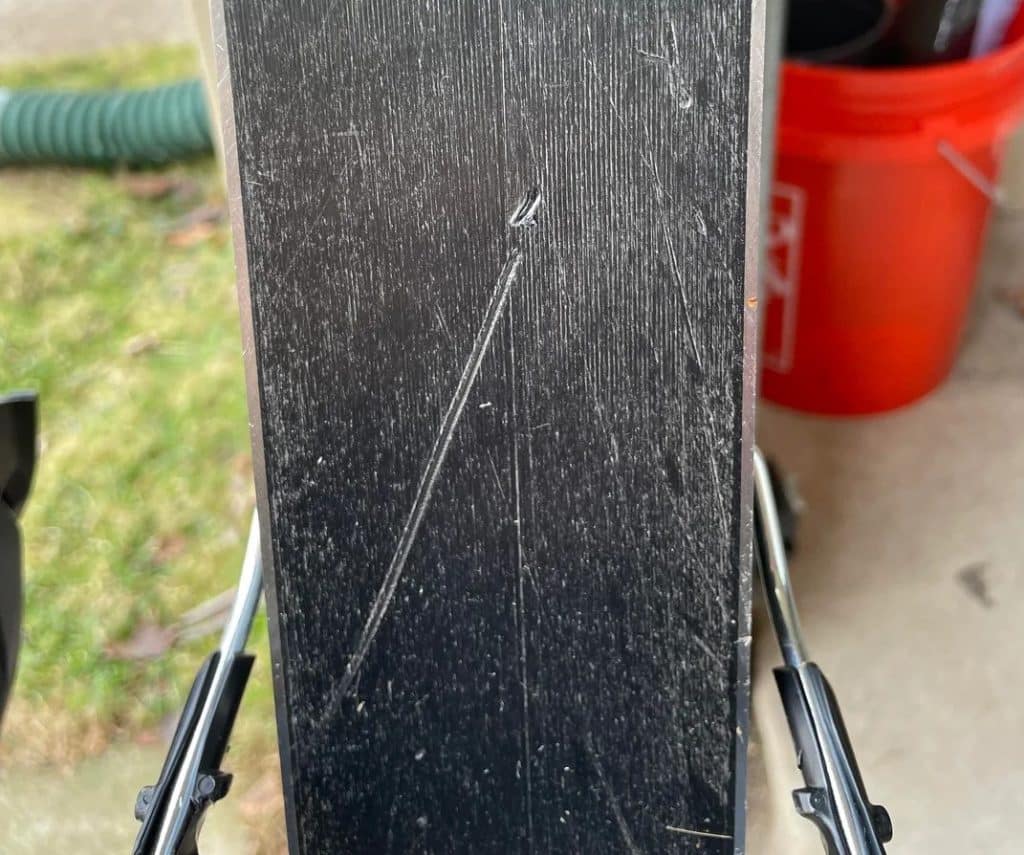
The easiest way is just to look. If the bases have white, dry patches, they’re thirsty. On snow, the giveaway is speed. If you’re skating across flats while your friends coast, your skis are overdue. In warm spring snow, dry bases feel sticky instead of smooth.
I’ve even heard skis squeak when they’re bone dry. Rub your hand along the base and if it squeals like plastic on plastic, that’s wax crying out for help.
Hot Wax vs Quick Fixes
Those little rub-on sticks or shop “express” waxes can save you for a day, but they don’t last. The only real fix is a hot wax with an iron. That soaks wax into the base instead of just smearing it on top.
I’ve seen people go a whole season bouncing between quick fixes and complaining their skis still felt slow. Spend thirty minutes with a wax iron and the difference is night and day.
My Take
Do skis need wax every trip? No. That’s shop talk, not reality. Most skiers can go multiple days, even weeks, before it really matters. What matters more is paying attention. Look at your bases. Feel how they glide.
If your skis look dry or ride slow, give them a proper hot wax. If they still look dark and smooth, ride them. Wax is important, but you don’t need to waste your time or money doing it after every single day.
Final Thoughts
Wax keeps skis fast and healthy, but not every trip. Cold, icy snow wears wax fast. Powder barely touches it. Learn to spot the signs of a dry base and wax when you need it. For most skiers that means every few days, not every single run.
