
There’s a point in backcountry skiing where progress stops looking like better lines and starts looking like better decisions.
After more than a decade of touring, skiing with people far better than me and watching very good skiers make very bad calls, one thing has become obvious. If you’re doing this right, you cancel more plans than you make.
Not because you’re scared. It’s because you’re paying attention.
Most accidents don’t come from people who don’t know better. They come from people who know just enough to talk themselves into going anyway. Familiar terrain. A decent forecast. A partner who’s already packed. “Probably fine” has put a lot of strong skiers in bad situations.
This article (or rant) is about catching bad setups early. Turning around before ego, effort, or momentum make the call for you. Being okay with a day that never happened because you want to ski next season too.
This isn’t avalanche education 101. It’s the part you only learn after enough seasons to know that the best decision you’ll ever make out there usually happens before you click in.
How bad days really start
Most bad backcountry days do not start with obvious red flags.
They start with things that feel reasonable. A forecast that is not great but not alarming. Terrain you have skied before. A plan that sounds conservative enough when you say it out loud.
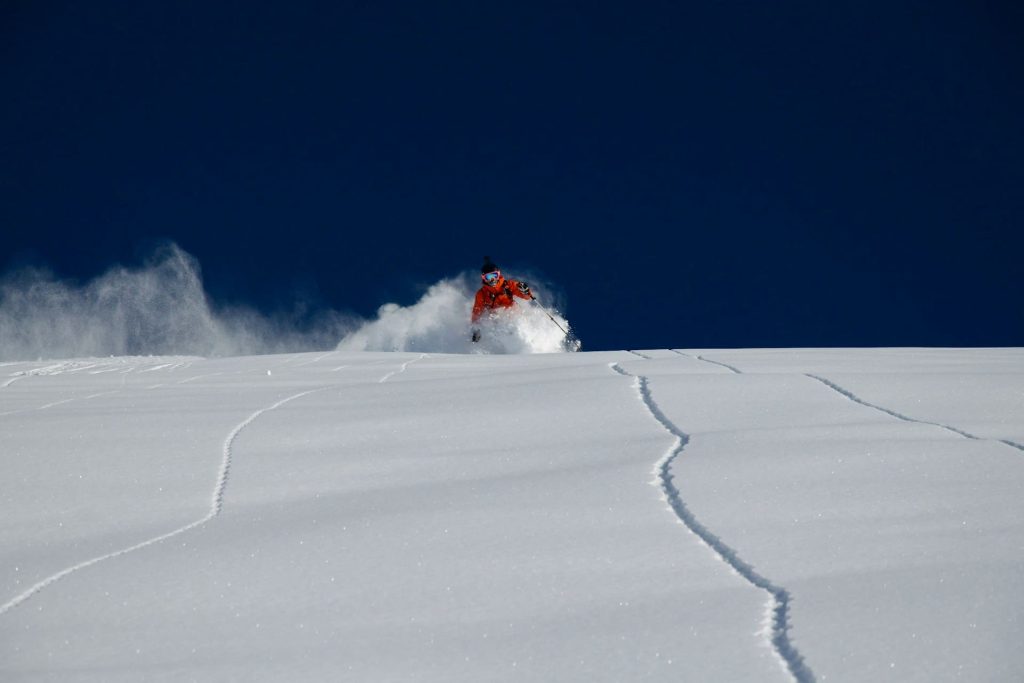
This is where experience kicks in. Not by making you fearless, but by making you suspicious.
You learn that trouble rarely announces itself. It creeps in.
Familiar does not mean safe
Familiar terrain is one of the most dangerous traps going.
You have history there. Good days. Familiar lines. Muscle memory. That history lowers your guard.
A slope you’ve skied ten times without issue does not care about that history. Conditions reset. Snowpacks change. You change.
A lot of serious accidents happen close to home, on terrain people thought they understood. Experience teaches you to question familiarity, not trust it.
Momentum makes decisions for you
Once you’re moving, it gets harder to stop.
You woke up early. You drove. You skinned. You gained elevation. Every step adds pressure to keep going.
This is why catching bad setups early matters so much. The best decisions often happen at home, over coffee, or at the trailhead. Not halfway up the skin track when turning around feels like failure.
Experience teaches you that momentum is not your friend. It is just another force to manage.
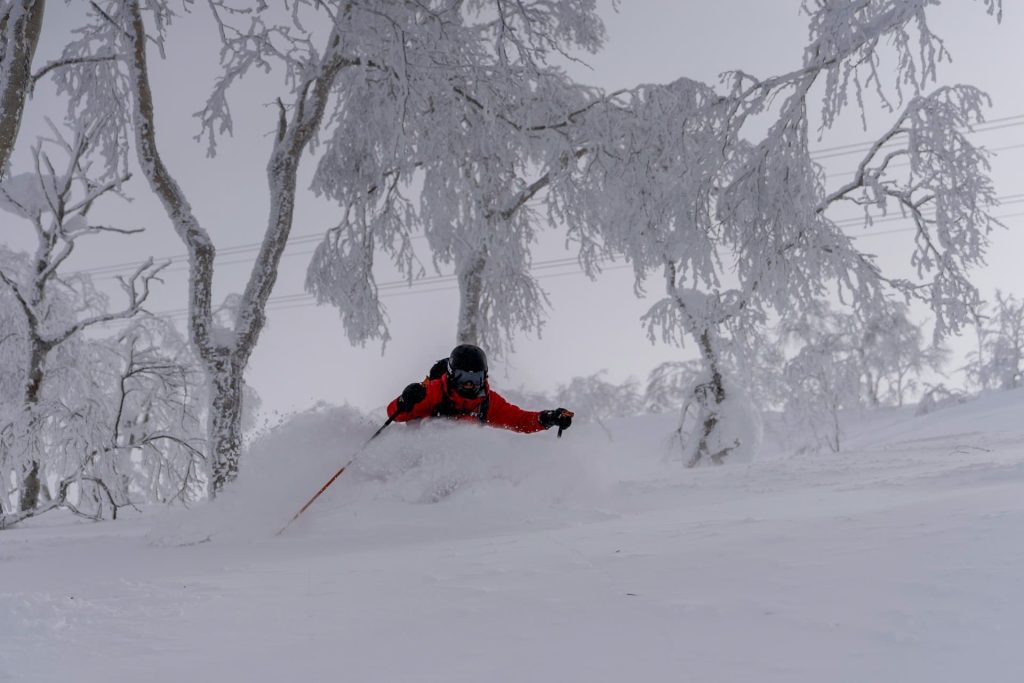
Hype makes this worse. Powder is fun. It’s part of why people ski. But when everyone is fired up, plans harden fast. Caution starts to feel like negativity. Backing off feels like ruining the day.
That is usually the moment to slow things down. Not because the day is doomed, but because group excitement has a way of drowning out quieter signals. If everyone is certain it’s on, that certainty deserves a second look.
Partners change the equation
Good partners make better decisions. They also make worse ones.
Not because they’re reckless, but because social pressure is real. No one wants to be the person who shuts it down. No one wants to waste someone else’s day. No one wants to look overly cautious when everyone else seems comfortable.
Experienced groups talk about this openly. They name it. They build space for dissent. If you cannot say “this feels off” without defending yourself, the group is already compromised.
Forecasts are not permission slips
Avalanche forecasts are essential. They are not green lights.
They tell you what problems exist. They do not tell you how your day should look. They do not account for your terrain choices, your timing, your partners, or your tolerance for consequence.
A moderate day in the wrong place can be far more dangerous than a considerable day managed well. Experience teaches you to read forecasts as boundaries, not invitations.
Cancelling is a skill
Calling it early is not weakness. It is a learned skill.
It takes practice to shut things down before they get exciting.
It takes confidence to say today is not the day and mean it.
The best backcountry skiers I know do this regularly. Quietly. Without drama. They turn around more than anyone talks about because they are still skiing years later.
What experience actually looks like
From the outside, experience looks boring.
Fewer big lines. More conservative choices. More days that end early or never start. From the inside, it feels calm. You stop forcing days. You stop arguing with your gut. You stop needing every plan to work.
You realize that the goal is not to go today. The goal is to keep going.
Final thoughts
If this sounds overly cautious, it probably means you have not been scared yet. If it sounds familiar, you’re already learning.
Experience in the backcountry is not measured by what you ski. It is measured by what you choose not to.
Most of the time, the smartest decisions you will make happen before you click in.
