
Short answer… it depends what you want.
Longer answer: there is no single “best” time that works for everyone, and anyone who tells you otherwise is either oversimplifying or selling lift tickets.
Snow quality, crowds, weather, prices and your own ability level all change massively through the season. What feels like a dream trip for one rider can be miserable for another.
So instead of giving you one month and calling it done, here’s how it actually breaks down.
Quick Answer
The best time to ski or snowboard depends on what you want. For the most reliable snow, aim for January and February in the Northern Hemisphere. For fewer crowds, better value, and a more relaxed vibe, late March is hard to beat. In the Southern Hemisphere, July and August are usually the safest bet.
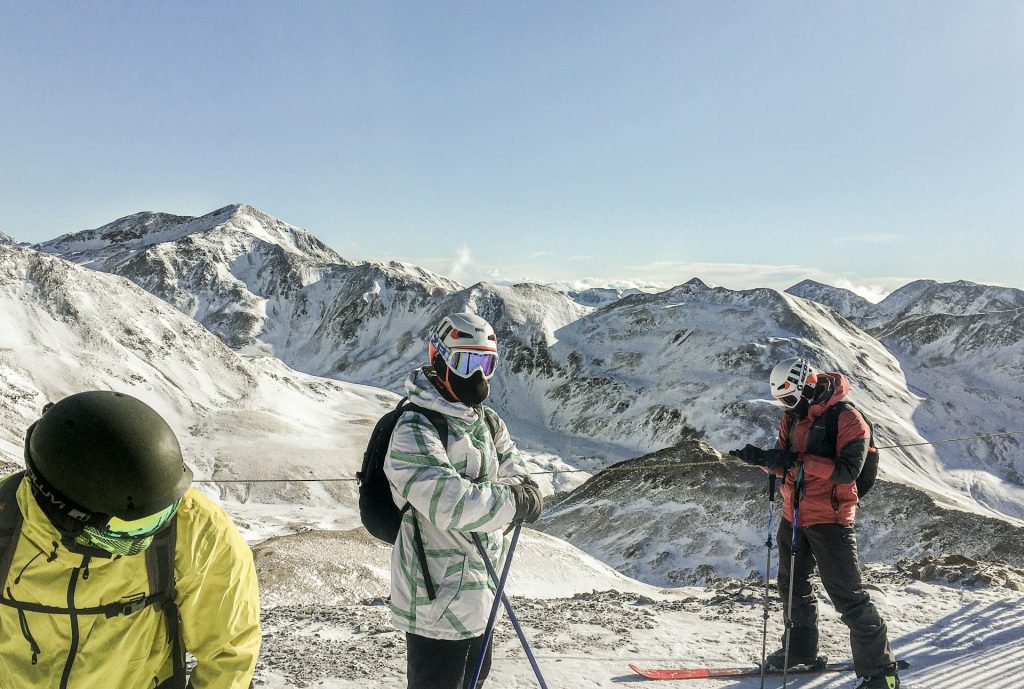
Early Season (November to December)
Early season is optimistic.
This is when everyone is excited, snow reports are checked obsessively and people convince themselves that thin coverage “rides fine.”
Sometimes they’re right. Often they’re not.
Pros:
- Resorts are quieter
- Lift tickets and accommodation are cheaper
- Great for getting legs back under you
Cons:
- Coverage can be thin and inconsistent
- Limited terrain is common
- Rocks are very much still a thing
If you’re new, easing back in, or just happy cruising groomers, early season can be fun. If you’re chasing powder or big terrain, it’s usually too early.
Mid-Winter (January to February)
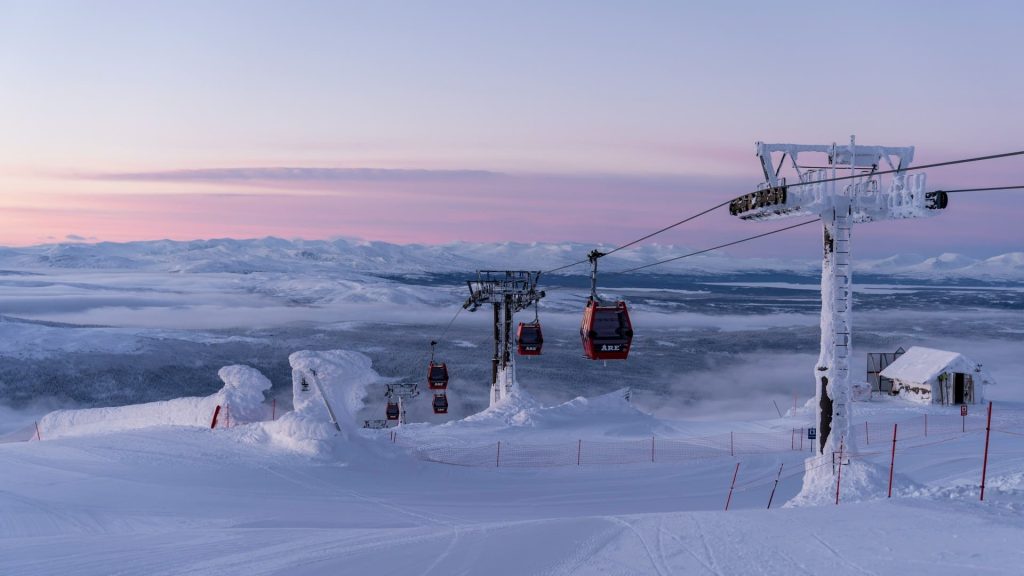
This is what most people imagine when they think of ski season.
Cold temps, consistent snow, deeper bases and more terrain open. If you want the most predictable conditions, this is it.
Pros:
- Best overall snow quality
- Deeper base means fewer rock encounters
- Terrain is usually fully open
Cons:
- It’s cold, sometimes very cold
- Holiday crowds and peak pricing
- Storm days can mean wind holds and flat light
If you can choose only one window and want the safest bet, mid-winter is usually it. Just dress properly and accept that crowds come with the territory.
Spring (March to April)
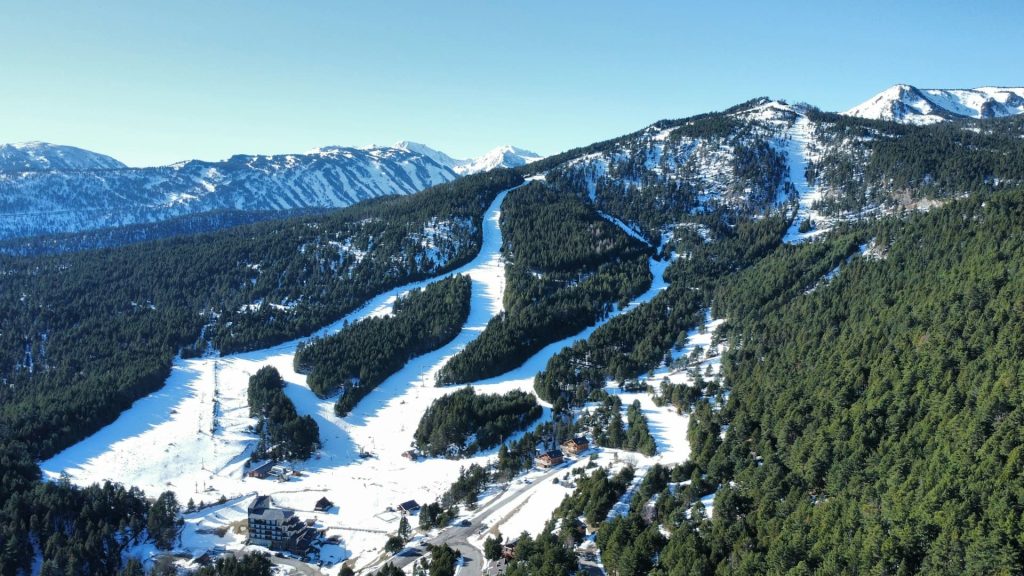
Spring is criminally underrated. I freaking love spring skiing.
Yes, the snow changes, but so does everything else. Longer days, warmer temps, fewer layers and a much more relaxed vibe.
Pros:
- Fewer crowds
- Cheaper lift tickets
- Soft snow that’s forgiving and fun
- Park riding is often at its best
- You can ride in just a hoodie!
Cons:
- Powder is (way) less frequent
- Conditions change throughout the day
- Timing matters more
Spring is fantastic if you like cruising, learning tricks, or just enjoying being on the mountain without freezing. Morning can be firm, afternoons can be slushy, and that’s part of the deal.
Holidays and Peak Periods
Let’s be honest.
Christmas, New Year, and school holidays are usually the worst time to ski or snowboard unless you have no other choice.
Pros:
- Festive atmosphere
- Everything is open and lively
- Stoke levels are high
Cons:
- Crowds everywhere
- Higher prices
- Lift lines that test your patience
If this is the only time you can go, it’s still better than not going. Just manage expectations and plan early mornings and late afternoons.
Southern Hemisphere (June to October)
If you’re looking south, flip the calendar.
Ski season in the Southern Hemisphere usually runs June through October, with July and August being the safest bets for coverage and terrain. Places like New Zealand, Australia, Chile and Argentina can deliver genuinely great riding, but conditions are a bit more variable than big Northern Hemisphere resorts.
Pros:
- Smaller crowds
- Mid-year ski fix
- Incredible scenery
- Can be good value outside peak school holidays
Cons:
- Snow depth can be hit or miss
- Storm cycles are shorter and sharper
- Less terrain overall compared to mega resorts
If you hit it right, Southern Hemisphere skiing is brilliant. If you miss the snow window, it can feel frustrating fast. Timing matters more down there.
So… When Is the Best Time?
Here’s the real answer most people won’t give you.
- For the best snow: January to February
- For learning and progression: March
- For fewer crowds and better value: Early December or late season
- For park riding: Late winter into spring
- For vibes and fun: Spring, every time
The best time is when you can actually go, with conditions that match what you enjoy riding.
A quiet spring day with soft snow will beat a hyped-up powder day spent standing in lift lines for a lot of people. Others live for mid-winter storms and don’t care how cold it gets.
Neither is wrong.
My Personal Favourite Time to Ride
Late March.
Not “spring” in the slushy sense. That sweet spot where the base is deep, the sun is out, jackets stay open and everyone chills out a bit.
Lift lines drop off. Legs feel good. Falls hurt less. You can ride all day without freezing or overheating.
You’re not chasing storms or fresh snow anymore (the irony of this statement is not lost on me). You’re just riding for the sake of it.
If I could only ride one part of the season every year, that would be it. Unless we’re talking about Japan, in which case Japanuary wins every, damn, time!
Final Thoughts
There isn’t one best time of year to ski or snowboard. There’s just the time that matches what you want out of it.
If you care most about snow quality, mid-winter is hard to beat. If you want space, sunshine, and less stress, spring is where it’s at. If you just need to get on snow, early season or the Southern Hemisphere can scratch that itch.
The mistake people make is waiting for perfect conditions instead of riding what’s in front of them.
Go when you can. Adjust your expectations. And remember that a decent day on snow still beats a great day anywhere else.

Ski and Snowboard Season FAQs
That said, March is often better for crowds, comfort, and overall enjoyment if you are not obsessed with powder.
Early season is good for cheaper trips and quiet slopes, but coverage is often thin and terrain limited. It’s more about getting back on snow than finding perfect conditions.
Spring brings softer snow, fewer crowds, and a more relaxed vibe. Timing matters, but for many riders it’s the most fun part of the season.
Christmas, New Year, and school holidays mean higher prices and longer lift lines. The snow can still be great, but patience is required (which I no longer have).
Snow is more forgiving, temperatures are warmer, and conditions are generally easier to learn on compared to icy early season days.
Early December and late March tend to be much quieter, especially midweek.
Snow seasons in the Southern Hemisphere are shorter and more variable, so timing matters more than in the north.
Mid-winter has the most consistent storms, while spring powder is rarer but can still happen in colder regions.
Snowboarders often prefer spring conditions and park seasons, while skiers may prioritise mid-winter snow. The best time still comes down to conditions and preference.
Flexibility matters more than chasing ideal dates. A decent day on snow is usually better than no day at all.
