Picking snowboard bindings shouldn’t be this hard, but the internet has a talent for making simple things painful.
In reality, most beginners don’t need “performance.” They need bindings that are comfortable, forgiving and don’t make learning harder than it already is.
As a snowboard instructor, the options below are ones I’m happy to see beginners riding. Nothing weird. Nothing overly stiff. Nothing that’ll feel like a mistake after a few days on snow.
If you want to get on your board, make progress and stop thinking about bindings altogether, these do the job.
🏆 Best Overall Pick
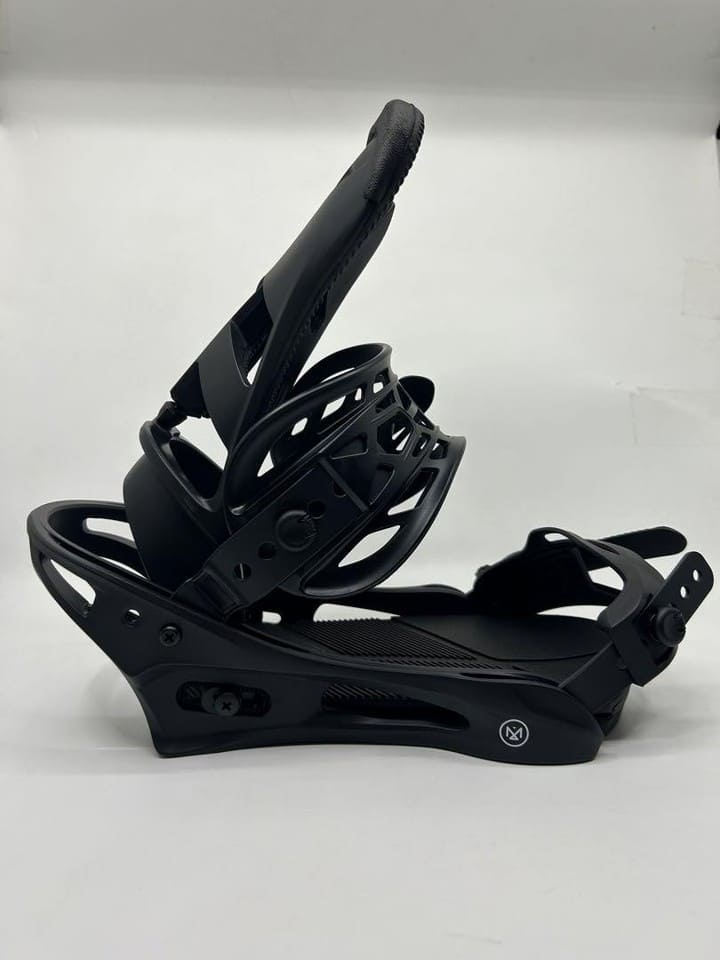
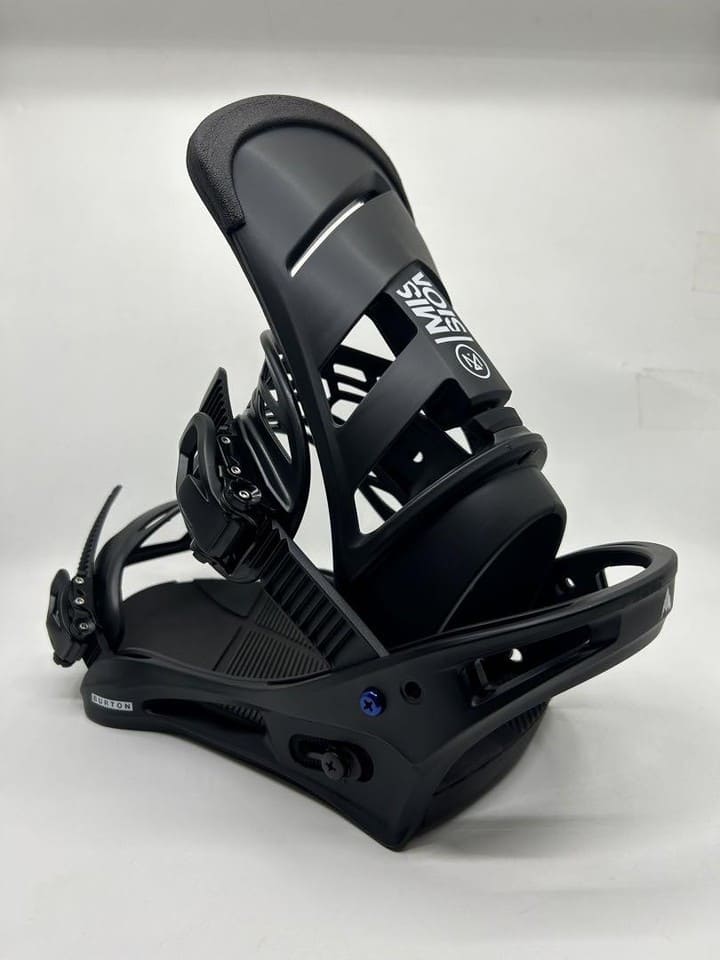
The Burton Mission Re:Flex are the best snowboard bindings for beginners. They’re a versatile workhorse that works now and still feels good once you’re riding faster. Comfortable and supportive without being punishing, and you won’t need to upgrade them anytime soon.
Also available on Amazon.
Top 3 Roundup
Beginner Binding Reviews
1. Burton Mission Re:Flex Best Overall Pick
- Flex: Medium (forgiving but supportive)
- Baseplate: Re:Flex (fits most boards)
- Straps: Comfortable, easy to adjust
- Ride feel: Stable, predictable, confidence-boosting
- Best for: Learning now and progressing later
Also available on Amazon
The Mission is one of those bindings that just quietly works. I’ve seen them on rental fleets, lesson boards and personal setups for years. There’s a reason they keep showing up.
For beginners, they hit a really useful middle ground. They’re supportive enough that you don’t feel sloppy once you start linking turns, but forgiving enough that mistakes don’t get punished. You can ride them cautiously on day one and still feel fine pushing speed and edge angle later in the season.
Comfort is a big part of why I like them for newer riders. The straps are padded, easy to adjust and don’t create weird pressure points. You can crank them down without cutting off circulation, which matters when people are still figuring out stance and balance.
They’re not super exciting. That’s a compliment. You stop thinking about your bindings, which is exactly what beginners need. Easily one of the best snowboard bindings for beginners.
Pros
- Forgiving but supportive flex
- Comfortable straps that are easy to adjust
- Stable feel that builds confidence
- Works well across different boards and riding styles
- Won’t feel outdated once you start riding faster
Cons
- Not the cheapest beginner binding available
- Less playful than very soft freestyle-focused options
2. Burton Freestyle Most Forgiving Pick
- Flex: Soft (very forgiving)
- Baseplate: Re:Flex (fits most boards)
- Straps: Simple, comfortable, easy on/off
- Ride feel: Mellow, predictable, not twitchy
- Best for: First timers and slower progression
If someone is genuinely nervous, unconfident, or just wants snowboarding to feel less hard, the Freestyle is about as easy as bindings get.
They’re soft, forgiving and very tolerant of bad body position. When beginners catch an edge, twist their board, or over-rotate, these don’t bite back. That makes them great for first turns, first chairlift days and anyone who just wants to survive the learning phase with less frustration.
The trade-off is progression speed. You can absolutely get better in these, but once you start riding faster or steeper terrain, you’ll notice the lack of support. They’re not a binding you “grow into” forever, but they are very good at getting people started calmly.
Pros
- Very soft and forgiving for true beginners
- Makes early learning feel less intimidating
- Comfortable and easy to strap in
- Light and simple with no learning curve
- Priced lower than most bindings
Cons
- Limited support once you start riding faster
- Not ideal for aggressive or steep terrain
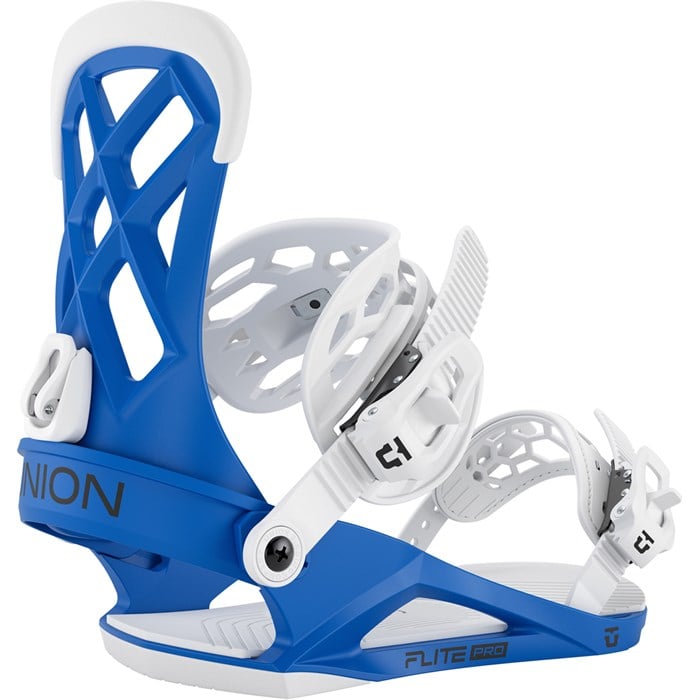
3. Union Flite Pro Best Value Pick
- Flex: Soft to medium-soft
- Baseplate: Light, simple, no fuss
- Straps: Comfortable, easy to set up
- Ride feel: Easy turning, low fatigue
- Best for: Best value for newer riders
I’ve always liked the Flite Pro more than its price tag suggests.
It’s light, comfortable and doesn’t feel flimsy in the way cheap bindings sometimes do. For beginners, that light feel makes turning easier and reduces fatigue, especially on longer days when legs are already cooked.
It’s still on the softer side, but compared to ultra-soft beginner bindings, it holds together better when you start pushing a bit. You won’t mistake it for a hard-charging binding, but for cruising, learning and steady progression, it does a lot right without costing much.
Note: There is also a “non-pro” version of the Flite. I’d skip that one. The Pro is 100% worth the extra 40 bucks – lighter weight, better materials, better straps and still great value.
Pros
- Lightweight and easy to ride all day
- Comfortable straps with no pressure points
- Forgiving feel without feeling sloppy
- Excellent value for the price
- Simple, no-nonsense setup
Cons
- Lacks support for high-speed or hard charging riding
- Not as damp or precise as higher-end Union bindings
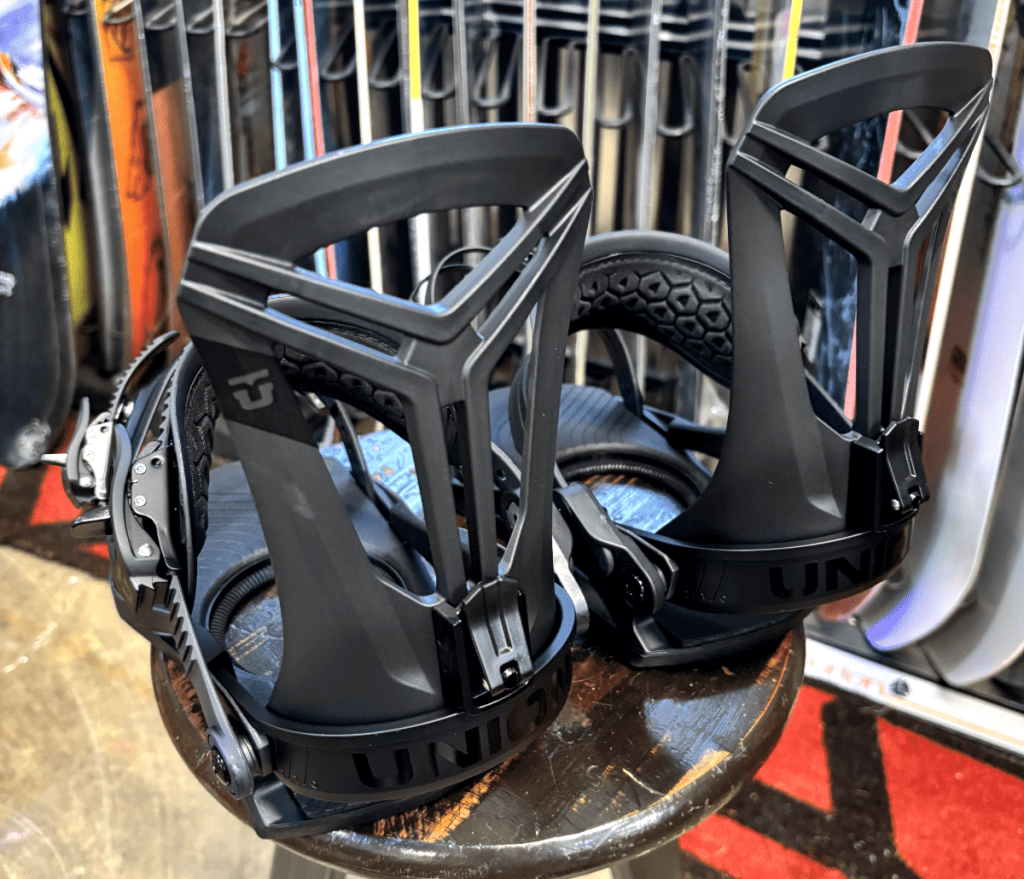
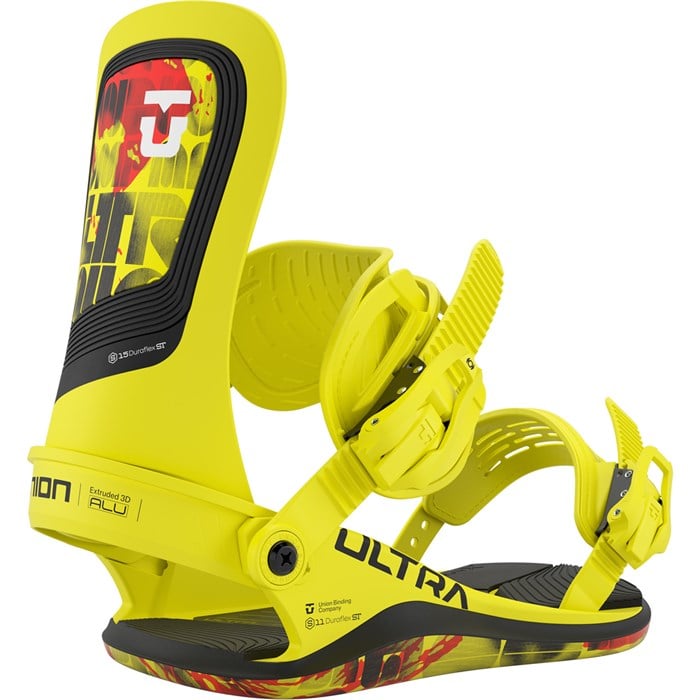
4. Union Ultra Best Progression Pick
- Flex: Medium (step up without being scary)
- Baseplate: More damp and planted than entry bindings
- Straps: Secure fit, good comfort once dialled
- Ride feel: Smoother at speed, more precise edge control
- Best for: Best step up if you are progressing fast
The Ultra isn’t a textbook beginner binding and I think it’s important to say that up front.
That said, if someone is confident, athletic, or just knows they’re going to stick with snowboarding, this is one of the few bindings on this list that can genuinely last into advanced riding without feeling like a compromise. Even more so than the Mission.
What I like about the Ultra is how it manages to feel both forgiving and precise. It has more response and better edge feel than entry-level bindings, but it doesn’t punish you for small mistakes. The board feel is excellent, especially if you’re starting to ride faster, carve harder, or venture into rougher snow.
It’s the binding I point people toward when they say “I don’t want to buy this twice.” You can learn in it, grow into it and still be happy riding it seasons later.
Pros
- Excellent board feel and edge control
- Forgiving enough to learn without feeling sketchy
- Much better long-term progression than beginner bindings
- Comfortable straps with a very secure feel
- Can realistically last into advanced riding
Cons
- Not the easiest binding for very nervous beginners
- More expensive than true entry-level options
5. Burton Step On Quick-Entry Pick
- Flex: Medium
- Baseplate: Clean, solid platform with quick entry
- Straps: None (Step On system)
- Ride feel: Direct, locked-in, very consistent
- Best for: Quick-entry if you hate messing with straps
Also at REI
For beginners who hate faffing with straps (and let’s be honest – most new riders do), the Step On is a legitimate option. You click in fast, you click out fast and there’s no wondering if you tightened the ankle correctly. That convenience alone can make riding more fun when it’s cold or you’re rushing before the lift.
Pairing it with a good boot matters and you’ll need a specific step-on compatible option. I recommend the DC Control Step On boots from our beginner boot guide because they interface cleanly and feel solid underfoot.
I’ll admit I’ve previously been sceptical (and quite vocal) about the step on system (and quick-entry systems in general). But Burton have really honed it in over the past few seasons. I’ve been riding it loads recently, and can confidently recommend it when students are curious.
It’s not the cheapest on the list, and if you’re strictly budget-minded you’re better off with a soft strap binding. But if you’ve got a bit of wiggle room in your wallet and want simplicity, it’s a very valid pick.
Pros
- Fast, easy in/out with no straps
- Direct, secure connection
- Makes cold mornings less painful
- Great choice for riders who hate fiddling
- Feels confident and locked-in even at moderate speeds
Cons
- Pricier than most strap bindings
- Best experience requires compatible boots (e.g., DC Control Step On)
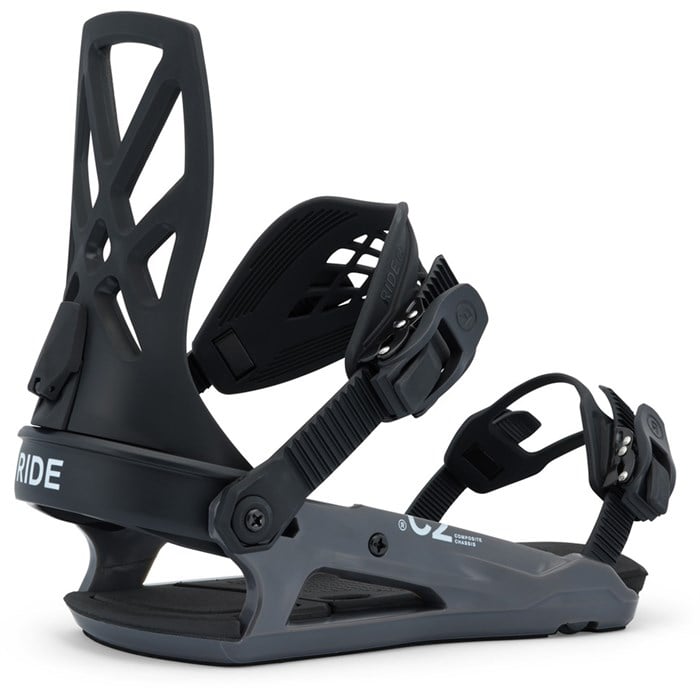
6. Ride C-2 Comfort Pick
- Flex: Soft to medium-soft
- Baseplate: Cushioned, comfortable platform
- Straps: Smooth feel, easy on pressure points
- Ride feel: Damp and forgiving, great for long days
- Best for: Comfort pick if your feet or knees complain
The Ride C-2 isn’t revolutionary, but it is one of those bindings that riders mention positively without prompting.
It sits soft-to-medium soft, which makes it feel comfortable and smooth underfoot – perfect for beginners who want zero drama when they’re learning movements and edge transitions. The straps are cushioned and easy to set up. The overall feel is damp enough that chatter doesn’t bite on bumpy snow.
This isn’t a binding that’s going to make you feel beefy at high speeds, but it does make the mundane parts of a day on snow feel good: cruising, linking gentle turns and just enjoying being on a board with minimal fuss. Really good value too. Plus, I’ve always liked Ride. Cool team.
Pros
- Soft, comfortable feel for long days
- Forgiving and smooth underfoot
- Cushioned straps reduce pressure points
- Light movement feel helps beginners stay relaxed
- Great everyday choice for cruisers
Cons
- Lacks support for aggressive riding
- Not ideal if you want a binding to grow with very fast progression
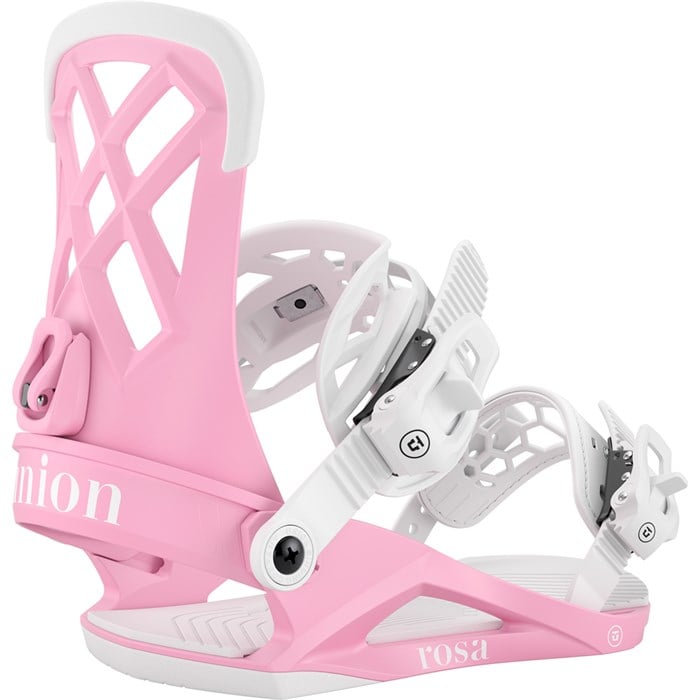
7. Union Rosa Best Women’s Pick
- Flex: Soft to medium-soft (beginner-friendly)
- Baseplate: Light, easy to ride, no weird surprises
- Straps: Comfortable fit with good adjustability
- Ride feel: Forgiving but still stable once you speed up
- Best for: Women’s pick for beginners and progression
Union Rosa is a favourite among female riders who want something that genuinely feels built around them rather than a downsized men’s binding. Jess (my co-founder and riding partner) puts most of her new students on these.
Soft-to-medium flex makes it approachable right out of the gate. The fit feels comfortable without being sloppy. It’s stable when you start linking turns and forgiving when you wobble. It feels “balanced” – not too soft, not too stiff – which is exactly what you want early on.
If you’re a female beginner who doesn’t want something that feels weird or overly bulky, this is a tidy pick. If you want a slight “upgrade” similar to the Burton Mission, check out the Burton Scribe.
Pros
- Flex is perfect for new riders
- Women’s specific fit feels natural underfoot
- Balanced feel — not mushy, not harsh
- Good edge response as confidence grows
- Comfortable straps that fit well with women’s boots
Cons
- Not as supportive as stiffer, freeride-leaning options
- Not the lightest binding out there
Comparison Table
Here’s a quick side-by-side look at every beginner snowboard binding I rated for 2026.
| Binding | Flex | Baseplate | Straps | Ride Feel | Best For | Score | Price |
|---|---|---|---|---|---|---|---|
| Burton Mission Re:Flex | Medium | Re:Flex | Padded, adjustable | Stable and predictable | Best overall beginner pick | 4.7/5 | $259 |
| Burton Freestyle | Soft | Re:Flex | Simple, forgiving | Mellow, confidence friendly | True beginners | 4.6/5 | $189 |
| Union Flite Pro | Soft–Medium | Stage 8 Duraflex | Comfort focused | Light, easy turning | Best value option | 4.6/5 | $219 |
| Union Ultra | Medium | Damp, flexible chassis | Secure, responsive | Smoother and more precise | Best step-up binding | 4.7/5 | $3299 |
| Burton Step On | Medium | Step On system | Strapless entry | Direct, locked-in | Quick-entry convenience | 4.6/5 | $329 |
| Ride C-2 | Soft–Medium | Cushioned composite | Pressure-free straps | Damp and forgiving | Comfort-focused riders | 4.5/5 | $199 |
| Union Rosa (W) | Soft–Medium | Lightweight platform | Women’s specific fit | Forgiving but stable | Women beginners | 4.6/5 | $199 |
Snowboard Binding Buying Guide
I’ve helped a lot of riders choose their first bindings. Most people overthink it. You don’t need race-level response or whatever the internet is calling “pro” this year (except maybe the Union Flite Pro). You need bindings that are comfortable, forgiving and don’t get in the way of learning.
Bindings matter more than people realise. If they’re uncomfortable or too stiff, everything feels harder. Turns feel jerky. Balance feels sketchy. And you spend the day blaming yourself when it’s actually the setup.
Here’s what to look for.
Fit
Bindings should feel secure without crushing your feet. You want your boot held evenly across the top and ankle, not pinched in one spot and loose in another.
If your heel lifts inside the binding or your foot feels like it’s floating, something’s wrong. Either the straps don’t fit your boot shape or the binding is the wrong size. Cranking the straps tighter is not the fix. That just cuts circulation and makes your feet numb.
A good fit feels boring. That’s a good thing.
Flex
Soft to medium flex is where beginners should live.
Softer bindings let you move naturally and recover from mistakes. They don’t punish you when your timing is off or your edge angle isn’t perfect yet. Too stiff and you’ll feel locked in and tense, like the board is fighting you.
Medium flex is the sweet spot if you know you’ll progress quickly. It gives you support without feeling harsh. Most beginner-friendly bindings sit right here already.
Ignore anyone who tells you stiff equals better (for now).
Straps
Straps matter more than baseplates or tech.
You want ankle and toe straps that are padded, easy to adjust and sit naturally over your boot. Modern toe straps that go over the front of the boot (rather than the top of your foot) tend to feel more secure and need less cranking.
If a strap creates a hot spot after one run, it’ll be unbearable after ten. Comfort wins every time.
Baseplates and Board Feel
As a beginner, you don’t need to obsess over baseplate tech.
What you want is a binding that dampens chatter and feels predictable underfoot. Certain baseplates help smooth things out and make the board feel less twitchy, especially on firm snow. I’ve chosen the right ones for you already, so don’t overthink this (yet).
You’ll develop “board feel” and your preferences later. Right now, smooth and forgiving is the goal.
Entry Systems
Traditional straps work great and are still the easiest place to start.
Step On systems are a solid option if you’ve got the budget and the right boots. They’re convenient and surprisingly secure, but they lock you into specific boots. Not a deal breaker, just something to be aware of.
There’s no performance penalty either way for beginners. Pick what feels easiest to live with.
Note: You may also have heard of “rear entry bindings”. I’ve never ridden one I would recommend, other than maybe the Supermatic which is slightly different and designed for advanced riders. Avoid for the time-being.
Weight
Lighter bindings generally feel less cumbersome, especially for smaller or less powerful riders. Heavy bindings can feel sluggish and tiring.
You don’t need ultralight race bindings, but avoiding overly bulky setups makes learning smoother. To be honest though, most bindings are fairly similar these days – just avoid any ancient heavy ones on ebay.
Price
Good beginner bindings usually sit around $180 to $300.
Cheaper than that and comfort, durability and straps start to suffer. More expensive and you’re paying for response and precision you probably won’t use yet.
Spend enough to be comfortable. That’s the priority.
Common Mistakes
- Buying the stiffest binding because it’s “higher end.”
- Over-tightening straps to fix poor fit.
- Choosing bindings based on looks instead of comfort.
- Assuming you need park or freeride specific bindings on day one (ya don’t).
Completing the Setup
Once your bindings are sorted, the next piece of the puzzle is choosing a well-rated beginner board and some beginner-friendly boots. Aiming for roughly the same riding style and flex pattern is a good idea. All of the options in my “beginner series” articles play nicely together and are a safe bet.
Final Thoughts
If you’re stuck, don’t overthink this.
Most beginners will be genuinely happy on the Burton Mission. It’s comfortable, forgiving and won’t hold you back as you improve. If you want something even easier and cheaper to start on, the Burton Freestyle or Union Flite Pro do exactly what they’re supposed to do.
If you already know you’re going to commit to snowboarding and don’t want to upgrade again in a season or two, the Union Ultra is worth the extra money. It’s not a pure beginner binding, but it’s forgiving enough to learn on and good enough to keep long term.
There’s no wrong choice here though. Pick the binding that feels comfortable, fits your budget and lets you focus on riding instead of gear. That’s how you progress. Have fun!

I went with the Ultra. Definitely the best beginner snowboard bindings I’ve ever owned (better than the Flux bindings I started out on). Great article thank-you.