I’ve gone through a lot of ski sunglasses over the years. Some worked, most didn’t. The good ones cut glare, stayed put and didn’t fog halfway down. I use these for skiing, teaching, touring and long spring laps when goggles just feel like overkill.
These are the best sunglasses for skiing.
🏆 Best Overall Pick
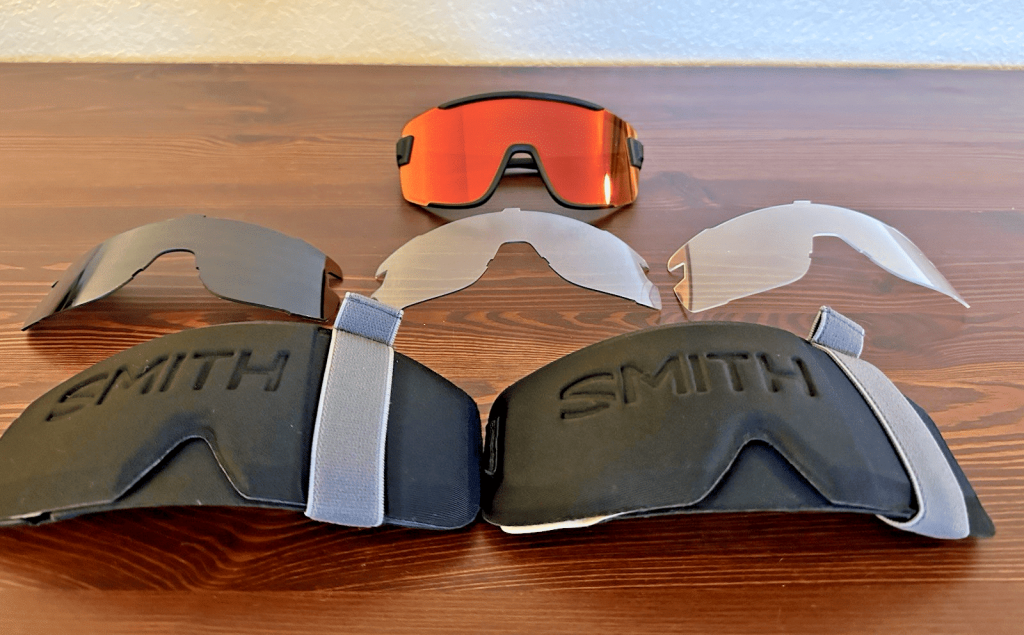
The Smith Wildcat is my top pick for ski sunglasses this season. Big coverage, crisp optics and a fit that actually works under a helmet. They’ve been a proven option for years and still hold up through long days in mixed weather.
Top 3 Ski Sunglasses
Ski Sunglasses Reviews
I test sunglasses the same way I test goggles. Long days, mixed light, wind, sweat and the kind of spring snow that fogs everything. I look for clear lenses, good grip, excellent protection and frames that don’t dig in under a helmet. Yeah, there are a lot of Smith picks here. They earned it.
1. Smith Wildcat Best Overall
- Lens Tech: ChromaPop
- Cover: Big wrap lens blocks wind and snow
- Fit: Medium to large faces, sits well with most helmets
- Use: Perfect for spring skiing, bike park laps or high-alpine touring
- Options: Photochromic and mirrored lens choices
The Smith Wildcat has been my go-to for spring touring and slushy resort days for years now. They basically took goggle coverage and crammed it into a pair of sunglasses. You get full-face protection from wind and snow but without feeling like you’re wearing full goggles.
The ChromaPop lens is still one of the best for mixed light, and the photochromic option handles those bright-to-cloudy transitions better than most.
The fit is solid. They sit close enough to block wind but still breathe well when you’re moving uphill. If you’ve got a smaller face, the Smith Bobcat is basically the same frame in a slightly tighter package. Both are proven options that hold up to years of use.
The only real downsides are the size and price. They’re chunky to pack and if you only ski a handful of sunny days each year, it’s a lot to spend. But once you’ve worn them in wind or blowing snow, regular sunglasses start to feel useless.
Pros
- Excellent coverage & protection
- ChromaPop lens clarity is top tier
- Comfortable fit with solid ventilation
- Available in mirrored and photochromic lenses
- Better peripherals than side-shield ski sunlasses
- Long-proven favorite for touring and spring skiing
Cons
- Bulky compared to normal sunglasses
- Premium pricing
- Can feel oversized on smaller faces (try the Bobcat)
2. Julbo Camino Best Budget Pick
- Lens Tech: Spectron 4, 100% UV
- Cover: Removable side shields
- Fit: Lightweight frame, curved temples
- Use: Ski touring, mountaineering, spring laps
- Options: Multiple tints available
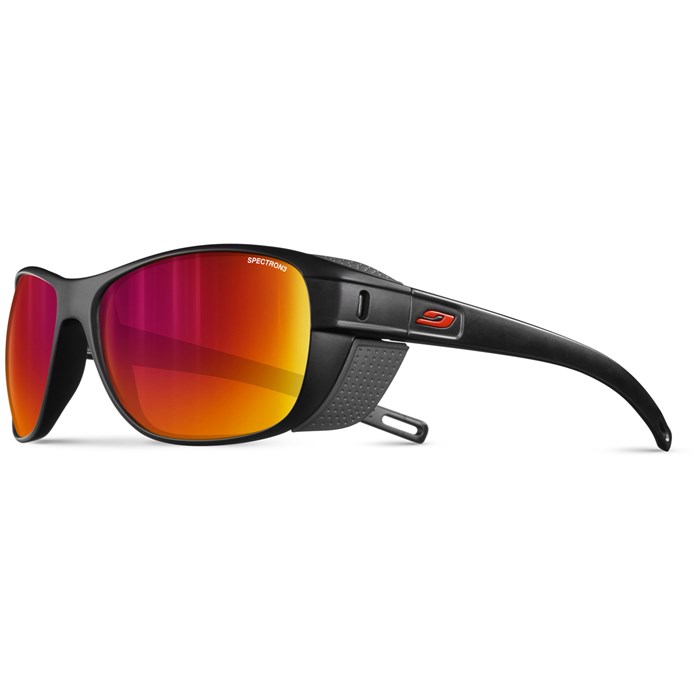
The Julbo Camino is the one I recommend to anyone who wants glacier-level protection without glacier-level prices. They look simple, but they do exactly what they’re supposed to. The Spectron 4 lens cuts out glare even in full sun and the removable side shields make a huge difference when you’re above treeline or surrounded by snow.
I’ve used these for ski touring and mountaineering days when I didn’t want to risk my pricier photochromic lenses. They’re light, they stay on and they don’t fog much unless you stop moving completely. They also take a beating. You can throw them in your pack or hang them from your jacket and not worry too much.
The tradeoff is optical quality. The lenses aren’t as crisp or color-accurate as Smith or POC, and the fit feels a bit cheap. But for around sixty bucks, they’re kind of a steal. If you want full coverage without spending big, the Camino is tough to beat.
Pros
- Excellent sun and glare protection
- Removable side shields work well
- Lightweight and durable for the price
- Stay put while hiking or touring
- Unbeatable value for full coverage
Cons
- Lens clarity isn’t premium
- Plastic feels cheaper than top brands
- Fit can be loose on smaller faces
3. Smith Embark Best Touring Pick
- Lens Tech: ChromaPop Glacier Photochromic or Polarized
- Cover: Removable ventilated side shields
- Fit: Medium wrap, low-profile temples, goggle-style strap
- Use: Ski touring, high elevation, windy chair rides
- Options: Anti-fog coating, multiple tints
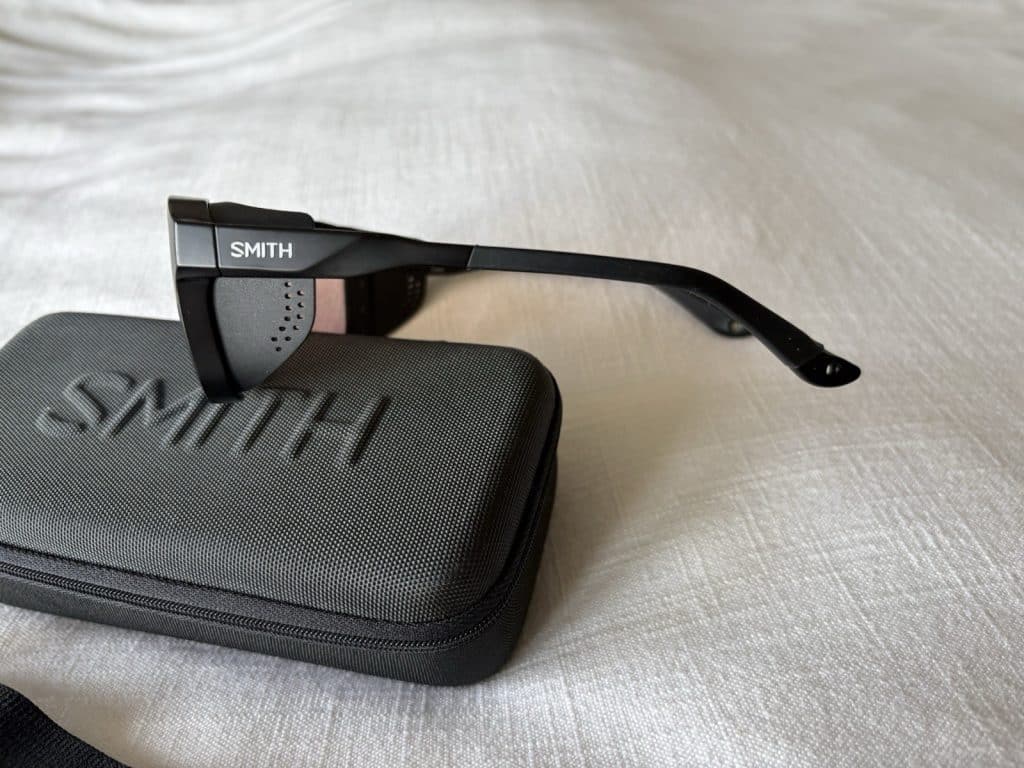
The Smith Embark has been through a lot with me. I bought my first pair when they launched and they’re still in rotation. They’re built for high alpine missions but honestly work just as well for spring laps or long touring days. The ChromaPop Glacier lens does a great job balancing contrast and protection and I like that it adapts fast when the clouds roll in. It’s one of those lenses that just makes everything easier to read in mixed light.
The fit is solid and the side shields actually do their job. The low-profile strap is handy when you’re booting up something steep or skiing in high wind. I’ve had zero issues with fog, even while sweating through long climbs. They’re not particularly small though, so if you’ve got a narrow face they might feel a bit much. I’ve scratched mine a few times and the lenses aren’t cheap to replace, but that’s about the only real gripe I have.
The Embark has earned its keep. If I lost mine tomorrow, I’d probably buy them again before the week was out.
Pros
- Top-tier lens quality with real contrast in mixed light
- Excellent wind and glare protection
- Ventilated side shields actually work
- Goggle-style strap keeps them secure
- Durable and proven through years of use
Cons
- Lens replacements are pricey
- Overkill for casual resort use
4. Smith Shift MAG Best Tech
- Lens Tech: ChromaPop + MAG quick swap system
- Cover: Large shield, also available in XL version
- Fit: Regular and XL sizes, helmet-compatible temples
- Use: Fast resort laps, spring sun, high speed descents
- Options: Multiple colours and tints, spare lenses available
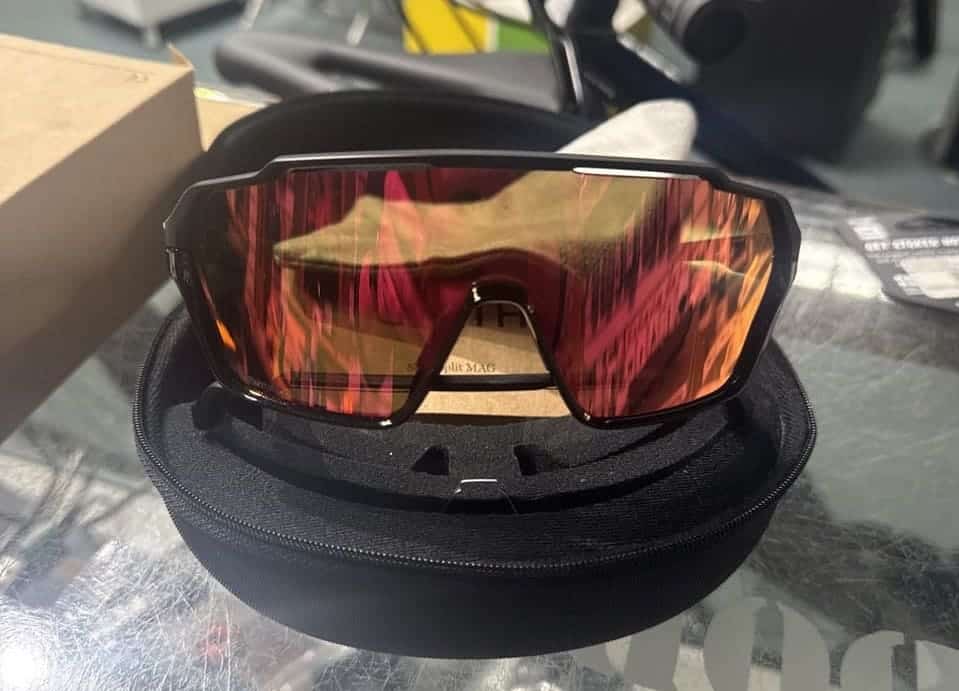
I know, there are a lot of Smiths on this list. I tried not to play favorites, but they keep making stuff that works. The Smith Shift MAG is the one I grab when I want top-tier optics without the full glacier look. They’re lighter, sleeker and the lens tech is unreal. The magnetic lens system is ridiculously smooth – you can swap lenses in seconds without feeling like you’re about to snap the frame.
I’ve worn these for long touring days and even a few road rides, and they’ve held up way better than I expected. The ChromaPop lenses are as sharp as anything I’ve used. They handle bright snow and low contrast light better than most. The coverage is surprisingly good too.
I run the regular Shift, but if you’ve got a big head or like more coverage, the Shift MAG XL is worth it. Same design, just scaled up a touch. The main downside is price and durability. They’re light, but you’ll feel it if you drop them or jam them into a pack without the case. As the saying goes, more parts means more parts that can break. Having said that, mine are still going strong after a season of abuse.
Definitely the best ski sunglasses for the tech-loving skier without a budget.
Pros
- Magnetic lens swap is fast and solid
- ChromaPop lenses offer top-level clarity and contrast
- Comfortable lightweight frame
- Great coverage & prortection
- Available in standard and XL version
Cons
- Expensive for sunglasses
- Overkill for casual skiers
- Feel slightly more fragile than the Embark
5. POC Devour Glacial Most Shielded Pick
- Lens Tech: Clarity lens, UV 400
- Cover: Full shield with side shields and brow protection
- Fit: Large coverage, adjustable nose and temples
- Use: Bright alpine days, glacier tours, spring laps
- Options: Multiple tints, retainer leash included
The POC Devour Glacial isn’t necessarily my style, but Jess swears by them. She uses them for touring and spring skiing and swears they’re the best full-face coverage without fogging up.
The lens quality is pure POC – sharp, crisp and clean. Their Clarity lenses are some of the best in the game for depth and contrast, especially when the light keeps changing. The side shields do what they should, and the coverage is unreal. You feel pretty much sealed off from wind and glare. They’re great for anyone who wants goggle-like protection without actually wearing goggles.
They’re bulky though. You notice them on your face more and they don’t always play nice with helmets. I’d call them overkill for mellow resort days, but if you’re touring high or skiing big, they make sense. Jess loves them, I get it – I just can’t quite pull them off.
Pros
- Incredible coverage and wind protection
- Top-tier lens clarity and color contrast
- Removable side shields
- Fog-resistant even on long climbs
- Built like a tank
Cons
- Bulky and heavy for casual use
- Can interfere with some helmet fits
- Looks are a bit divisive
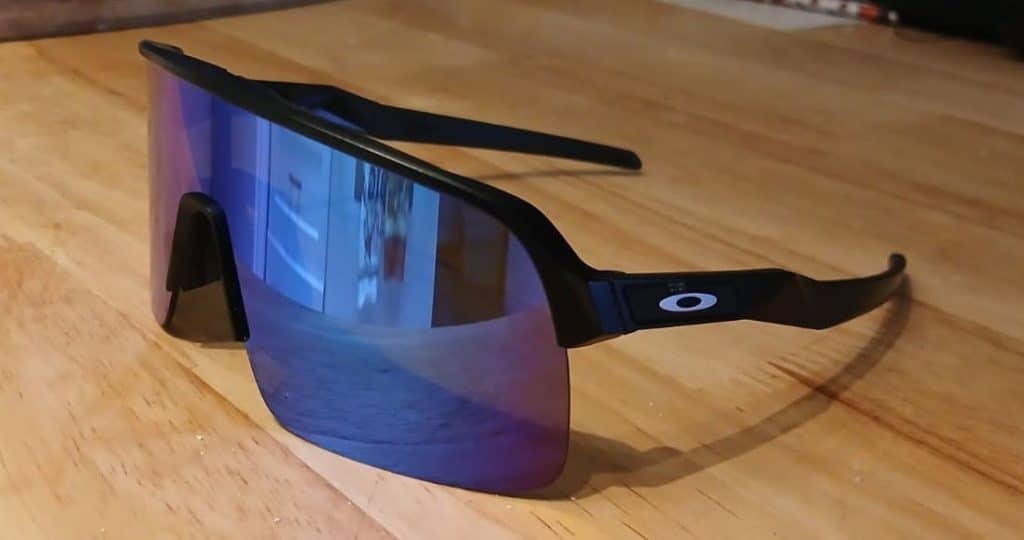
6. Oakley Sutro Lite Prizm Best Style Pick
- Lens Tech: Prizm lens for enhanced contrast on snow
- Cover: Oversized shield style for wide view
- Fit: Medium to large faces, fits under helmet or cap
- Use: Resort laps, sunny spring days, stylish runs
- Options: Multiple colourways and lens tints
I went with the Sutro Lite over the regular version because the full frame always felt a bit heavy and claustrophobic. The Lite keeps that same wraparound coverage but breathes a little better. Field of view is awesome. You still get the full Oakley Prizm clarity, which is as sharp as it gets in this list. On bright bluebird days they make snow definition pop like nothing else.
I’ve used these mostly for spring skiing, touring and mountain biking. They’re also great for Après and look much more at home around the resort than most – earning this years “style pick”.
They sit tight, stay fog-free and don’t feel bulky when you’re skinning or hiking. They’re comfortable and the arms fit well with most helmets. Coverage is great, though won’t beat something like the Smith Embark. This is an advantage when skiing though, as side shields often block your peripheries.
The downside is they’re pricey and not particularly subtle. But if you want something that looks aggressive and performs just as hard, the Sutro Lite Prizm delivers.
Pros
- Excellent Prizm lens clarity and contrast
- Good coverage with improved airflow over regular Sutro
- Stable fit with helmets
- Sharp resort-ready style
Cons
- Expensive for single-lens sunglasses
- Flashy design not for everyone
- Less side protection than Embarks/Wildcats
7. Tifosi Rail Best Mid-Range
- Lens Tech: Shatterproof polycarbonate
- Cover: Oversize shield for wind protection
- Fit: Lightweight frame, adjustable nose pads
- Use: Spring skiing, resort laps, high-output days
- Options: Multiple tints and interchangeable lenses
The Tifosi Rail surprised me. I picked them up expecting a cheap backup pair, but they ended up holding their own against sunglasses twice the price. The lenses aren’t as sharp as ChromaPop or Prizm, but they do the job. They cut glare, stay light and never feel like they’re sliding off your face.
I use these for longer teaching days or when I don’t want to worry about scratching something expensive. They breathe well and the coverage is decent without feeling too enclosed. The fit is snug enough for touring but relaxed enough for après beers. They just work.
They do feel a little plasticky, and you notice it when swapping lenses or wiping them down. But for under ninety bucks, it’s hard to complain. They’re one of the few budget sunglasses I actually keep in my kit bag (not just in the glove box).
Pros
- Solid performance for the price
- Lightweight and comfortable for long wear
- Good ventilation for touring and biking
- Secure fit without pinching
- Relatviely easy lens swaps
Cons
- Lens clarity not on par with premium brands
- Plastic build feels a bit cheap
- Arms can flex a little too much
8. Smith Venture Best Alpine Style
- Lens Tech: ChromaPop Glacier Photochromic or Polarized
- Cover: Removable side shields for glare and wind protection
- Fit: Medium coverage, adjustable temples for custom feel
- Use: Ski touring, mountaineering or high-alpine resort days
- Options: Available in multiple lens tints and frame colors
The Venture is the last Smith on the list (I promise). I still prefer the Embark overall, but the Venture makes more sense for certain trips. It’s a little lighter, the shape feels less aggressive and the coverage is still great thanks to those removable side shields. It’s basically a toned-down glacier glass that you can wear all day without feeling like you’re in full expedition mode.
I used these for spring tours and a few windy ridge days last season. They handled everything fine. The ChromaPop lenses are as sharp as ever and the photochromic option works well when the light changes fast. They sit comfortably under a helmet and never slipped on me.
If you want Smith’s glacier-level protection but prefer something that looks more casual, the Venture is that middle ground. Personally, I’ll stick with the Embark for the alpine days, but the Venture wins for comfort and looks.
Pros
- Excellent ChromaPop lens clarity
- Good protection without overkill
- Lightweight and comfortable fit
- Removable side shields work well
- More casual look than Embark
Cons
- Less protection than Embark
- Lens options are limited
- Still pricey for casual users
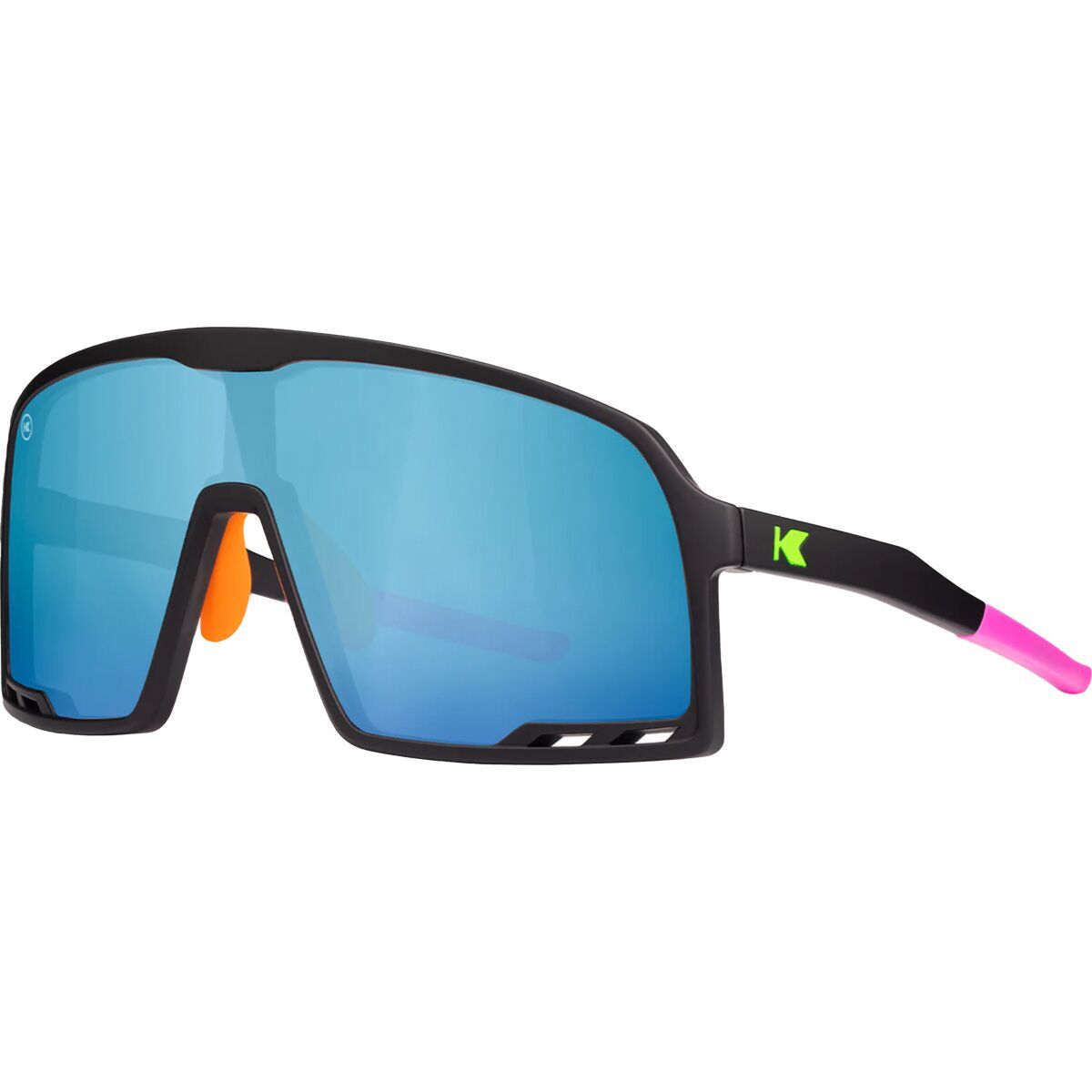
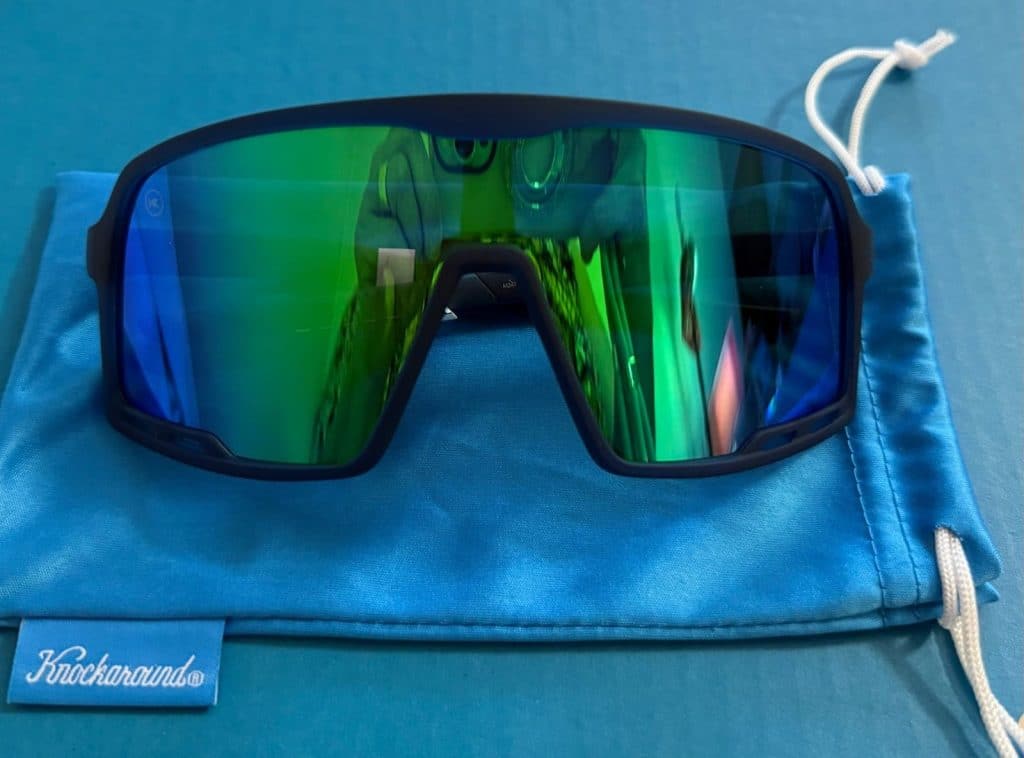
9. Knockaround Campeones Best Value
- Lens Tech: Impact resistant polycarbonate, UV 400
- Cover: Sport shield shape with decent wind block
- Fit: Lightweight frame, secure temples for active use
- Use: Backup pair for resort days and road trips
- Options: Multiple colors and tints at a friendly price
The Knockaround Campeones punch way above their price. They’re not trying to be glacier glasses or tech gear. They’re just solid, no-fuss sunglasses that actually hold up on snow. I started wearing them on warmer resort days and ended up keeping them as my car-to-lift pair. They’re cheap enough that you don’t stress about scratching them, but good enough that you don’t feel like you’re slumming it.
The lenses are surprisingly decent for the price. They cut glare well and stay comfortable even in full sun. The fit is snug enough for most faces and they don’t slide around much once you start moving. I’ve seen plenty of friends switch to these after breaking their pricier pairs mid-trip.
They’re not perfect. The lens coating will scuff if you’re rough on them and they don’t have that crisp color pop you get from high-end lenses. But at around fifty bucks, they’re the easiest recommendation here for anyone who just wants a reliable pair that won’t ruin a trip if they go missing.
Pros
- Great value for the price
- Surprisingly solid lens clarity
- Lightweight and comfortable
- Good everyday or backup pair
- Lots of color options
Cons
- Lens coating scratches easily
- No performance features or tech
- Limited protection in harsh alpine light
10. Goodr Bolt G Cheapest Pick
- Lens Tech: Polarised polycarbonate, UV 400
- Cover: Shield style lens, good for bright sun
- Fit: Lightweight, snug temples for active days
- Use: Budget backup or sunny resort laps
- Options: Hundreds of colourways under $40
The Goodr Bolt G sunglasses are the budget pick for a reason. They’re simple, light and do what you need when the sun’s out. I wouldn’t take them on a glacier, but for spring laps, parking lot beers or throwing in a jacket pocket, they’re perfect. They fit well, don’t slip much and somehow survive being stuffed into a pack without a case.
I keep a pair around as a backup because they cost next to nothing and still block enough glare to get by. The polarized lenses work fine for bright days, but the contrast isn’t great in flat light. The build feels a little flimsy, and if you drop them, they’ll probably scratch. Still, for the price, it’s hard to care. They’re the kind of glasses you just use and move on.
Pros
- Very cheap
- Comfortable fit
- Stay in place better than expected
- Work well for casual sunny days
- Good to have as a spare pair
Cons
- Lens clarity is basic
- Scratch easily
- Not made for prolonged alpine or high-glare conditions
Comparison Table
| Sunglasses | Lens Tech | Cover | Fit | Use | Rating | Price |
|---|---|---|---|---|---|---|
| Smith Wildcat | ChromaPop | Full wrap shield | Medium–large | Resort, touring, bike park | 9.5 | $229 |
| Julbo Camino | Spectron 4 / Polarized | Removable side shields | Universal | Budget glacier or touring | 8.9 | $65 |
| Smith Embark | ChromaPop Glacier Photochromic | Ventilated side shields | Medium–large | High alpine, touring | 9.4 | $229 |
| Smith Shift MAG | ChromaPop, MAG lens swap | Half-frame shield | Medium | Resort, race, all-round | 9.3 | $279 |
| POC Devour Glacial | Clarity lens tech | Extra-wide wrap + side shields | Large | Extreme exposure / glacier use | 9.1 | $280 |
| Oakley Sutro Lite Prizm | Prizm lens tech | Large shield | Medium–large | Bright days, all-round use | 9.1 | $214 |
| Tifosi Rail | Clarion Red / Smoke, UV400 | Shield lens | Universal | Budget touring or resort | 9.0 | $80 |
| Smith Venture | ChromaPop Glacier Photochromic | Removable side shields | Medium | Mountaineering, backcountry | 9.0 | $229 |
| Knockaround Campeones | Polycarbonate UV400 | Sport wrap | Universal | Resort, travel, casual | 8.7 | $55 |
| Goodr Bolt G | Polarized polycarbonate | Shield style | Universal | Sunny resort laps | 8.5 | $35 |
Ski Sunglasses Buying Guide
I’ve been skiing and riding long enough to see sunglasses go from fashion extras to actual performance gear. These days, you’ve got wraparound shields, photochromic lenses and side shields that make you look like you’re summiting Everest. Some are overkill, some are brilliant. Here’s how to tell the difference.
1. Lens Shape
The shape of the lens changes how much you see and how protected your eyes feel. Flat lenses look cool but let in more side glare. Curved or wrapped lenses hug your face better and keep out wind, snow and light from sneaky angles. Big shield styles like the Smith Wildcat or POC Devour are great for high-alpine conditions or spring skiing when you want full cover.
If you mostly cruise groomers or just want something casual, smaller frames work fine. The key is finding a balance between field of view and comfort - if they fog or pinch, you won’t wear them long.
2. Lens Tech & Tint
This is where most people overthink it. You don’t need five lenses for different clouds. One good all-round lens usually does the job, possibly a low light lens too although I usually switch to goggles when the weather turns. Look for polarized or photochromic lenses if you ride in super bright, changing light. They’ll save your eyes and cut the glare bouncing off snow. A mid-range tint works for most conditions - darker if you’re out West, lighter for low light or tree runs.
Smith’s ChromaPop, Oakley’s Prizm and Julbo’s REACTIV lenses all work well. They boost contrast so you can actually see the terrain instead of guessing. Just avoid super dark lenses for overcast days or you'll be riding blind. No amount of lens tech can fix that.
3. Fit & Comfort
Most ski sunglasses have either a straight or wrapped temple design. The wrapped ones stay on better when you’re moving fast or sweating, but they can feel tight under a helmet. Try them with your lid before you commit. If you wear them for touring, side shields can make a big difference in wind and glare protection. The downside is that they limit peripheral vision on the descent - though most are removable for this very reason.
Foam nose pads and rubber temples help keep them from sliding around. I’ve had cheaper pairs that felt fine in the parking lot but started bouncing halfway down the first run. Once they slip, they drive you crazy. Spend enough for a secure fit. It’s worth it.
4. Durability & Use
Snow, wind, cold and sweat are brutal on gear. Cheap frames crack or warp and lens coatings wear fast. If you’re only wearing them on sunny resort days, you’ll be fine with budget options like Knockaround or Goodr. But if you’re touring, riding at high elevation or dealing with glare all day, step up to something tougher like the Smith Embark or POC Devour Glacial.
Also, don’t ignore lens care. Use the soft case they come with and don’t wipe snow off them with your jacket. That’s the fastest way to ruin a good lens.
5. When to Wear Sunglasses vs. Goggles
This one’s simple. Goggles win in storms or full winter days. Sunglasses win when it’s warm, sunny or you’re hiking or touring. I swap to sunglasses as soon as the temps rise above freezing. You get better airflow, less fog and a bit more freedom — especially on spring missions when goggles just feel heavy.
Ski Sunglasses To Avoid
Pit Vipers are the obvious one. I always find the fit sloppy. The lenses are mediocre too and the wind coverage poor. They’re fine for après or pretending to DJ, not for skiing.
Also skip any no-name “polarized ski shades” you find for twenty bucks on Amazon. Half of them use plastic lenses that distort everything and fog if you even breathe near them. If the brand sounds like a random word generator, it probably won’t survive the first chairlift.
Finally, anything too fashion-focused usually fails the mountain test. Giant frames, zero grip and a logo that costs more than the optics. Keep them for town days. On the hill, function beats branding every time.
*Personal opinion, don’t sue me.
Final Thoughts
I’ve wrecked enough pairs to know most ski sunglasses are junk once the wind picks up or the light changes. Fun for the parking lot, not the skin track. A rare few actually hold up to mountain conditions.
If you’re hunting for the best sunglasses for skiing, stick with something that’s proven, fits right and doesn’t fog halfway up a bootpack. The Smith Wildcat and Embark still haven’t let me down.

Great article, many thanks. Smith defo make the best ski sunglasses these days. I used to swear by Oakley but after one too many broken pairs, switched loyalties.