7 Best Avalanche Probes 2026 (Backcountry Tested)

If you ride in the backcountry, an avalanche probe is one of those tools you hope you never need. But when you do, it has to work every time.

As a backcountry instructor and guide, I’ve used a lot of probes. Some bend. Some stick. The good ones are quick to deploy, lock tight and push through deep snow without snagging. 

The following options are the only probes I’ll carry. They’ve all proven themselves when it matters.

🏆 Quick Pick

The BCA Stealth 300 is the best avalanche probe for most skiers. It’s long enough for deep snowpacks, strong enough for guide use and deploys quickly with gloves on. Durable, affordable and proven in the backcountry.

Top 3 Avalanche Probes

#1 Best Overall
Best Budget Pick
Best for Deep Snow
Best Avalanche Probes 2026

1. BCA Stealth 300 Avalanche Probe Best Overall Probe

BCA Stealth 300 Avalanche Probe
  • 300cm Aluminum
  • Weight: 11.6oz
  • Collapsed Length = 17.0"

The BCA Stealth 300 is the probe I’ve probably used the most when teaching courses and running tours. It’s not the lightest, but it’s tough, dependable and the 300 cm length is what you want if you’re guiding in areas with deep snowpacks. Anything shorter can come up frustratingly short when you’re probing in real burial scenarios.

The thing I like about this probe is the stealth design (clues in the name). The top section nests inside the next one, so it packs down smaller than you’d expect for a 300 cm probe. When you’re stuffing a pack with skins, shovel, layers, and food, that space saving actually matters.

Deployment is fast and smooth. You just yank the cord and it locks in solidly, even with gloves on. I’ve watched students fumble with cheaper probes where the sections twist or don’t seat properly… not something you want to deal with when time is critical.

Gripes? The BCA cord system works well, but it doesn’t feel as tight or “bombproof” as Mammut’s Speed Lock or Black Diamond’s pull handles. If you’re used to those, the BCA can feel a touch looser, even though I’ve never had one fail. Also, the markings are clear enough for snow study pits, but I’ve seen sharper, more durable etching on Mammut probes.

Still, this is the probe I’d call the baseline standard. It hits that sweet spot of price, length and reliability. If you’re serious about backcountry travel, 300 cm is a smart call, and BCA nailed the balance here.

Pros

  • Full 300 cm length works in deep snowpacks
  • Design packs smaller than expected
  • Fast, glove-friendly deployment
  • Solid balance of price, durability and reliability

Cons

  • Not as tight-locking as Mammut or BD systems
  • Markings wear faster than higher-end probes
  • A touch heavier than carbon options

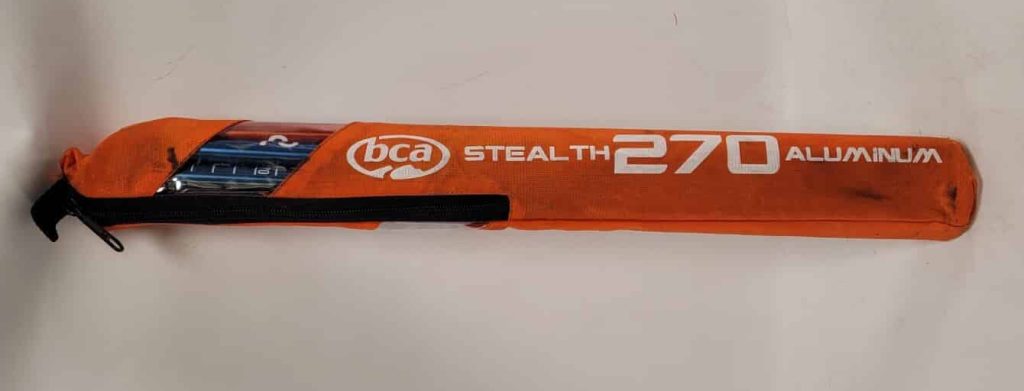
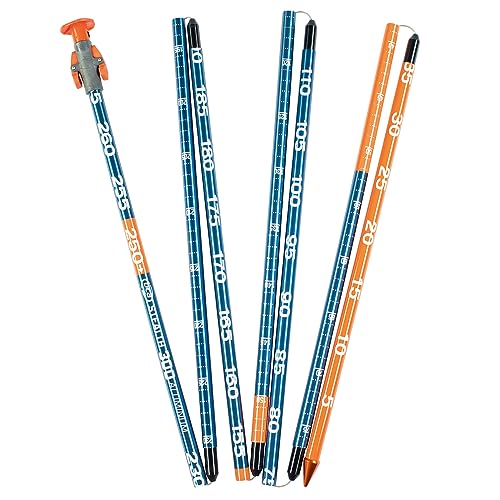
2. BCA Stealth 270 Avalanche Probe Best Budget Pick

BCA Stealth 270 Avalanche Probe
  • 270cm Aluminum
  • Weight: 10.4oz
  • Collapsed Length = 17.7"

The Stealth 270 is the probe I usually recommend for riders who are just starting to build their kit. It’s shorter and cheaper than the 300, but still gives you a dependable tool that deploys fast when it counts.

At 270 cm, you’re making a trade-off. For most snowpacks in the U.S. and Europe, it’s long enough. But if you’re riding in places with consistently deep snow (Utah storms, interior BC, Japan), I’d rather have the 300. That said, the 270 is lighter, packs down well and doesn’t feel flimsy.

The same stealth nesting system keeps it compact in your pack and it locks out reliably. It’s not as slick as Mammut’s Speed Lock or BD’s pull handles, but for the price, it’s hard to argue. This is a solid budget probe that doesn’t feel like a compromise – as long as you understand the length limit. Full review.

Pros

  • Affordable and reliable
  • Compact design saves pack spacek
  • Fast and simple deployment system
  • Lighter than the 300 while still sturdy
  • Excellent value
  • Intuitive for beginners

Cons

  • 270 cm can be limiting in deep snowpacks
  • Lock system feels less tight than Mammut/BD
  • Markings could be clearer for detailed snow study

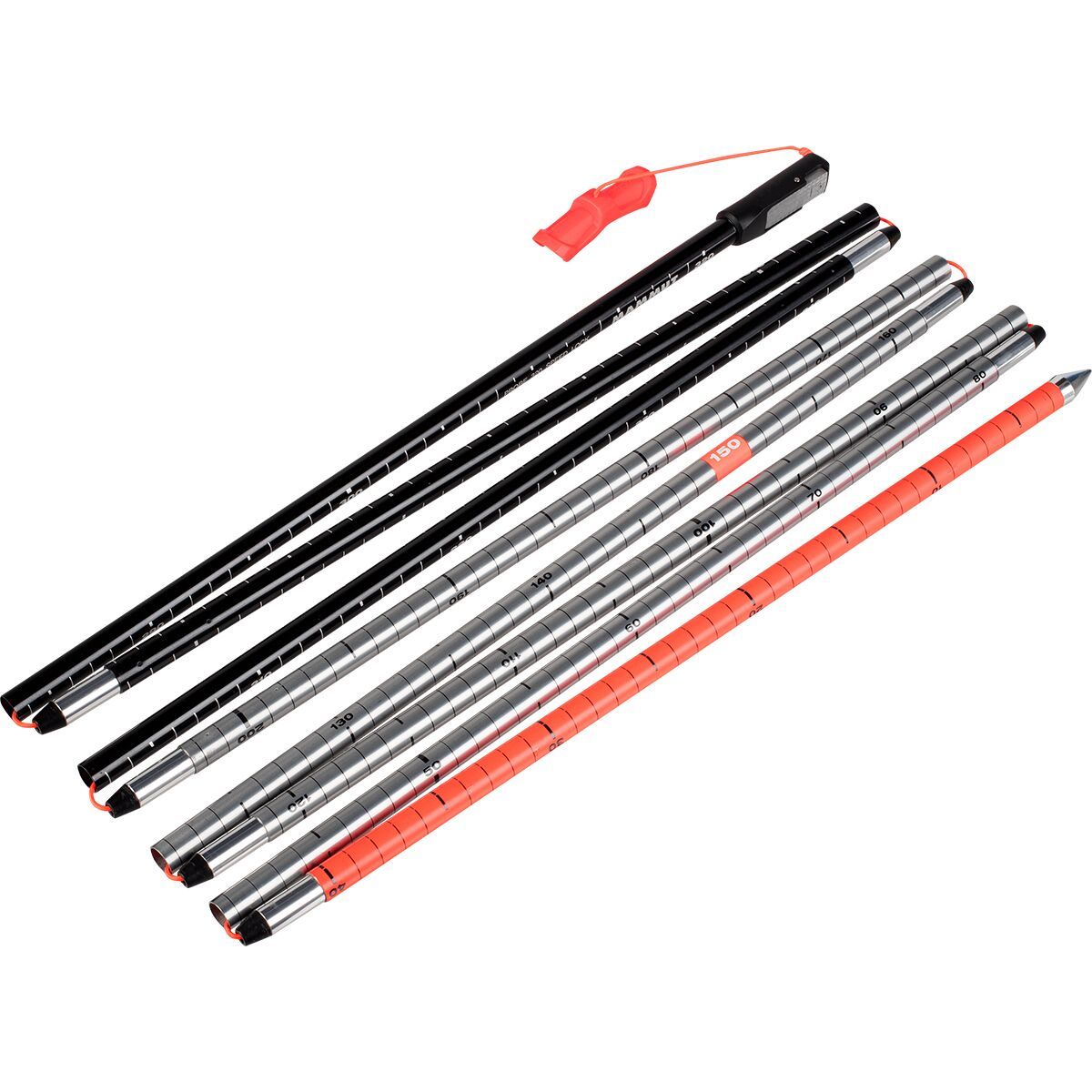
3. Mammut Speed Lock 320 Probe Best for Deep Snow

SALE
Mammut Speed Lock 320 Probe
  • Best for deep snowpacks and big mountain terrain
  • 320 cm reach for reliable probing in any conditions
  • Light but durable with Mammut’s Speed Lock system
  • Easy deployment with gloves on
  • Trusted by mountain guides in Europe and North America
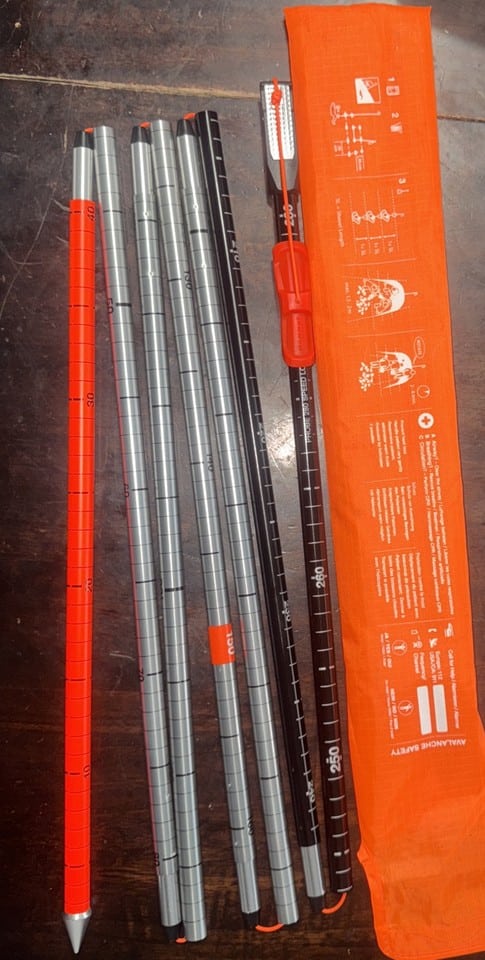
The Mammut Speed Lock 320 is what I reach for if I know I’ll be in consistently deep snow terrain. At 320 cm it gives you the reach you want in real burial scenarios, especially in interior BC, the Tetons, or Japan where snow can stack fast.

What stands out here is the Speed Lock system. It’s tighter and more confidence-inspiring than most cord systems I’ve used. Even with gloves on, it locks up solid and doesn’t feel like it’s flexing or sloppy when you’re probing hard. That’s a small detail until you’re actually in a rescue and need every ounce of trust in your gear.

It’s also one of the easier probes to deploy under stress. Yank, snap and you’re set. The trade-off is packability. At 320 cm it’s longer, bulkier, and not as neat in the bag as a 270. You notice that when you’re stuffing it next to skins or trying to keep your pack streamlined for climbing.

For guides, patrollers, or riders who spend time in heavy snow climates, the extra 20–40 cm is worth it. For casual sidecountry laps in shallower snowpacks, it might be more probe than you need. Full review.

Pros

  • Full 320 cm reach handles deep snowpacks
  • Speed Lock system feels tighter and more secure than cords
  • Fast, stress-proof deployment with gloves
  • Durable build trusted by guides and patrollers

Cons

  • Bulkier and less packable than shorter probes
  • More probe than most casual riders realistically need
  • Price is higher than BCA budget models

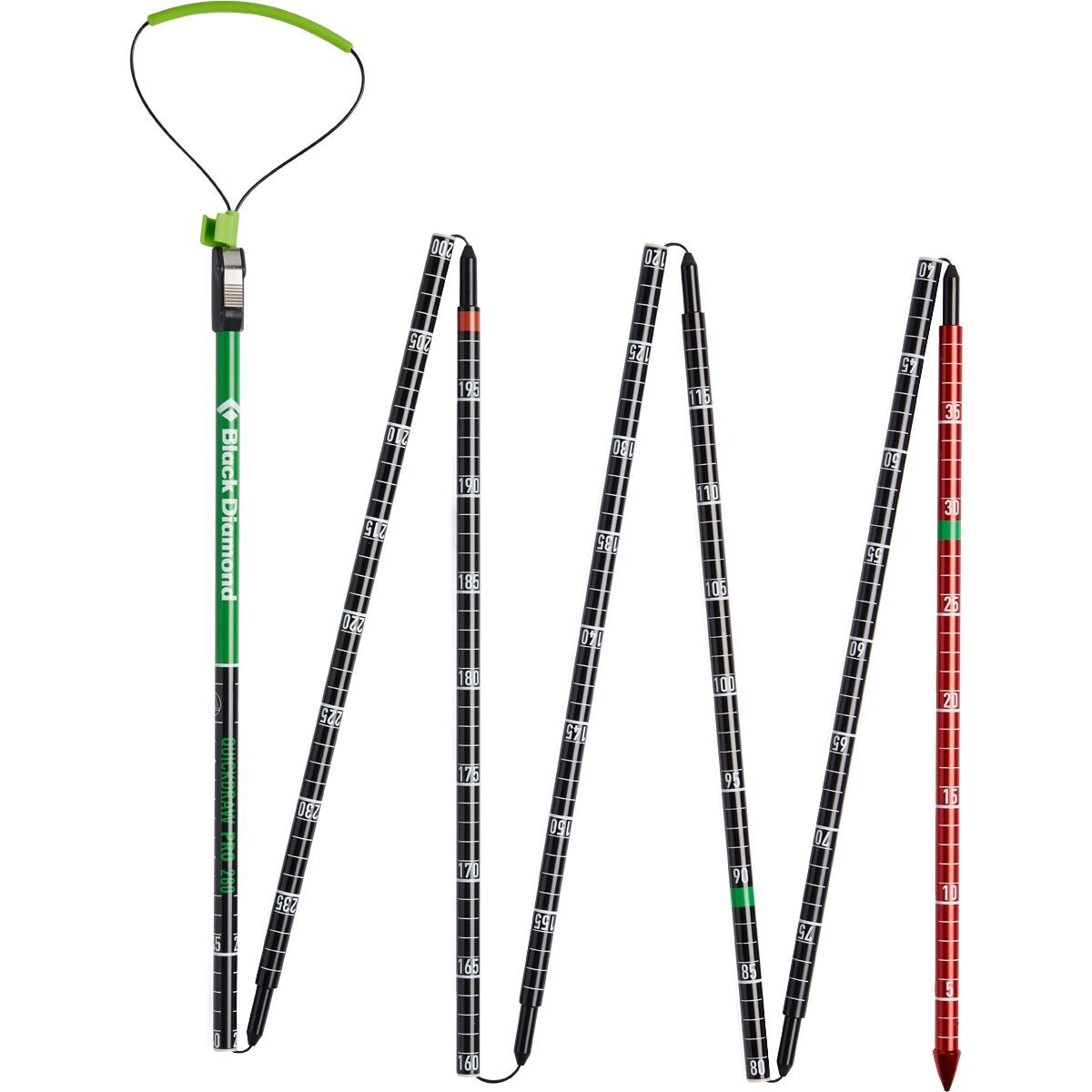
4. Black Diamond Quickdraw Pro Probe 280 Best for Patrollers

POPULAR
Black Diamond Quickdraw Pro Probe 280
  • Best for patrollers and regular backcountry riders
  • 280 cm length balances packability with reach
  • Durable aluminum build stands up to heavy use
  • Single-pull quick deployment system
  • Reliable and trusted Black Diamond design

The Quickdraw Pro 280 is one I’ve seen in a lot of patroller kits (mine included). It’s not the longest probe in this lineup, but it strikes a balance between reliability, deployment speed, and durability. At 280 cm, it gives you a bit more reach than the budget 270 without the bulk of a 300 or 320.

The big win here is deployment speed. Black Diamond’s single-pull handle system is slick. You can rip it open with gloves on, it snaps tight and you’re probing in seconds. When I’ve run practice scenarios with students, this system always feels the fastest to get into the snow.

Build quality is also what you’d expect from Black Diamond: durable aluminum, good section fit and confidence that it won’t give up when you’re probing aggressively. The markings are sharp and easy to read for snow pit work too.

Downsides? It’s not as long as I’d want for places with really deep snowpacks, so I’d hesitate to make it my only probe in interior BC or Japan. It’s also pricier than the BCA Stealth 270, which might put off first-time buyers. But if you value fast deployment and long-term durability, this probe makes sense.

Pros

  • Fast single-pull Quickdraw deployment
  • Solid 280 cm reach for most snowpacks
  • Durable aluminum construction built for heavy use
  • Clear measurement markings for pit work

Cons

  • More expensive than BCA models
  • Packs a bit larger than the Stealth probes

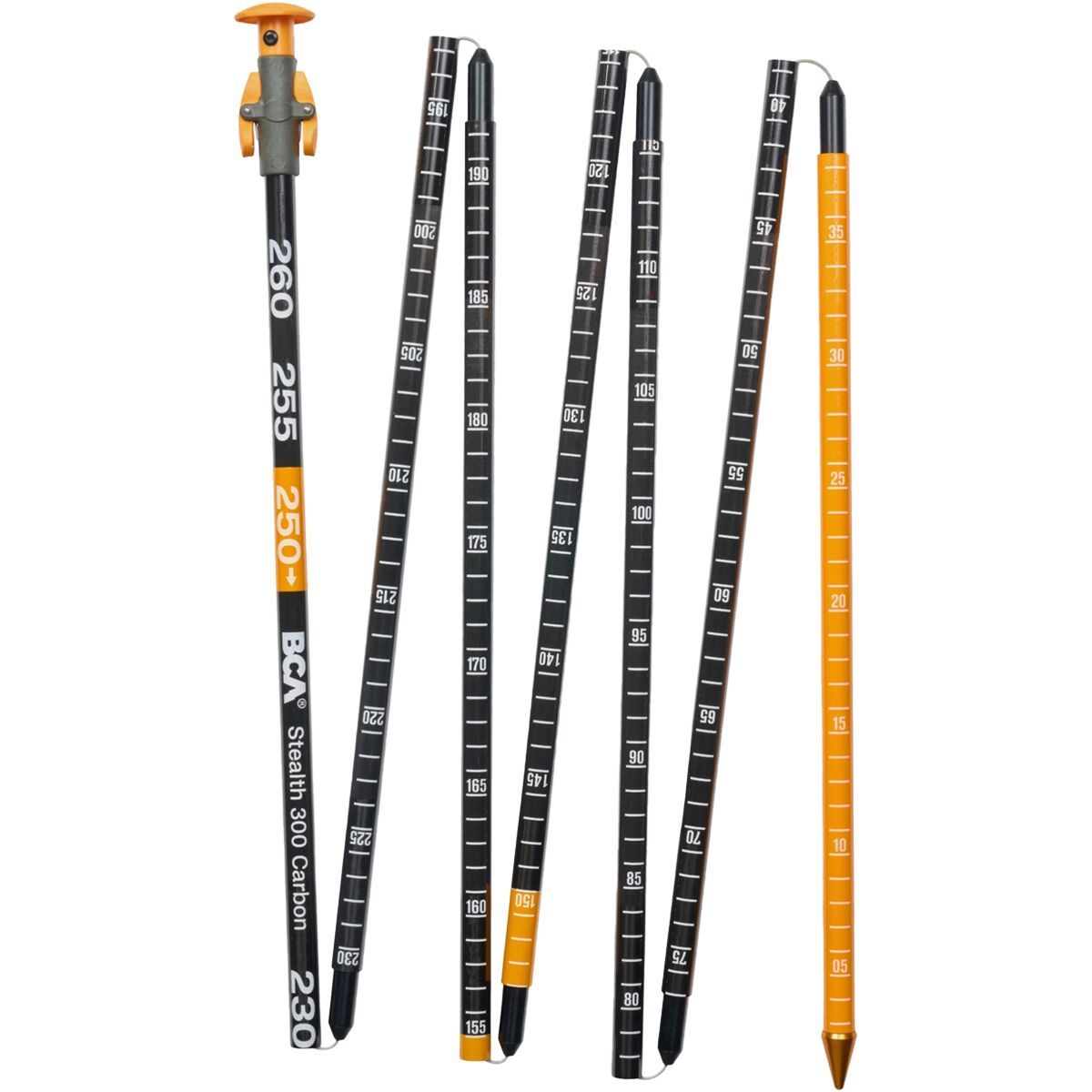
5. BCA Stealth 300 Carbon Probe Best Lightweight Pick

LIGHTWEIGHT
BCA Stealth 300 Carbon Probe
  • Best lightweight option for long tours
  • Carbon fiber build cuts weight without losing strength
  • 300 cm length for reliable probing in deep snow
  • Fast lock system with smooth deployment
  • Packs small for minimalist setups

The Stealth 300 Carbon is the probe you buy when every gram in your pack matters. If you’re logging big vertical, ski mountaineering, or going on multi-day tours, the weight savings start to feel real by the end of the day.

At 300 cm, you still get the length you’d want for real rescue scenarios, which is key – too many ultralight probes cut corners on size. This one keeps the reach but trims weight with carbon. It’s noticeably easier to carry compared to the aluminum 300.

That said, carbon isn’t indestructible. It holds up fine to regular probing and rescue practice, but I’ve seen carbon sections get nicked more easily if they’re slammed around in a pack with crampons or a shovel blade. If you’re rough on gear or spend a lot of time doing snow study work, aluminum might be a safer long-term bet.

The deployment is the same stealth system as the other BCA probes: simple, compact and glove-friendly. The price tag is higher, but that’s the cost of shaving ounces while keeping serious functionality. For guides and committed tourers, it’s worth it.

Pros

  • Carbon build cuts noticeable weight
  • Full 300 cm length keeps real rescue capability
  • Compact stealth nesting system
  • Premium touring option for long days out

Cons

  • Pricey compared to aluminum models
  • Carbon more prone to surface wear if abused
  • Not as rugged as Mammut or BD heavy-duty probes

6. Barryvox Tour 280 Package Best Complete Package

COMPLETE PACKAGE
Mammut Barryvox 1 Tour 280 Package
  • Best complete beacon, shovel, and probe setup for most riders
  • Includes intuitive Barryvox 1 triple antenna transceiver
  • Alugator Ride SE shovel with large blade for fast digging
  • Probe 280 Speed Lock for quick, reliable 280 cm probing
  • Great value compared with buying each piece on its own

If you’re looking for a true one-and-done avalanche safety package, this is the one I’d actually recommend to most riders. Mammut’s Barryvox line has been the gold standard for years, and the Barryvox 1 keeps the same simple interface and fast signal processing that made the original so popular. It’s one of the easiest beacons to learn on, and every avalanche course I’ve taken or taught has at least a few people running Mammut units. 

This bundle also throws in the Alugator Ride SE shovel (one of the best avalanche shovels) and a solid 280 cm probe. You’re basically getting the full backcountry starter kit in one hit without having to overthink the individual pieces.

The shovel is sturdy, fast to assemble and has enough blade size to make a difference when things get real. The 280 cm probe is long enough for deeper snowpacks, and the speed-lock system snaps together quickly in practice drills.

Buying everything together usually works out cheaper than piecing it together. More importantly, you avoid the classic beginner trap of buying random bits of kit that don’t really fill the needs you’ll have in the field. This setup gives you a beacon that’s easy to trust and tools that won’t fall short the moment you start practicing.

Big picture: if you want a complete, reliable, no-guesswork avalanche safety package from a brand guides actually trust, this is the best bundle to start with.

Pros

  • Includes both beacon and probe in one package
  • Tracker S beacon is intuitive and reliable
  • Good value compared to buying separately
  • Great starter option for new backcountry riders

Cons

  • Probe isn’t BCA’s premium option
  • Not the lightest setup for long tours

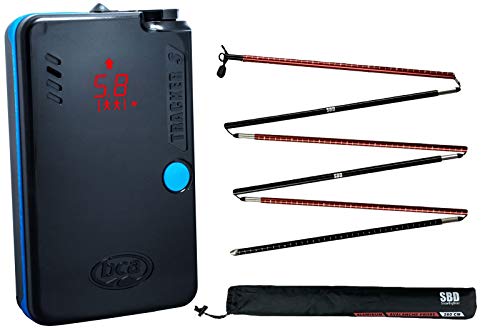
7. BCA Tracker S Avalanche Beacon & Probe Bonus Pick

BCA Backcountry Access Tracker S Avalanche Beacon + Avalanche Probe
  • Includes the BCA Tracker S Avalanche Beacon Transceiver, Made by Backcountry Access. The "S" Stands for Simple, which is what you want in an avalanche rescue situation.
  • Includes the SnowBigDeal 260 centimeter Avalanche Probe. Made from Aluminum with depth markings in centimeters. A probe helps to pinpoint a buried person under the snow.
  • The Avalanche Transceiver includes the carrying harness to hold store the beacon safely against your body.
  • Avalanche Beacons operate in Transmit and Receive modes to be able to search for as well as be found by a partner.
  • Don't travel in the backcountry without proper rescue gear. This kit includes two of the three essential items: Beacon, Probe, and Shovel (Not included).

If you’re just starting to build your backcountry kit, this bundle makes a lot of sense. It includes the Tracker S beacon — one of the simplest and most widely used transceivers — along with a solid BCA probe. Buying them together usually comes in cheaper than picking up a beacon and probe separately.

The Tracker S is based on the well-known Tracker 2 and 3 beacons. It’s stripped down a little, but it’s fast, intuitive and reliable. For newer riders or anyone who wants a no-nonsense beacon that just works, it’s one of the easiest to learn and teach on. I’ve trained dozens of people on this unit and the muscle memory comes quickly.

The included probe isn’t BCA’s best avalanche probe, but it’s good enough to get you started without worrying about whether your gear will hold up in practice scenarios. If you end up getting more serious about snow study or guiding, you can always upgrade later, but for most recreational riders, this kit ticks the boxes.

Big picture: if you don’t already own a beacon and probe, getting them in one package saves you money and removes the guesswork. That alone makes it a strong pick for anyone putting together their first avalanche safety kit.

Pros

  • Includes both beacon and probe in one package
  • Tracker S beacon is intuitive and reliable
  • Good value compared to buying separately
  • Great starter option for new backcountry riders

Cons

  • Probe isn’t BCA’s premium option
  • Not the lightest setup for long tours

Avalanche Probe Comparison Table

Probe Length Weight Material Price Best For Score
BCA Stealth 300 300 cm ~12 oz Aluminum $$ Best All-Around 9.4
BCA Stealth 270 270 cm ~11 oz Aluminum $ Best Budget Pick 9.0
Mammut Speed Lock 320 320 cm ~13 oz Aluminum $$$ Best for Deep Snowpacks 9.5
Black Diamond Quickdraw Pro 280 280 cm ~12 oz Aluminum $$ Best for Patrollers 9.2
BCA Stealth 300 Carbon 300 cm ~9 oz Carbon Fiber $$$ Best Lightweight Option 9.3
Barryvox 1 Tour 280 Package 280 cm ~10.6 oz Aluminum + Beacon + Shovel Bundle Best Complete Package 9.4
BCA Tracker S Beacon + Probe 270 cm ~11 oz Aluminum + Beacon Bundle Best Starter Kit 9.1

How To Use Avalanche Probes

Probes are simple tools, but using them properly under stress is a different story. Here’s the quick breakdown of how to do it right:

  1. Assemble fast – Yank the cord or handle to lock the sections. Do it with gloves on so you know you can deploy in real conditions.

  2. Start at the burial point – Begin probing where you got the strongest signal with your beacon. Don’t just poke randomly.

  3. Use a grid pattern – Probe straight down every 25–30 cm in a spiral or grid pattern. Keep it systematic so you don’t miss a burial.

  4. Feel for resistance – A human body feels different than ice chunks or roots. It’s a softer, springier stop instead of a hard block.

  5. Leave the probe in place – Once you’ve hit, keep the probe in. It guides shoveling so rescuers dig in the right spot.

Pro tip from training: practice until you can assemble and probe without thinking. In real rescues, seconds disappear fast, and you don’t want to be figuring out your gear for the first time when it matters.

Avalanche Probe Buying Guide

When you’re picking a probe, there are a few things that actually matter. Don’t get sucked into marketing – focus on what helps in the field.

Length

  • Go for at least 270 cm. Shorter probes pack small but could leave you struggling in deep burials.

  • 300–320 cm is the sweet spot for most backcountry riders.

Material

  • Aluminum: Strong, affordable, slightly heavier.

  • Carbon: Lighter, packs well, but pricier. Good for long tours or if every gram counts.

Locking System

  • Look for fast-pull or speed-lock systems you can set up with gloves.

  • Avoid anything fiddly – practice at home and make sure it clicks fast.

Markings

  • Depth markings on the shaft aren’t decoration. They help assess burial depth and direct efficient digging.

Weight & Packability

  • For everyday touring, a few extra grams is worth the durability.

  • Ultralight probes have their place, but guides and patrollers lean on durability first.

Price

  • You don’t need the most expensive probe, but don’t cheap out either. A broken or slow-to-deploy probe is useless when it matters.

👉 Bottom line:

Choose a probe you can trust, not one that looks sleek in the shop.

My Experience

As a wisened backcountry veteran I’ve run a lot of avalanche training scenarios as both a guide and instructor. One thing is always clear – the people who practice with their probe are the fastest to make a strike. I’ve seen brand new riders with a $40 probe get a solid hit before someone fumbling with their fancy carbon model. The gear matters, but your practice matters more. Personally, I lean on a 300 cm aluminum probe most days (the BCA Stealth 300) . It’s not the lightest, but it’s never let me down in cold, wet, or frozen conditions.

Final Thoughts

At the end of the day, an avalanche probe is a simple tool, but it’s one of the three pieces of gear that can save a partner’s life. Don’t overthink the marketing… just make sure it’s long enough, fast to deploy and tough enough to punch through solid snowpack.

If you can, get some training and actually use your probe before you need it. You’ll never feel overtrained in emergency. You basically want muscle memory to take the lead. 

I’ve also never once regretted carrying a heavier, stronger probe, but I’ve seen plenty of ultralight ones bend, freeze, or slow people down. In rescue work, the only probe that matters is the one that works every time.

Avalanche Probe FAQs

Do I really need an avalanche probe?
Yes. A probe is part of the essential rescue trio — beacon, probe and shovel. Beacons get you close, but probes confirm exact location and depth so you can dig fast and efficiently.
What length probe should I buy?
Go with at least 270 cm. Anything shorter struggles in deeper burials. Most guides and patrollers use 300–320 cm for a balance of reach and practicality.
Aluminum or carbon — which is better?
Aluminum is tougher and usually cheaper, making it the go-to for most riders. Carbon is lighter and packs smaller but costs more. If you tour big days and care about weight, carbon is worth a look.
How important are probe locking systems?
Critical. A good speed-lock system lets you deploy in seconds with gloves on. If it’s fiddly in the shop, it will be worse in a storm with cold hands.
Do the depth markings matter?
Yes. They help you measure burial depth and guide shoveling strategy. They’re also useful in snow science work if you dig pits.
How much should I spend on a probe?
Expect $50–100 for a solid aluminum model. Carbon or pro-grade probes push into $120–150. Anything too cheap usually sacrifices strength or speed of deployment.
Can I practice with my probe on my own?
Absolutely. Assemble it with gloves on, probe into firm snow, and practice a grid search. The muscle memory you build is what makes you fast in real rescues.

Leave a Comment

Your email address will not be published. Required fields are marked *

Scroll to Top