
I never had one big moment that took my ACL out. No dramatic crash. No story worth telling in a bar. My knees just hurt for years and I kept blaming it on long days and getting older.
Then one season the pain stopped being background noise and started getting in the way of actual skiing. I finally got an MRI and there it was. The answer I didn’t want. Torn ACL. I had surgery 6 days later. But, as most of you will sadly know, that’s only the start of the journey.
This is my experience getting back on skis. Not medical advice. Just the honest version of what it felt like to trust that leg again.
I’ll start with a quick checklist for those with a short attention span (like me). Stick around for my longer, rambling thoughts.
Am I Ready To Ski After ACL Repair? A Quick Checklist
- Cleared by your surgeon and physio with a clear yes
- Full or near full extension and flexion without swelling after normal activity
- Strength on the repaired leg close to the other side
- Single leg balance and basic hop control without wobble
- Confidence to load the knee without bracing for pain
- Plan for easy terrain and slow warm up laps on day one
- A brace can help settle the knee in the early days (ski knee brace guide)
Skiing with Knee Pain
If you have lived with knee pain for long enough you know the routine. Some days feel fine. Some days feel like your joint is filled with hot sand. You rest it, stretch it, ice it, tape it, ignore it and hope the next run feels better. Sometimes it does. Sometimes it absolutely does not.
I skied and instructed with knee pain for around 5 years. I thought it came with the territory. My advice now? Don’t just put up with knee pain. I left it way too late and an earlier review or MRI might have saved me several seasons of pain. By the time I found the issue, surgery was the only option.
But if you’re here and reading this, I’m guessing you’re in the same boat? You’ve probably either had the surgery, or are on the waiting list. Firstly, the surgery is almost never as bad as you’re expecting. Secondly, the rehab period is probably worse (sorry). That’s what I’ll concentrate on today, in a roundabout rambling sort of way.
Why Your ACL Hates Skiing
ACL problems in skiing aren’t necessarily caused by a single perfect crash. Most of the time it comes from a twist that felt small at the time. A slow fall in heavy snow. A lazy pivot in the lift line. A rotation your knee did not like. Sometimes you get up and ski away thinking it was nothing, and the real damage shows up months later.
A lot of skiers live with that nagging pain for years. Sore after longer days. Sharp on cold mornings. Fine one run and terrible the next. It is easy to blame stiffness, age or ski boots that do not quite fit. I did the same for far too long.
If that sounds familiar, you are not alone. Most people only find the real problem after an MRI. The ACL does not always shout. Sometimes it just grumbles until you finally pay attention.
Skiing After My ACL Repair
1. What Recovery Actually Feels Like
Recovery is not glamorous. If you’re doing it right, it’s extremely boring. It is slow and repetitive and full of tiny wins that no one else notices. The muscles around the knee shut down faster than you expect and take their time waking up again. Some days you feel strong. Some days you feel like you are starting over.
There is stiffness that comes and goes. Moments where the joint feels loose or uncertain. The strange feeling of loading your leg again and wondering if the repair will hold. You work through it because there is no other choice, but it is a strange place to be. You hope know you will get back on snow, but the timeline feels blurry.
Anyone who has been through ACL rehab knows this rhythm. It is rarely a straight line. You stack small improvements and hope they stick.
2. The Fear
You can walk fine. You can gym fine. You can climb stairs with no trouble. Then the thought of skiing again hits and your brain panics.
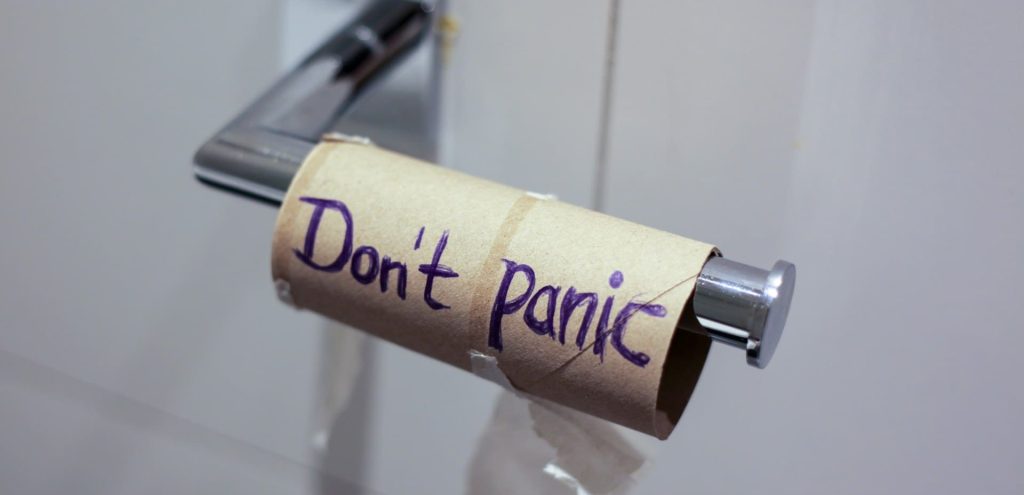
It is not fear of pain. It is fear of not trusting your own leg. Fear of ending up back on the coach for another 6-months. Fear of catching an edge or twisting wrong or hitting a weird patch of snow. You know how skiing loads the knee. You have felt that pressure in your turns for years. Now you are thinking about it in a way you never did before.
This part is completely normal. Every skier who comes back from an ACL repair goes through it. It fades, but it does not disappear in one day. You get confidence in small pieces. One clean turn at a time.
3. My First Day Back on Skis
The first day back is always slower than you think. Clipping in feels strange. You stand there wondering if the knee will react the way it used to (it probably won’t).
I started on the easiest run I could find. Wide. Predictable. No surprises. The first few turns felt cautious, almost mechanical, but that is normal. The goal is not to ski well. The goal is to see how the knee responds to real load. Pressure on the edges. Weight transfers. Small impacts from chopped snow.
The knee will talk to you straight away. A bit of stiffness is fine. A bit of uncertainty is fine. Sharp pain or anything that makes you protect the leg is a sign to back off and reset. The first day is not a test of skill. It is a check in.
4. The Adjustments That Helped Me
I kept things simple. Smaller turns. Softer movements. Nothing sudden. The repaired knee does not love quick, jerky transitions early in the season. Rounder shapes felt safer and smoother.
Terrain choice matters. I stayed on groomers until the knee felt warm and responsive. Off piste or chopped snow can load the joint in ways you cannot predict. Save that for when the leg feels settled.
Warm up runs became non negotiable. One gentle lap to get everything firing. The quad on the repaired side is always a bit slower to wake up and you feel it on the first few turns.
A brace helped me in the early days. Not as a miracle fix, just as something that kept the knee calm when the snow got rough. It also helps when my support muscles started to fatigue – though a brace is not an excuse to keep skiing for hours more.
5. What I Learned About Technique After Surgery
ACL rehab forces you to be honest about your technique. Anything sloppy shows up straight away. Lazy pivots hurt. Backseat skiing hurts. Letting the skis run without control hurts.
I learned to stay more centered. I let the skis turn under me instead of trying to force them. I kept a cleaner rhythm and avoided rushing the top of the turn. When the movements stay smooth, the knee stays quiet.

I also paid more attention to fatigue. The knee always gets tired before the rest of the body. That is the moment people get hurt. I cut days short if the leg started to feel loose or slow to respond. Pride is not worth another surgery.
Good technique does not just make you ski better. It keeps the repaired knee protected without you having to think about it every second.
6. The Moment It Finally Felt Like My Knee Again
There is always one run where things click. It is never dramatic. You are not skiing fast or doing anything bold. It is usually a simple turn where the knee holds without hesitation. No wobble. No guarding. No strange pull through the joint.
For me it happened mid run on a quiet morning. Good snow. No traffic. I tipped the skis over and the repaired knee felt solid for the first time. Not perfect. Just solid. That one turn changed everything. After that, the fear started to fade. The trust slowly came back. You cannot force this moment. It shows up when the knee is ready.
If you have not felt it yet, you will. Most people do not realise it has happened until the next run when they notice they are no longer thinking about the knee at all.
7. What I Would Tell Anyone Returning After ACL Repair
Go slow at the start. Your confidence will lag behind your strength for a while. That is normal. Do not try to ski like your old self on day one. Let the movements rebuild naturally.
Listen to the knee. It will tell you when it is happy and when it is not. Sharp pain means stop. Dull stiffness means more warm up or easier snow. Pay attention and you will stay safe.
Pick your terrain wisely. Early days should be smooth groomers where the load is predictable. Leave bumps, crud and steeps until the leg feels awake and steady.
And most important, do not judge yourself against the skier you were before the injury. No one comes back at full confidence right away. The goal is to return in a way that feels controlled and enjoyable, not rushed.
You will get there. It just takes patience, consistency and a few good turns to remind you that the leg still works.
Simple Ways To Reduce Your Risk Of Reinjury
- Warm up with two easy laps to get the quad and stabilisers firing.
- Stick to smoother snow at the start. Heavy chop and bumps load the knee in unpredictable ways.
- Stay centered in your stance. Backseat skiing puts far more strain on the repaired knee.
- Keep your turn shapes round and controlled. Hard pivots are where most sketchy movements show up.
- Keep working on glute and hamstring strength off the hill. Strong support muscles protect the joint.
- Good technique, good strength and good habits are the simplest ways to lower your risk on and off the hill.
Final Thoughts
Skiing after ACL repair is possible. Thought it might not feel that way when you’re in the trenches. Progress is by no means linear though. Some days feel strong. Some days feel shaky. Both are part of the process. The knee needs time. The mind needs time. There is no shortcut for either.
Once everything lines up again, skiing feels good in a new way. You become more aware of your movements. More honest with your technique. More grateful for the days your body cooperates.
If you are coming back from an ACL repair, take it slow and keep it simple. The confidence does return. One clean turn at a time.

Spot on with this write-up, I actually believe that this amazing site needs a great deal more attention. I’ll probably be back again to read more, thanks for the info!