
I really wanted these to be good.
I’ve always loved the idea of Step Ons. I’m a snowboard instructor, I spend a stupid amount of time getting in and out of bindings, and for teaching or smashing out laps on a rope tow they make an enormous amount of sense.
The problem is I’ve never actually loved riding them.
I owned the Burton Step On Genesis for a while and eventually gave up on them. They were a pain in the ass to get into and the hammock highback thing eventually snapped (which was probably a blessing). Burton boots also don’t quite fit my weird feet.
So when Union stuck the Step On interface onto the Atlas, a binding I already really like, I was immediately interested. Especially now that you can get compatible Step On boots from brands like DC.
I missed the first small release last season, which pissed me off considerably.
This time I got hold of them.
And rather than ride them for three hours and rush home to announce that snowboarding had been revolutionised, I’ve spent a full season figuring them out.
So now I’m finally ready to talk about them.
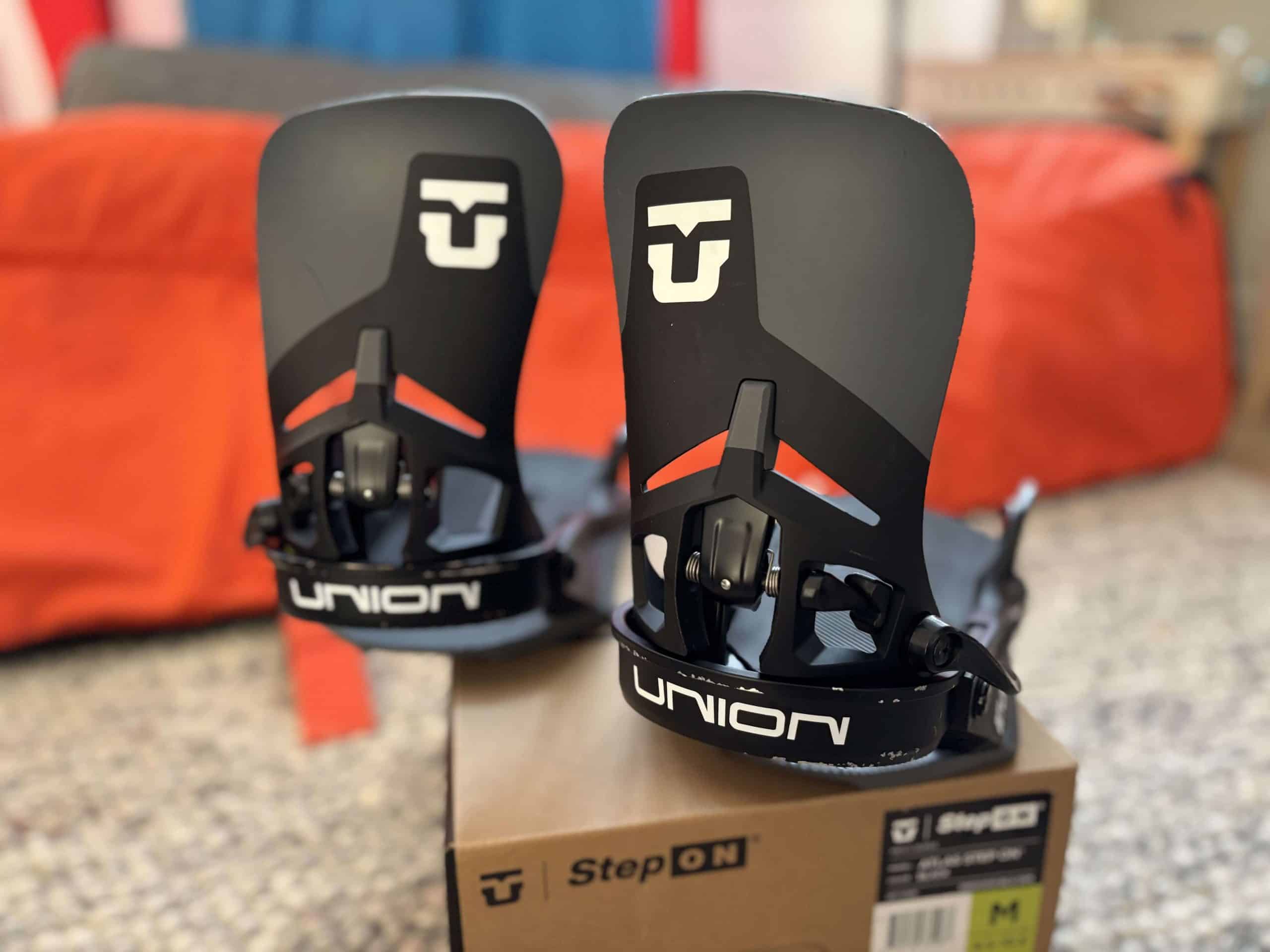
Summary: Union Atlas Step On Bindings
The first Step On binding I've ridden that I'd genuinely choose over straps. The Atlas feels quick, direct and properly responsive without being harsh, and it worked brilliantly with the DC Judge Step On boots. I noticed a little more movement around the heel than expected and getting in is trickier in really deep snow, but neither stopped me wanting to keep riding them.
- Fast, easy entry and exit
- Responsive without feeling harsh
- Feels like a proper performance binding
- Excellent for teaching and short resort laps
- DC Judge Step On pairing worked brilliantly
- Slightly different feel to traditional straps at first
- A little more heel/binding movement than expected
- Requires compatible Step On boots
- Getting fully locked in can be awkward in very deep snow
Buying through our affiliate links supports the site at no extra cost to you.
How I Tested Them
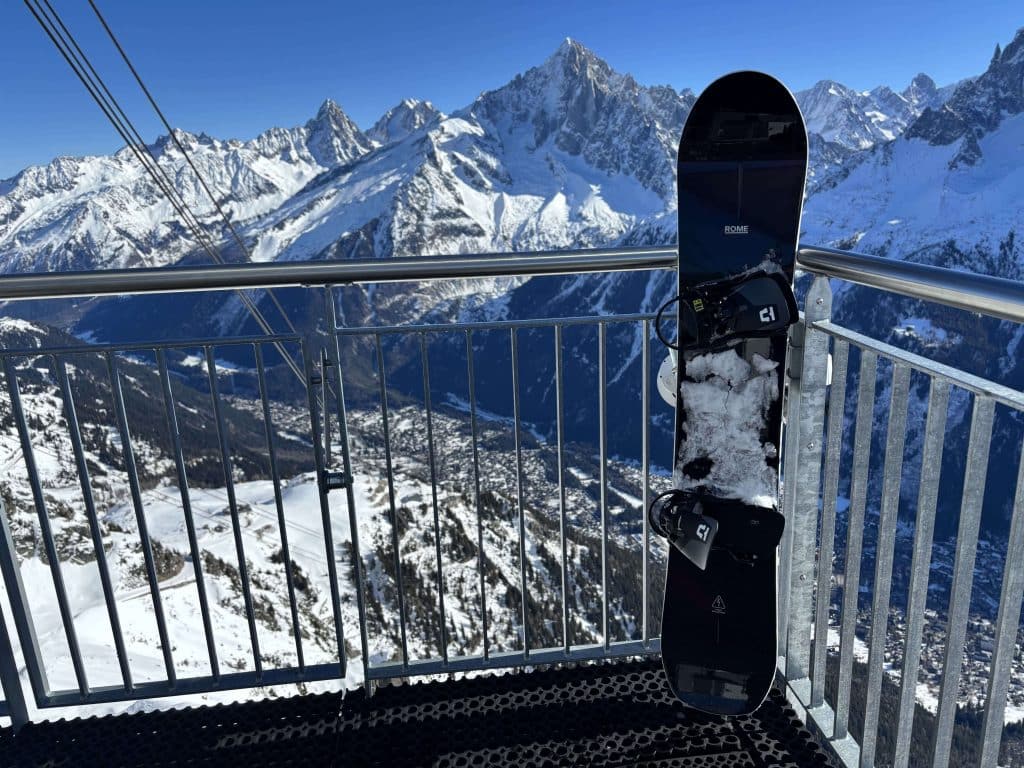
I rode the Atlas Step Ons across a full season, mostly on my Rome Stale Crewzer, with some time on the Bataleon Surfer too. I paired them with the DC Judge Step On boots throughout.
A couple of our other testers also rode them across different board and boot combinations, so we compared notes along the way.
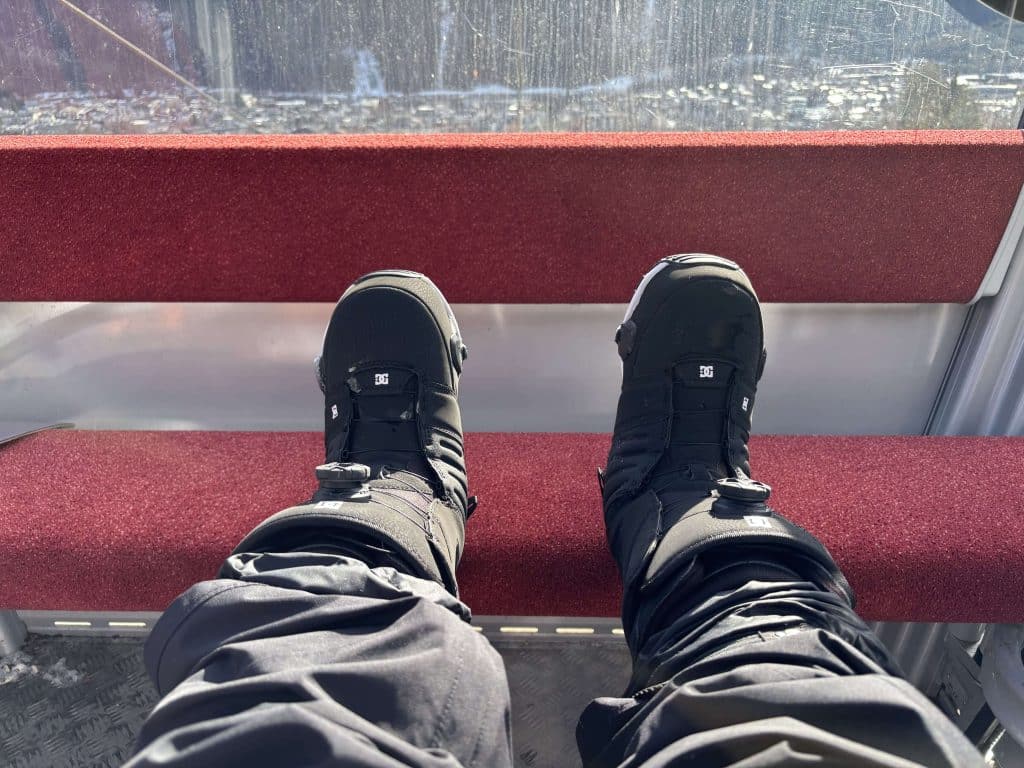
They’ve been ridden in Chamonix and briefly in Japan, covering everything from lessons and normal resort laps to some properly deep powder.
Update: I’ve now also used them for some indoor freestyle sessions, as well as an unexpected trip to the Les Deux Alpes glacier this summer.
Getting In and Out
There’s definitely a knack to it.
The first time I clicked in, pointed downhill and took off, I ate shit. They feel slightly different to straps and it took a few runs before everything felt completely natural.
You get three distinct clicks: the heel, then either side of the boot. I found it easiest to get the heel first, then twist and press the inside and outside of my foot down until everything clicked into place.
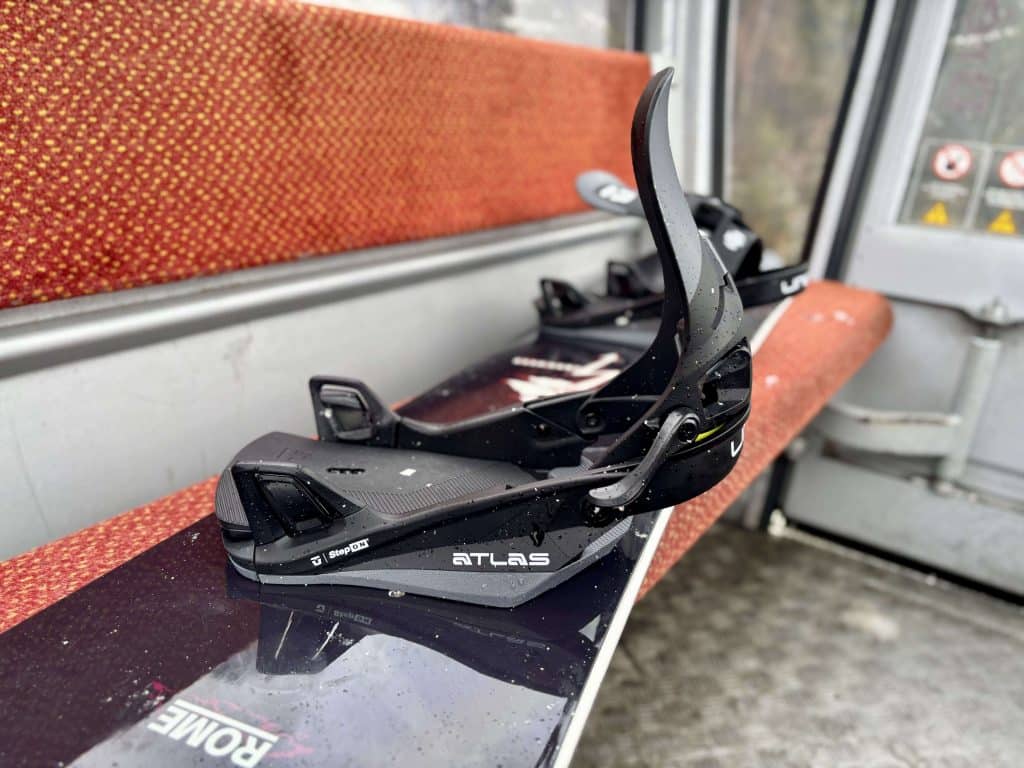
The heel caught me out initially. There’s a lighter first click where the boot feels engaged, then a much more definite second click when you properly press it home. You want that second one.
Once I’d figured that out, getting in was quick. Doing it while moving, like you see some pros doing, is considerably harder than it looks.
Getting in on the chairlift was surprisingly easy though. With the bar down, I could push against the footrest, click everything into place and ride straight off.
For teaching and short laps, that’s freaking brilliant.
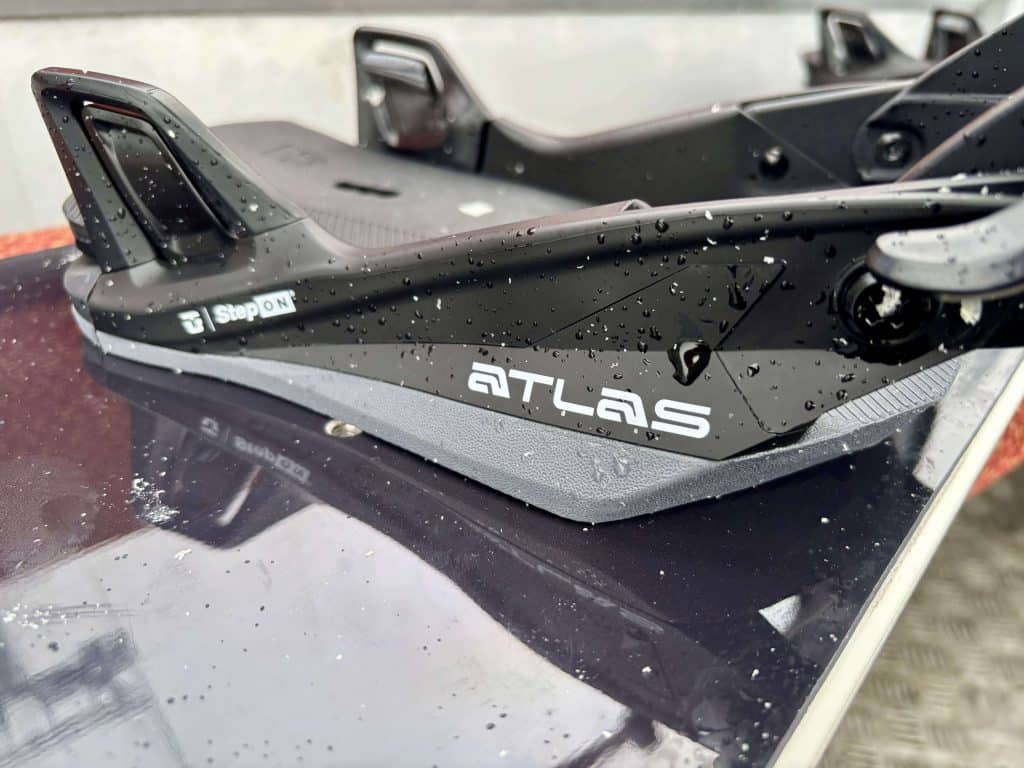
Deep powder is trickier because you need something solid underneath you to get the heel fully locked in. Traditional straps aren’t exactly fun when you’re buried in Japanese powder either, though, so I wouldn’t hold that too strongly against them.
How Do They Ride?
This is where the Atlas Step Ons won me over.
They feel more direct than traditional straps. Not brutally stiff or twitchy, just very quick from boot movement to board response. That probably explains why I ate snow on my first run. Everything happened slightly sooner than I expected.
Once I’d adjusted, I loved it.
They still feel like an Atlas too. Powerful, supportive and happy being ridden hard. The Step On bit feels secondary to the fact that they’re just really good bindings.
There’s a decent amount of cushioning underfoot too. Union uses its Hi-Flex EVA bushing between the baseplate and the board, which takes some of the harshness out without making the binding feel sketchy.
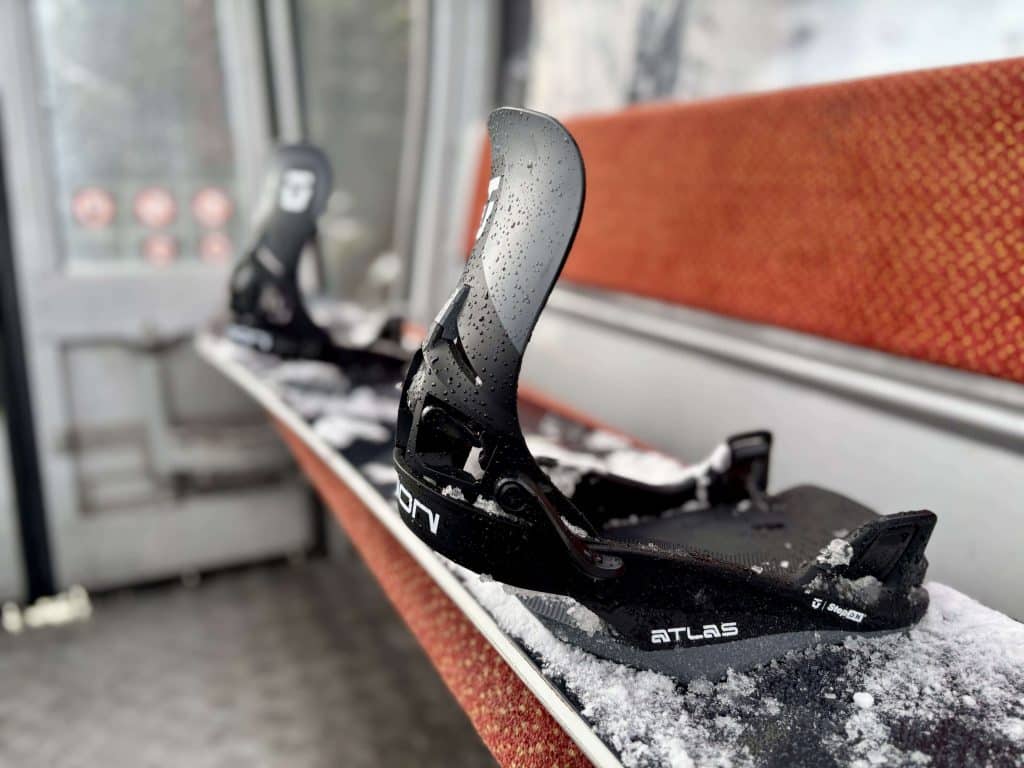
Board feel isn’t quite as natural as a good traditional two-strap binding. There’s a slightly more locked-in feel through the boot, but the trade-off is that very direct edge-to-edge response, which I really liked.
I did notice more movement at the heel than I expected, particularly on toeside turns. Not heel lift inside the boot, but the boot and binding moving slightly together. Interestingly, when I swapped back to traditional bindings there was more movement there than I’d imagined too, so I may have been overthinking it slightly.
And having eventually figured out that second heel click, I suspect some of what I noticed early on was simply me not being fully locked in.
Either way, it never translated into a vague feeling on snow. Quite the opposite.
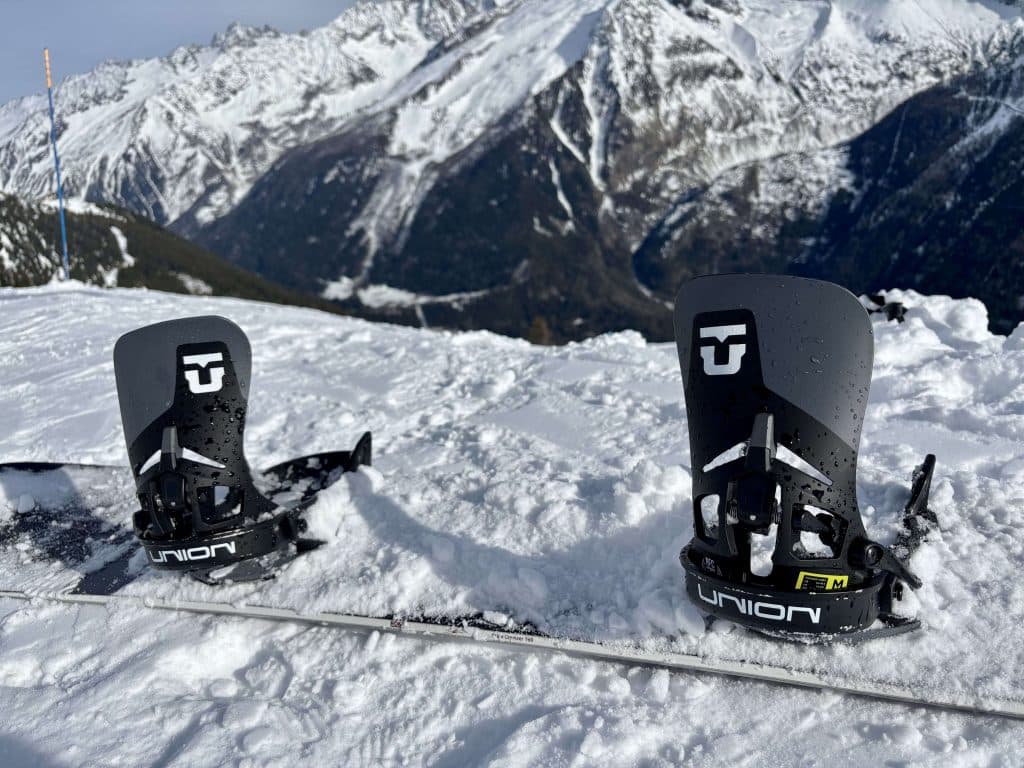
The one thing I did miss was being able to give my straps an extra ratchet before a gnarly drop-in or a bigger trick. It probably makes very little difference, but that little extra crank has always made me feel more locked in.
With these, the closest equivalent is tightening the BOA on your boots, but push that too far and you’re just crushing your foot.
That was about the only time I really found myself wishing for straps again. The rest of the time, I barely thought about them.
Forward lean adjustment is admittedly pretty basic. You get two little plastic inserts that swap in and out to give you two forward lean settings. I preferred the more aggressive one.
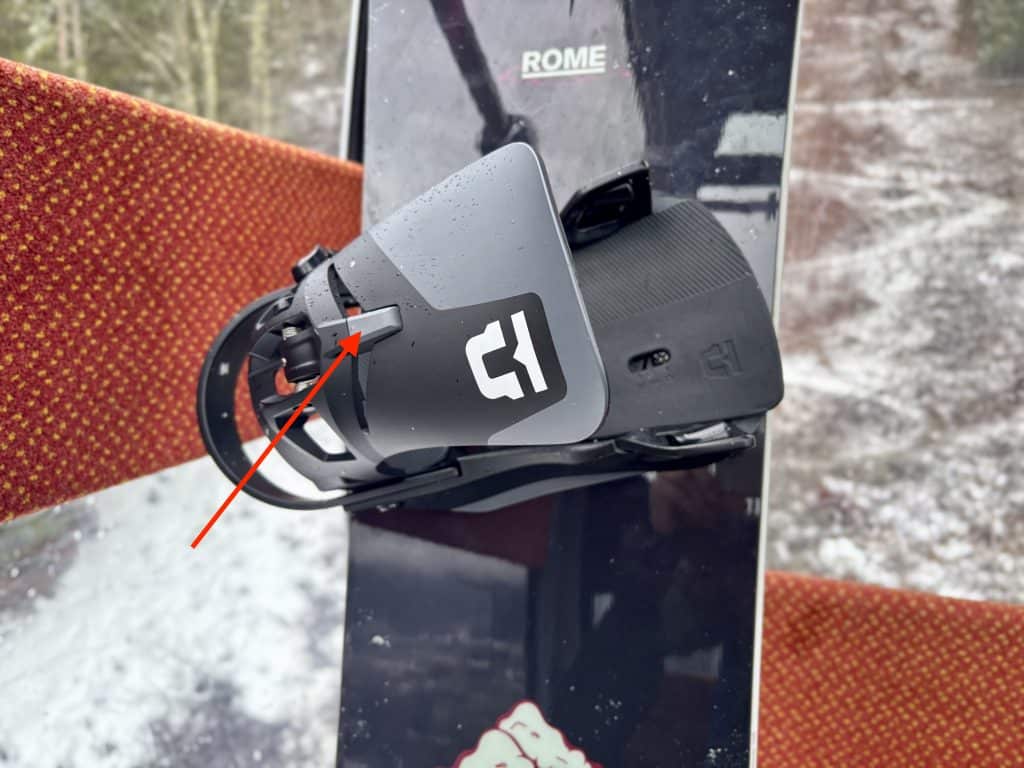
Swapping them over is scary the first time. You have to bend the highback and force the insert in far harder than feels sensible. The first time I did it I was fairly convinced I was about to break something. Fortunately, these things feel much sturdier than their Burton counterparts.
Comfort
I was slightly worried the fixed connection points might create pressure spots or make the whole setup feel unforgiving over a long day. They didn’t.
The DC Judge obviously plays a big part here, but I’ve done full days in this setup without any weird pressure or discomfort from the binding itself.
In fact, not having straps to overtighten is quite nice. I’m terrible for giving mine another click and then wondering two runs later why my foot hurts.
Durability
After a full season, I’ve got very little to complain about here.
The only obvious wear on mine is some chipped paint across the metal heelcup. You can see it in the photo below, but I know exactly where that’s come from; I rest the binding against the chairlift footrest with the bar down.
So I’m not going to blame Union for that one.
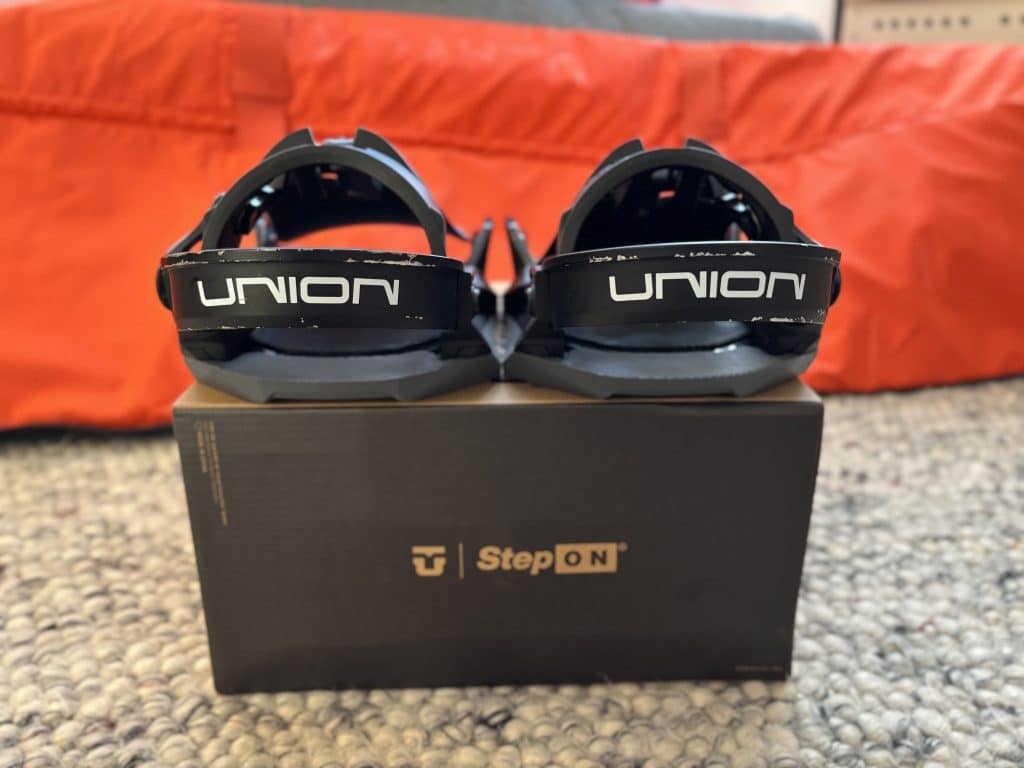
Otherwise, nothing has loosened, cracked or developed any worrying play. The Step On mechanism and release levers are still working exactly as they did at the start of the season.
After the hammock highback eventually snapped on my Burton Genesis, that was something I was particularly interested in.
I wouldn’t hesitate to put another season on these.
Union Atlas Step On vs Burton Step On
I’ve ridden quite a few Burton Step Ons over the years, including the original Step On, Step On X and Genesis.
The X was definitely my favorite of the Burton versions. I hated the response from the Genesis, and eventually the hammock highback snapped, which didn’t exactly improve my opinion of them.
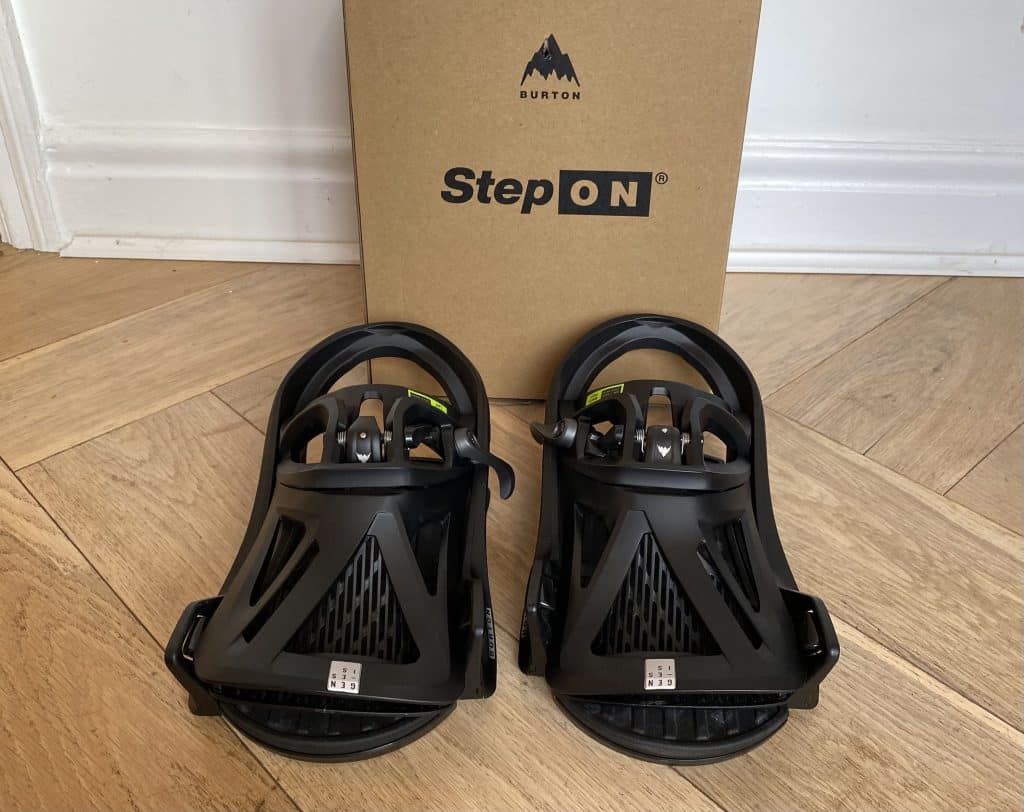
The Union Atlas is comfortably my favorite.
It feels more like a proper performance binding to me. Quick and direct without being overly stiff, and after the initial adjustment period I stopped thinking about the Step On system altogether.
There is one area where Burton has the advantage: adjustment. The Atlas only gives you two forward lean settings using interchangeable inserts, whereas Burton gives you finer control.
Boot choice matters too. Burton boots have never worked particularly well with my feet, while the DC Judge fits me much better. That’s obviously going to influence the comparison.
But having owned and ridden both systems, if I were buying a Step On setup, I’d 100% take the Atlas.
What About FASE and Supermatic?
Step On isn’t the only game in town anymore.
I’ve ridden the Nidecker Supermatic too and they’re not bad at all. The obvious advantage is that you can use normal snowboard boots, but they’re heavy and I’ve never particularly liked the strap setup.
FASE is my favorite alternative. You still get normal straps and can use whatever boots you want, but getting in and out is considerably quicker than a traditional binding.
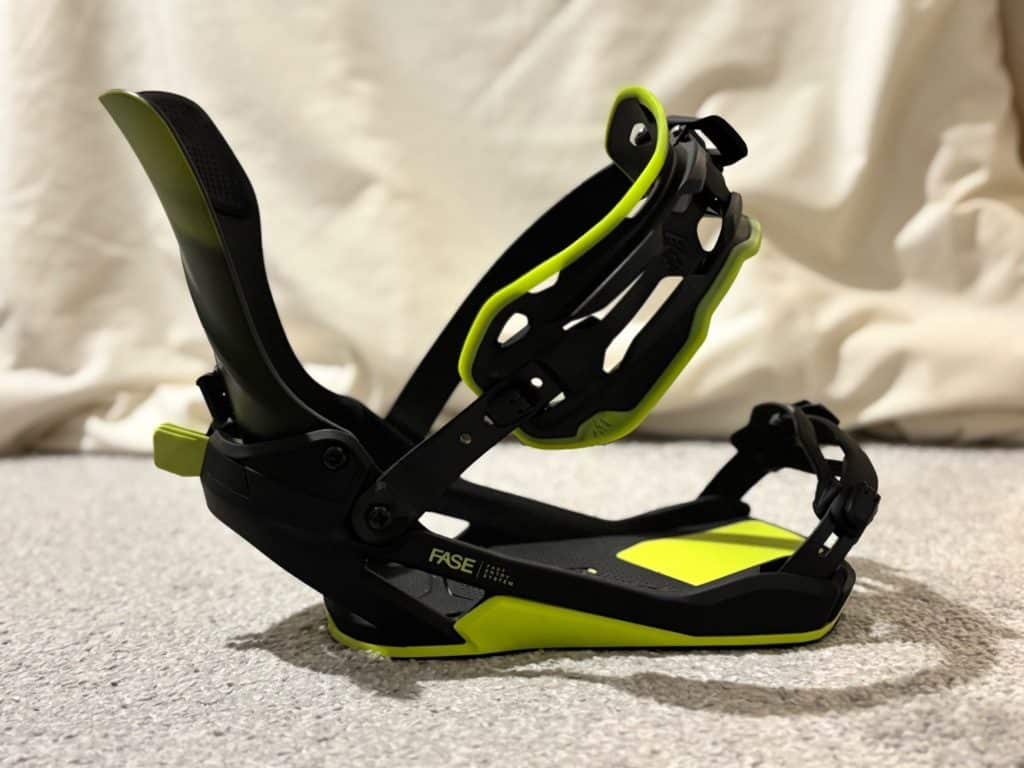
It feels less like a completely different binding system and more like someone has just made normal bindings easier to live with.
If you absolutely want the fastest, cleanest step-in system, I’d take the Atlas. If you want to keep normal boots and something closer to a traditional binding, I’d go FASE (particularly the Rome Katana FASE).
Who Should Buy the Union Atlas Step On?
I think these make the most sense for riders who like the idea of Step On but still want their bindings to feel properly responsive.
They’re responsive enough for aggressive riding, comfortable enough for full resort days and ridiculously convenient if you’re constantly getting in and out. Instructors, parents riding with kids and anyone smashing out short laps will get even more from that.
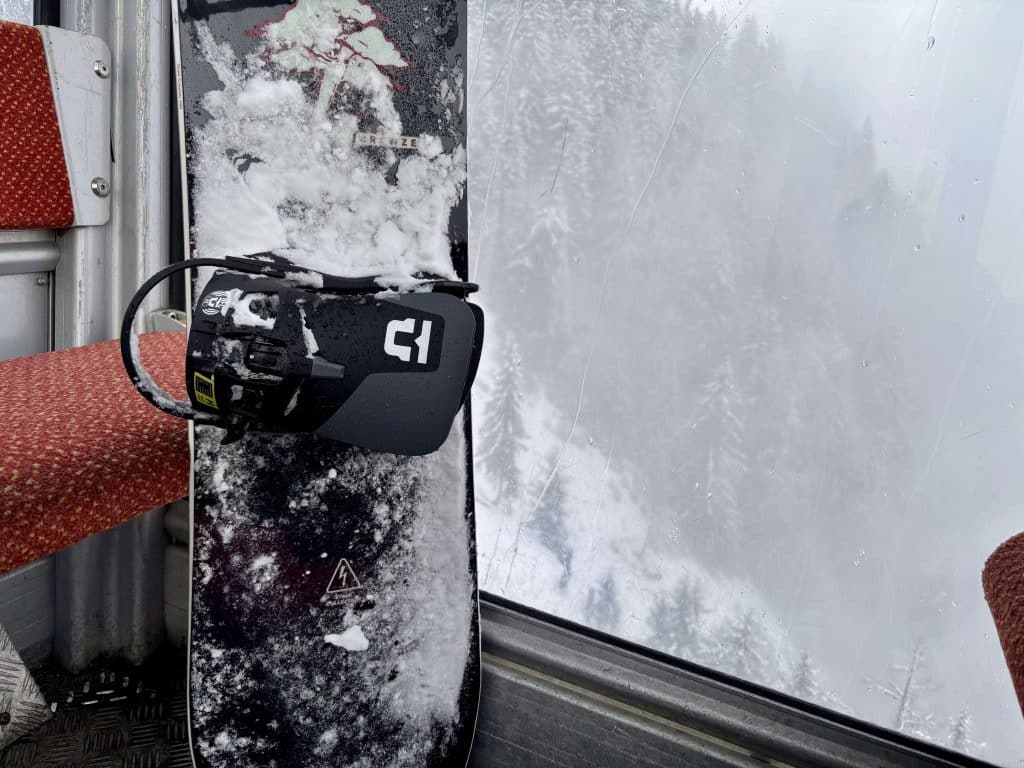
I wouldn’t buy them if you want loads of adjustability, hate being locked into Step On-compatible boots or just prefer the feel of straps. And if keeping your existing boots is important, I’d look seriously at FASE instead.
But if you’ve already decided you want Step Ons, these are the ones I’d buy.
Verdict
I really wanted the Atlas Step Ons to be good. After a full season on them, they’re better than I expected.
They’re quick to get into, responsive enough to ride hard and, most importantly, they don’t feel like you’re sacrificing how a binding rides just to get in quicker. Once I’d got used to the slightly different feel, I pretty much stopped thinking about the fact I was riding Step Ons.
They’re not perfect. The forward lean adjustment is limited, getting properly clicked in can be awkward in deep powder and you’re still committing yourself to Step On-compatible boots.
But none of that would stop me buying them.
I’ve ridden the original Burton Step On, the X and the Genesis, and the Union Atlas is the best Step On snowboard binding I’ve used so far. By a mile.
And there’s an Atlas Pro Step On for 2027, which is stiffer and more aggressive. Could it be even better? I’ll update you if I manage to test a pair.
Annoyingly, I think they’ve finally converted me. Goddammit. Union got me.

