
I’ll be upfront. This isn’t a piece of kit most of you need.
I reviewed the Iguchi Slack Vest out of curiosity more than anything. Plus, I freaking love Bryan Iguchi.
I’ve spent enough time touring, splitting and dealing with awkward transitions to appreciate anything that genuinely makes life easier. But I’ve also seen plenty of overbuilt backcountry gear that looks impressive and ends up being a pain in the ass to actually use.
This vest sits in a sort of weird space between pack and outerwear. It’s clearly designed for riders (like me) who are moving around a lot, digging, carrying tools and wanting fast access without constantly dealing with a pack.
I’ve put it to use in conditions where storage, access and comfort really matter. After some proper time wearing it, here’s how it actually holds up.

Summary: Volcom Iguchi Slack Vest
This isn’t trying to replace a full backpack and it’s not a fashion piece. The Iguchi Slack Vest is a purpose-built way to carry safety gear and essentials without committing to a full pack. Keeping the weight closer to your body makes it feel more natural to ride in, and the layout is clearly designed by someone who actually spends time digging, hiking and moving around in the mountains.
- Secure, well-organised shovel and probe carry
- Thoughtful storage layout
- Comfortable when riding, digging and moving
- Durable materials in high-wear areas
- Useful alternative to a pack in specific scenarios
- Looks pretty epic (even though it’s not a fashion piece)
- Fairly niche use case
- Not a replacement for a full backpack
- Limited weather protection
About The Volcom Iguchi Vest
The Iguchi Slack Vest sits in a weird middle ground, which is kind of the point. It’s not a backpack, not a minimalist chest rig and definitely not something aimed at resort laps. It’s built for moving around in the backcountry when you still need tools, radios and bits of kit on you, but don’t want a full pack on your back the entire time.
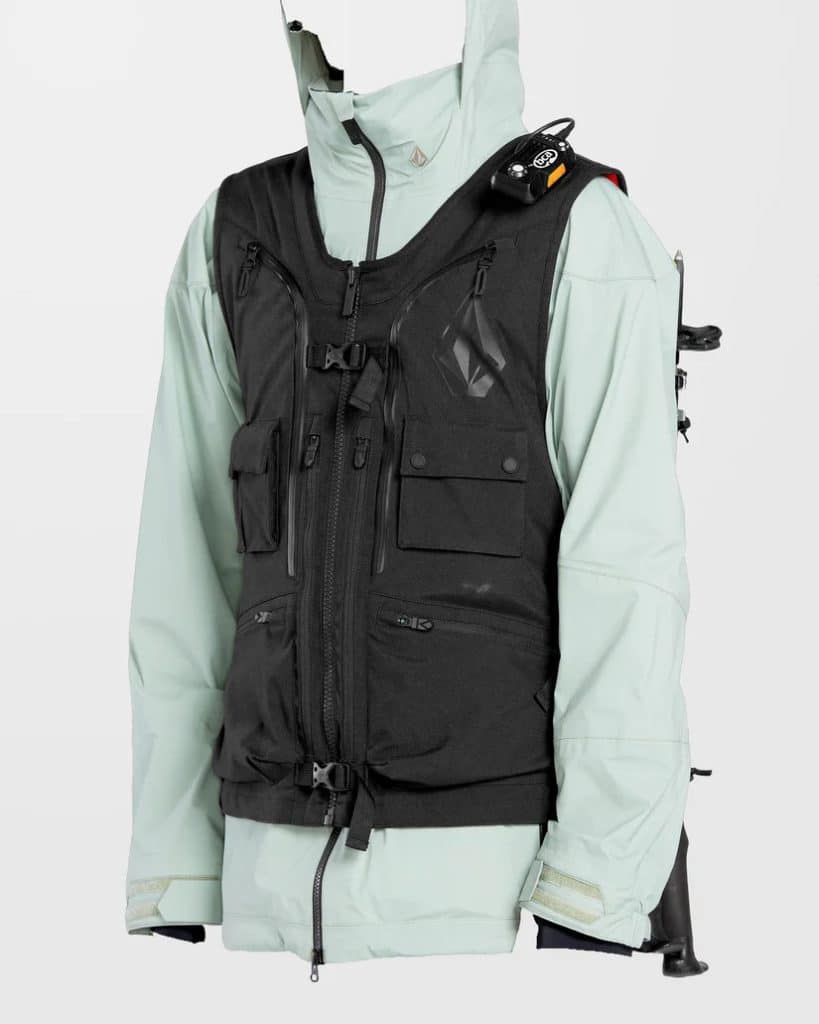

It’s part of Bryan Iguchi’s line with Volcom and it actually feels like it. I freaking love Guch by the way, incase I hadn’t already mentioned that. As you’d expect, this isn’t trend-led gear or lifestyle fluff. The layout, materials and padding all point to digging, hiking, snowmobiling and generally being on your feet doing epic stuff. Storage is focused on shovel, probe, radio and essentials, with enough adjustment to sit comfortably over layers without bouncing around.
Think of it as a utility piece. It exists to solve a specific problem, not to replace everything else you own.
Full Review
I took the Slack Vest out on a sidecountry tour with an overnight stop, where mobility and organisation mattered more than gear volume (the refuge was pre-stocked with sleep gear and bulkier items, so I wasn’t relying on the vest for that).
I knew I’d be moving with students, stopping a lot, digging, transitioning and generally being on and off skis and board all day. The vest handled the tools and essentials I wanted close at hand, while anything more negotiable lived elsewhere.
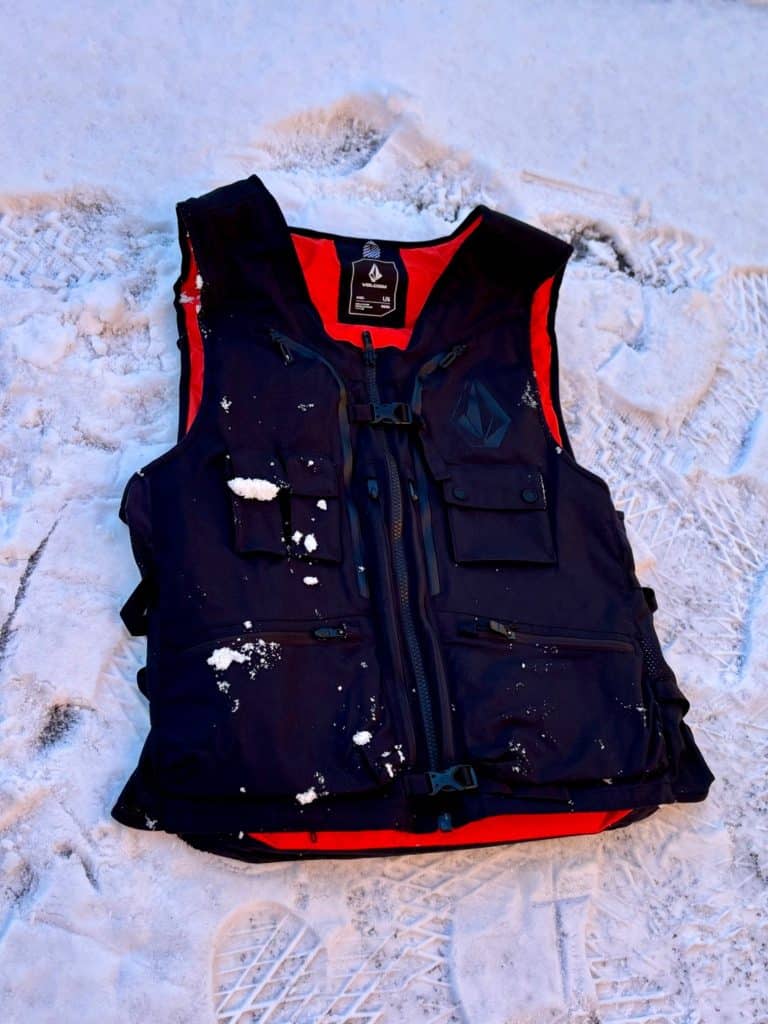
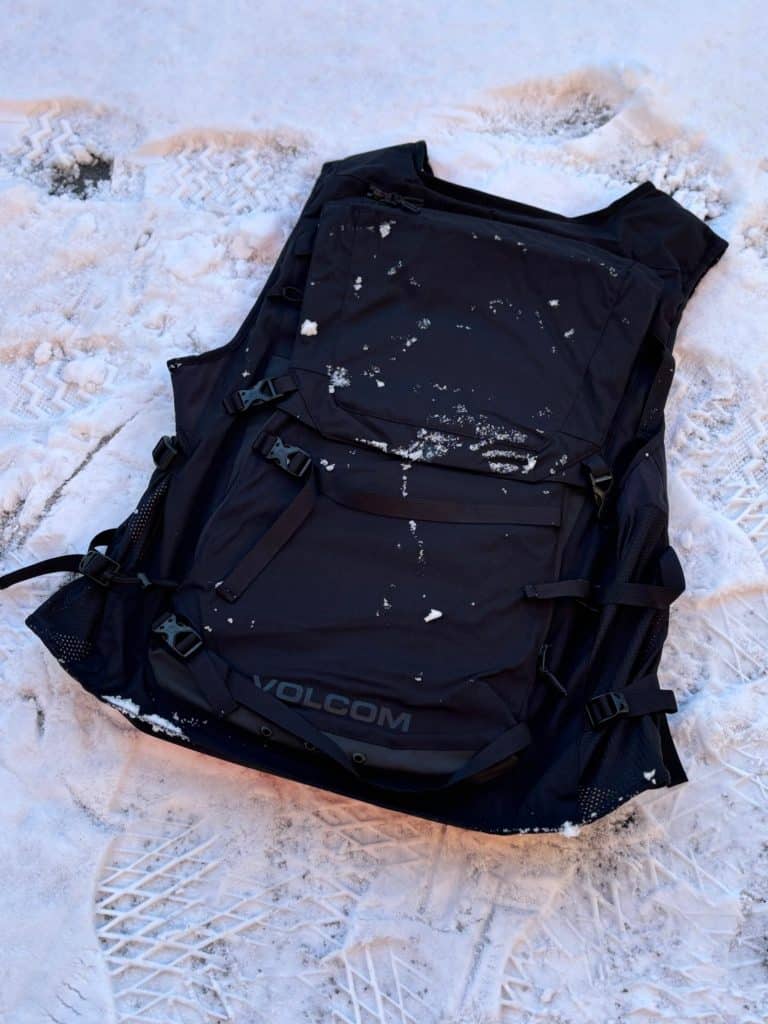
It saw some pretty hardcore use. Hiking, skinning, digging, standing around in wind, moving between groups and plenty of time wearing it while actually riding. That’s usually where gear starts to annoy me if it’s going to.
1. Fit and Feel
This is where the Slack Vest starts to make sense. Once it’s adjusted, it sits close to your body and doesn’t move around much. No bouncing, no flapping, no feeling like you’re carrying something that’s fighting you when you hike or dig.
What stood out most was how different it feels compared to riding with a backpack. Even a light pack pulls you slightly onto your heels on a board, especially on steeper or firmer terrain. With the vest, the weight sits closer to your centre and feels more neutral. It’s subtle, but noticeable once you pay attention to it.
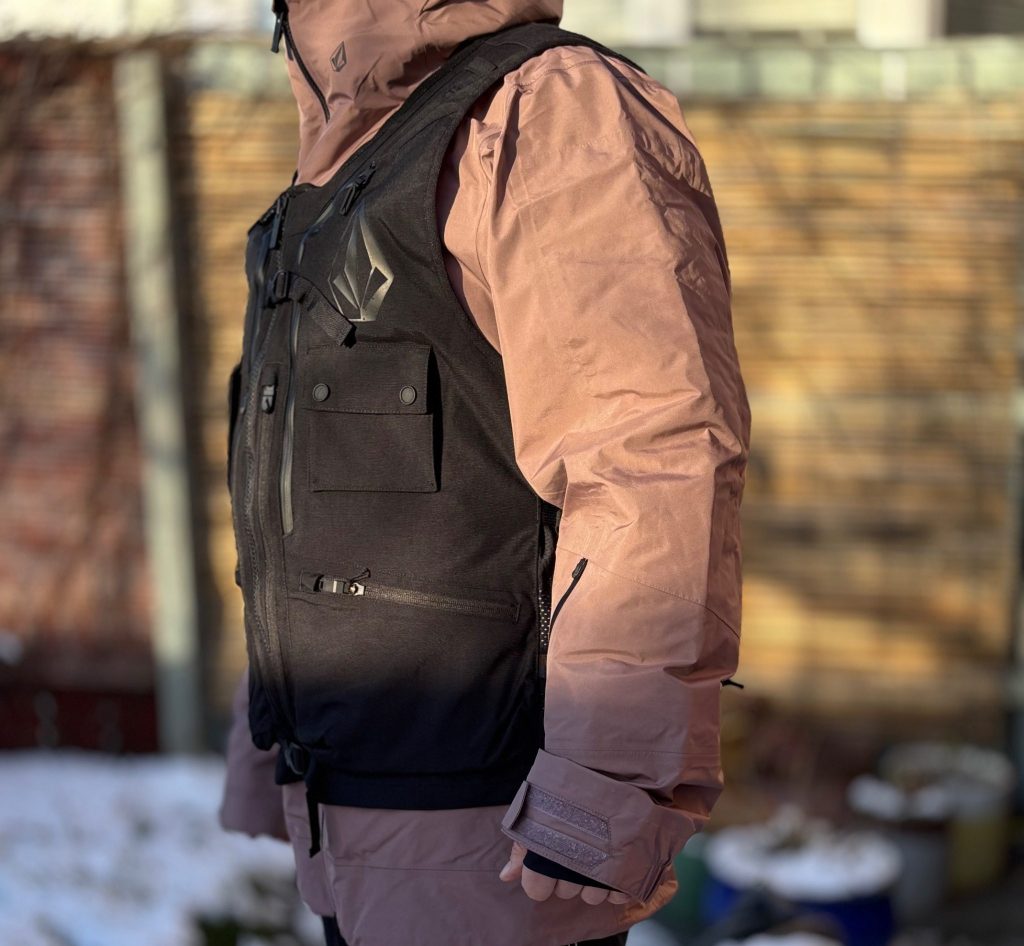

The shoulder padding is just enough to stay comfortable when you’re bent over working and the side panels give enough adjustment to wear it over layers without feeling boxed in (I mostly wore it with a lightly insulated shell, the TDS Infrared). I never felt restricted skinning, booting, or moving around with students.
2. Performance and Layout
The layout is clearly designed by someone who actually uses this stuff. Shovel, probe, radio, snacks, gloves, phone, goggles, all have obvious places. And once you take the vest off, everything is easy to see and grab.
That last part matters. This isn’t about grabbing tools while wearing it. It’s about not having to unpack a backpack or dig through layers of stuff every time you stop. For teaching, group management, riding with kids, or repeated transitions, that saves time and mental energy.
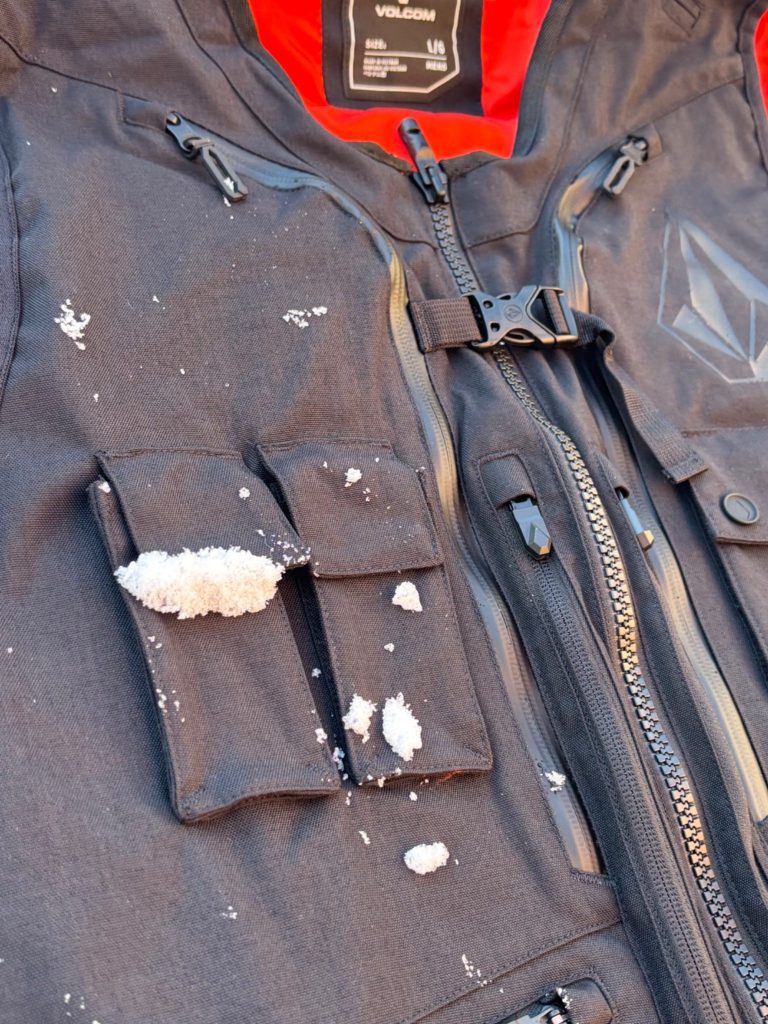
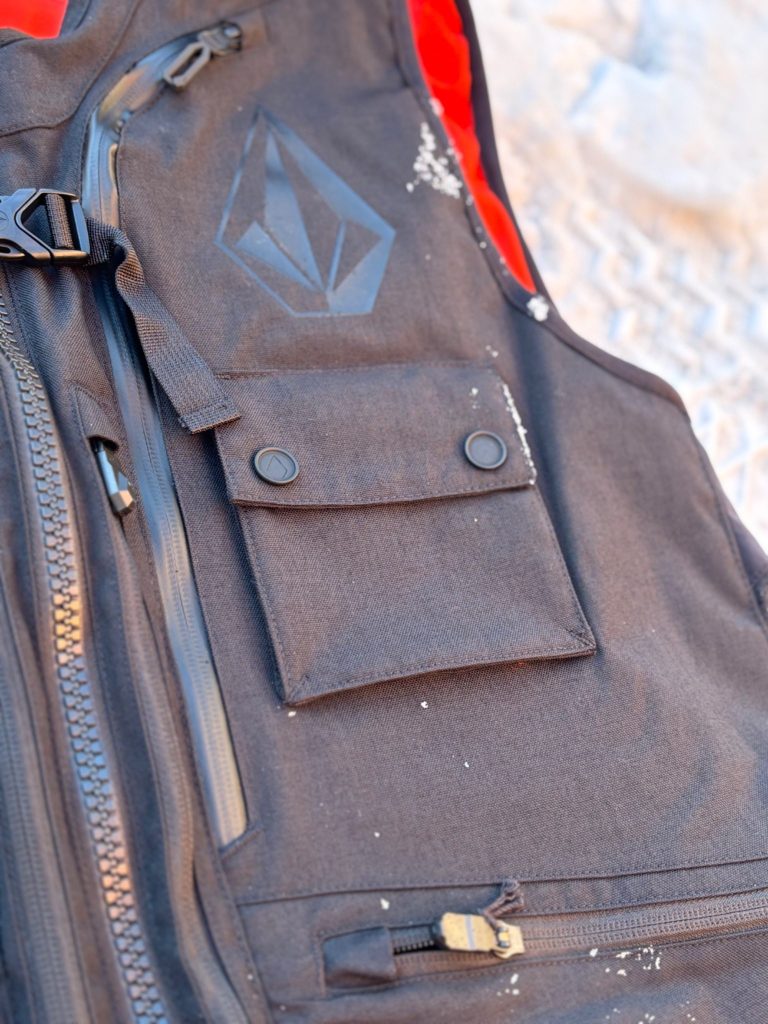
I also get why people use this in the resort. If you hate riding with a backpack but still want to carry snacks, extra gloves, sunglasses, or kid-related chaos, this does that job surprisingly well without feeling bulky.
3. Weight and Riding Experience
The biggest advantage over a backpack isn’t storage, it’s how it rides. With the weight closer to your body, there’s less pull backwards and less compensation happening without you realising it. On a board especially, that makes a difference over a full day.
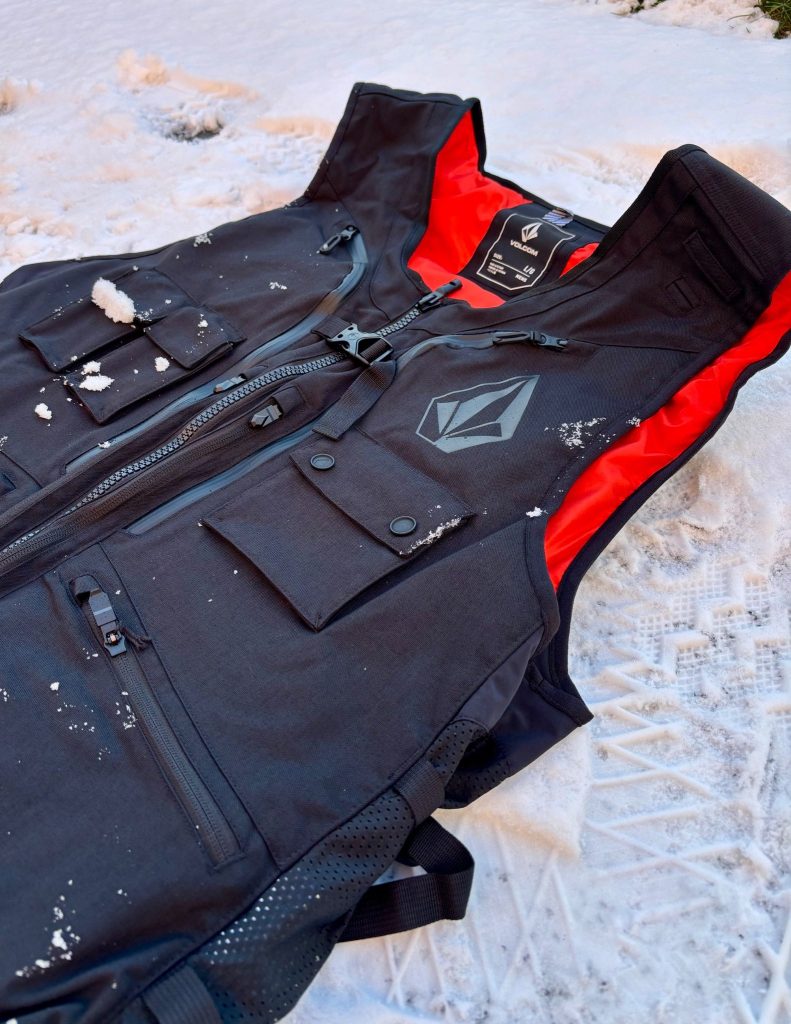
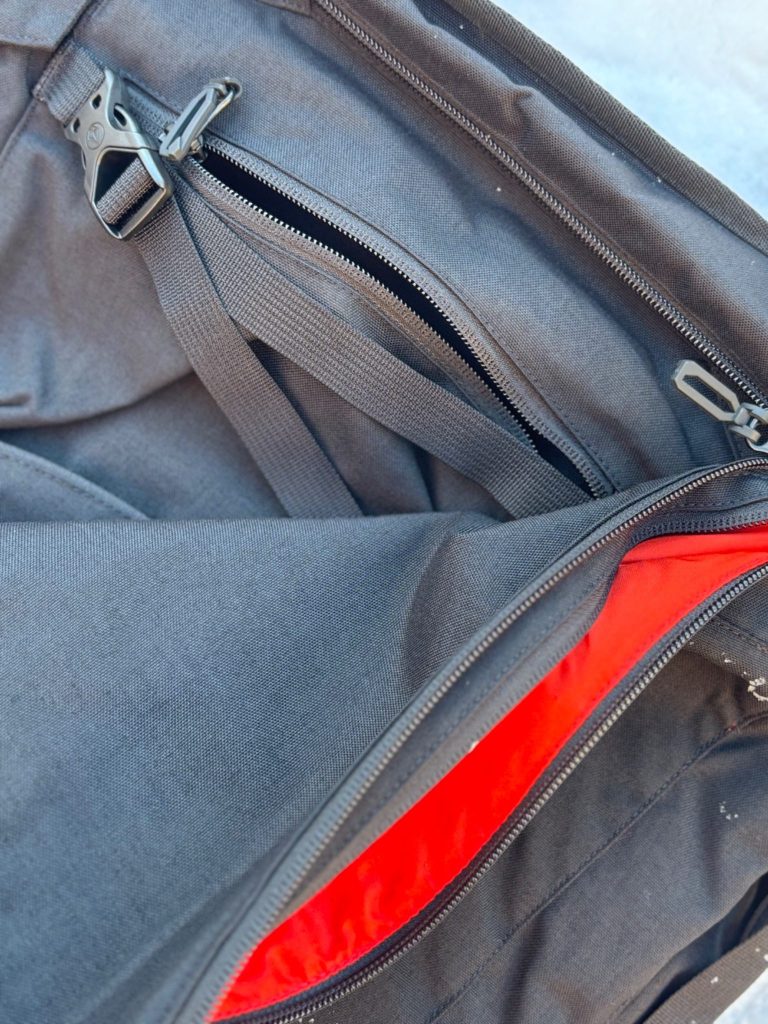
It doesn’t feel lighter on a scale, but it feels lighter while riding. That’s the distinction. You’re not constantly aware of something sitting behind you, which makes movement feel more natural, especially when things get steep or awkward.
4. Durability and Build
Everything about this vest feels overbuilt in a good way. Fabrics are thick where they need to be, stretch panels recover well and the zips feel like they’ll survive years of abuse. I wasn’t careful with it and never felt like I had to be.
Longevity obviously takes time to prove, but nothing about the construction feels flimsy or short-term. This doesn’t feel like a seasonal novelty piece. I’ll update the review at the end of the season!
5. When it Makes Sense
This vest makes sense when you already know a full pack is annoying or unnecessary. Sidecountry laps, teaching, guiding, riding with kids, short tours, snowmobile access, or resort days where you want storage without the backpack feel.
It does not replace a real touring pack when you need layers, water, emergency gear, or overnight capacity. It’s a deliberate choice, not a compromise.
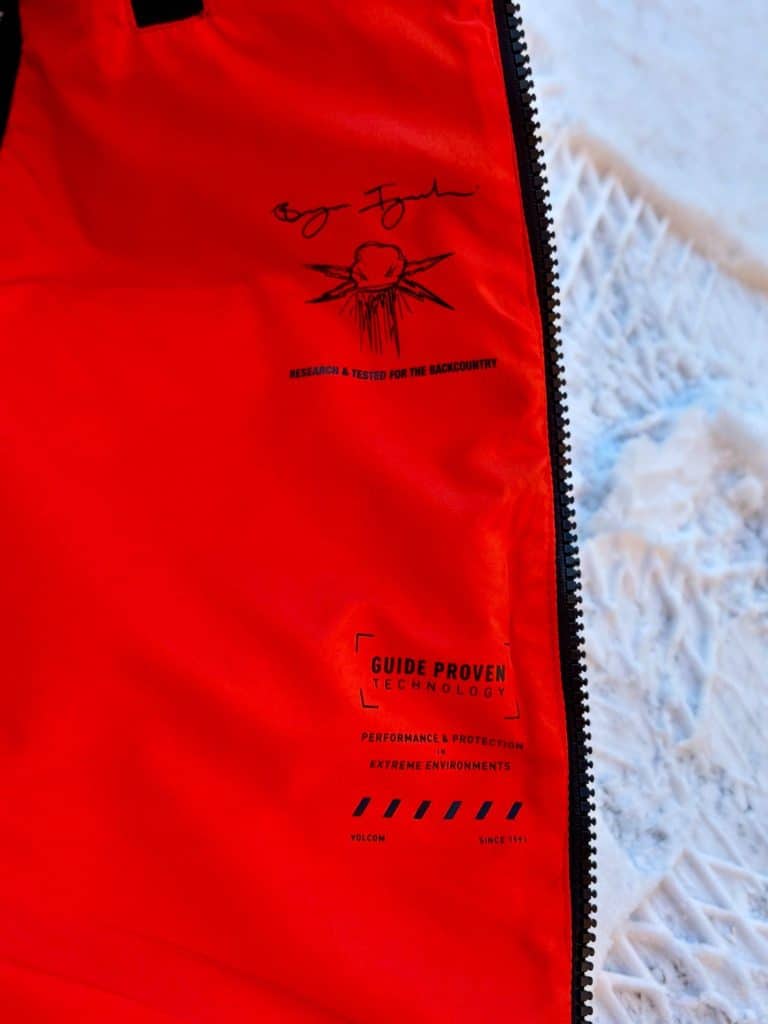
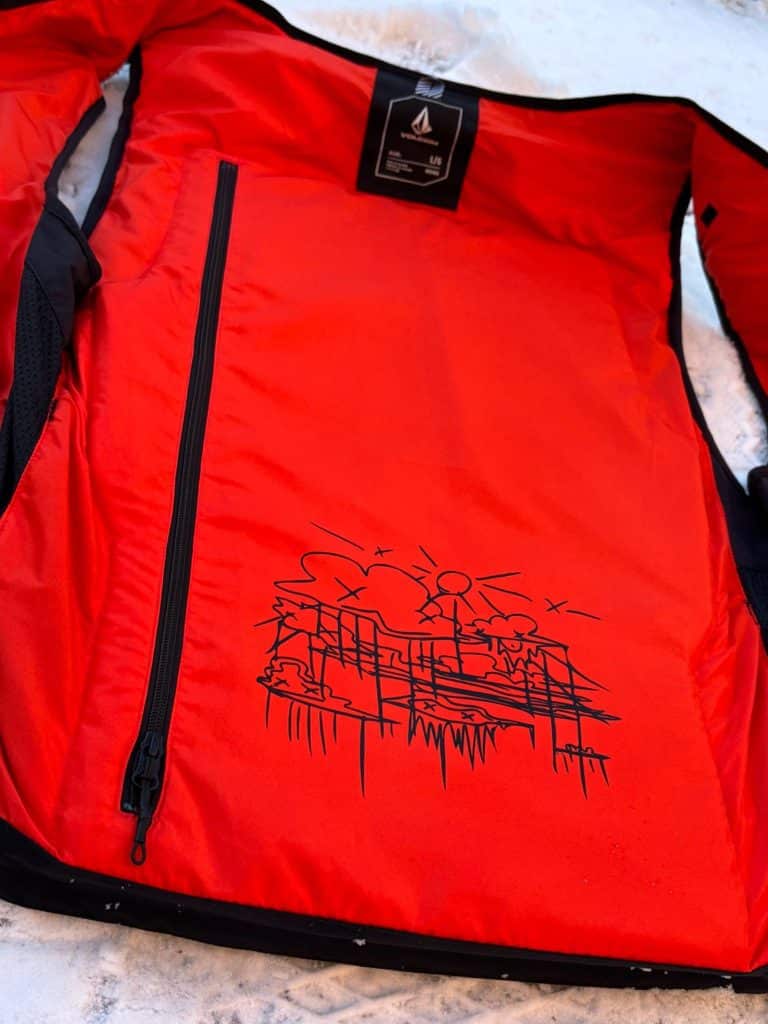
These pics aren’t especially relevant, but I thought I’d show off some of the design features. Nice touch, right?
6. Pros & Cons
- ✔ Carries tools and essentials without a backpack
- ✔ Weight sits closer to the body and rides more naturally
- ✔ Comfortable for hiking, digging and long days on snow
- ✔ Thoughtful layout for real backcountry and utility use
- ✔ Looks pretty epic (even though it’s not a fashion piece)
- ✖ Fairly specific use case
- ✖ Not a replacement for a touring pack
- ✖ Expensive for what is ultimately a specialist piece
Verdict
The Iguchi Slack Vest is great for the right person. Those who already know when a backpack feels unnecessary or actively annoying. If you spend time teaching, guiding, riding with kids, doing short tours, or moving around a lot on or off your board, this solves a real problem in a way a pack never quite does.
I wouldn’t take it everywhere, and I wouldn’t recommend it to someone just getting into backcountry travel. But for the right rider, it’s one of those pieces that quietly becomes part of your regular kit.
Final Thoughts
This is one of those bits of gear that makes sense for fairly a specific use case. It’s expensive, it’s niche and it definitely isn’t essential. But it’s also very well thought out, comfortable to wear all day and genuinely useful if you ride in situations where mobility matters more than carrying capacity.
For me, it earns its place. It fills a gap that backpacks never quite nailed. Kudos Volcom (and Guch).

