I’ve always liked fairly substantial impact protection. My Demon Flexforce shorts have taken plenty of punishment over the years, and I’m quite happy putting up with a bit of bulk when I know I’m going to be falling on my ass (which happens far too often).
But there are days when I really can’t be bothered wearing all that armour.
That’s where the Demon Zero RF shorts come in. I’ve been riding them as a lighter alternative to my Flexforce, and I’ve ended up liking them more than I expected.
Don’t mistake them for some wafer-thin padded underwear. There’s still a decent amount of padding around your hips and tailbone. They’re just a bit lighter, easier to wear and cheaper.
Demon Zero RF D3O Impact Shorts
I've been wearing these on days when I can't be bothered with the extra weight of my Flexforce shorts. There's still plenty of padding, especially around the tailbone, but I find the Zero RF easier to wear all day. They're cheaper, too. I'd still take the Flexforce for the heavier stuff, but I've been pleasantly surprised by how much I like these.
- Substantial D3O padding around the hips and tailbone
- Lighter and less bulky than the Flexforce
- Comfortable enough for full days on snow
- Cheaper than the Flexforce
- Still fairly bulky compared with basic padded shorts
- Less padding and coverage than the Flexforce
Full Review
I’ve worn the Flexforce for years, so the first thing I noticed about the Zero RF was the difference in weight. They’re easier to get on, less restrictive when you’re moving around, and generally a bit nicer to spend a whole day wearing.
I should probably make something clear, though. These aren’t particularly thin shorts. If you’ve only ever worn basic foam impact shorts (like the Bodyprox), the Zero RF will still feel like a fairly serious bit of kit. There’s a decent amount of padding around the hips and backside, and the tailbone protection is substantial.


Side by side, the Zero RF are noticeably lighter than the Flexforce, although that’s difficult to show in a photo. The Flexforce have thicker, firmer padding and feel considerably heavier in your hands. The Zero RF still have a substantial D3O panel over the tailbone, but most of the remaining protection is fairly thick foam. You can feel the difference straight away when you pick them up.
1. Comfort & Fit
The Zero RF have been comfortable enough that I haven’t felt the need to take them off halfway through a day. And I’m incredibly picky about anything that feels restrictive.
The unisex fit also works better than I expected. No weird pressure points, no reliance on crazy compression to keep things in place.


With the Flexforce, I’m always conscious that I’m wearing protective gear. I don’t particularly mind that, especially when I’m expecting to take some heavy falls, but there’s no denying they’re bulky.
The Zero RF are a little more forgiving. I can bend, sit on lifts and move around without feeling quite so padded up. They still add some bulk under your snow pants, particularly around the hips, but nothing that has bothered me while riding.
You’ll see from the pictures, there’s no padding down the front of your legs with the Zero’s – which does make them much more comfortable.


The waistband for the Zero RF is the standard stretchy elastic. It stayed up completely fine for me, but I imagine if you’re on the extreme low end of the size-range you might have to pull them up intermittently. The newest (V7) Flexforce has the same stretchy waist, but with an adjustable sort of “velcro belt” in addition – it’s a great addition but not essential.
One thing I wouldn’t do is buy these expecting the fit of ordinary compression shorts. There’s too much padding for that. Ultimately, you’re not going to get super low profile whilst still being protective.
2. How much protection do you get?
Quite a lot, actually.
The Zero RF have D3O padding around the tailbone (more on this in a second), with additional cushioning around the hips and backside. I’ve taken big falls wearing them and have been happy with how they’ve performed, particularly given that they’re the lighter of my two Demon options.
The tailbone pad is the best part for me. I’ve had enough horrible backward falls over the years to know how much a bruised ass tailbone can ruin a trip (or year). There’s a reassuring amount of material there, and it covers the area I most want protected.


The difference is that the Flexforce have more padding and greater coverage overall. If I’m riding the XL park or expecting to hit the ground particularly hard, I still prefer them.
That doesn’t mean the Zero RF are only suitable for beginners or gentle riding. I’ve been using them for full resort days, and they’ve handled the falls I’ve taken perfectly well. I just wouldn’t expect them to be completely equivalent to the heavier shorts.
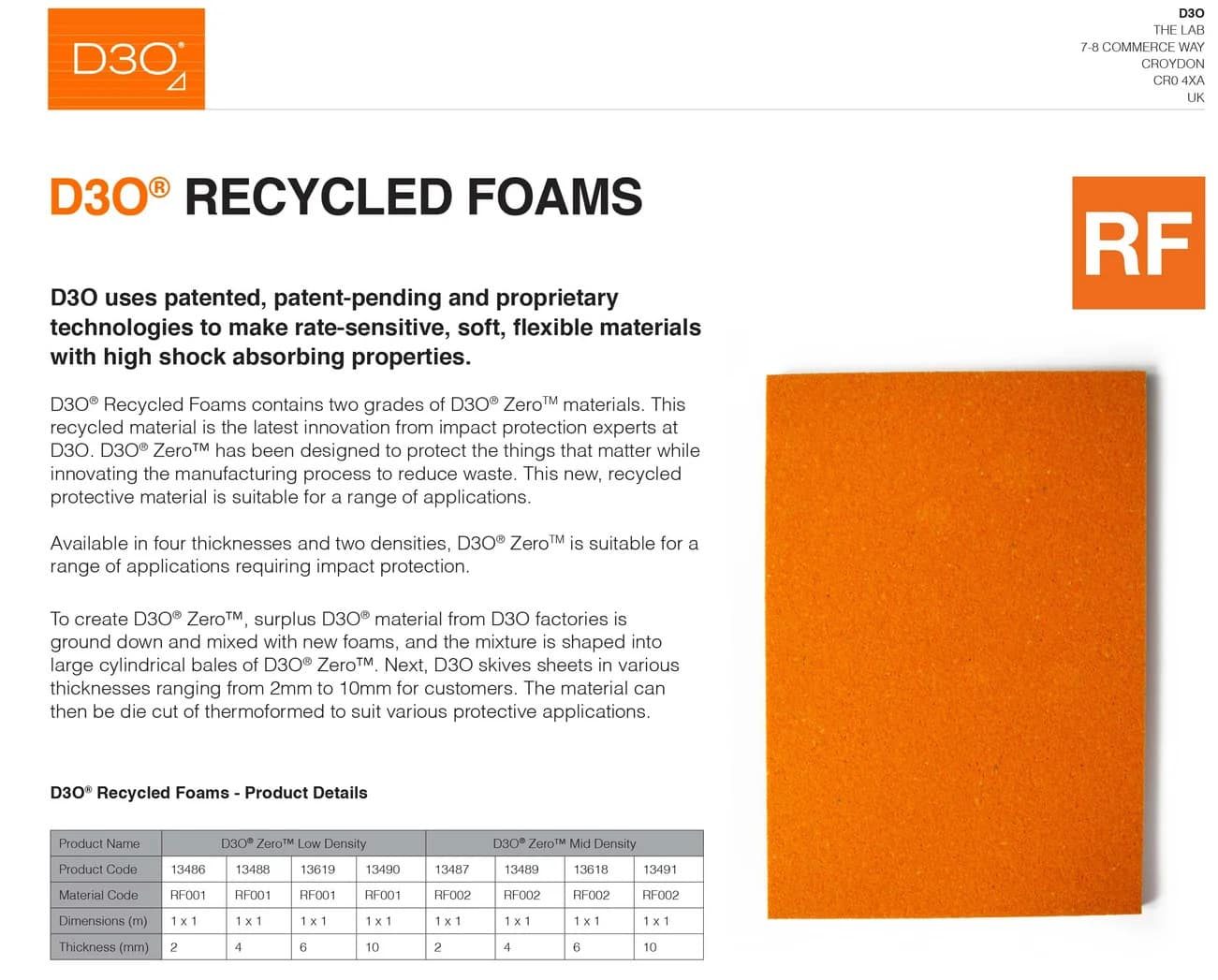
A quick note on the padding itself. The D3O RF (recycled foam) padding is softer and more flexible than traditional hard or dense foam pads, which is a big reason these work.
It gives you real impact absorption without that stiff, armored feeling.
3. How have they held up?
No complaints so far. The padding has stayed in place, the fabric hasn’t noticeably stretched out, and I haven’t had any problems with the shorts moving around while riding.
I haven’t owned this pair for anything like as long as my Flexforce, though, so I’m not going to claim they’ll last a decade. I’ll update this review if that changes!

Zero RF vs Flexforce
I’ve worn the Flexforce for years, and I still prefer them when I’m heading into the park or expecting some harder falls. There’s considerably more padding, particularly around the hips and backside, and the whole thing feels more substantial.
The Zero RF are what I’ve been wearing for regular resort days. They’re lighter, easier to move around in and noticeably less bulky under snow pants. I can spend a full day wearing them without feeling quite so armoured up.
Having both pairs side by side makes the difference pretty obvious. The Flexforce have thicker, firmer padding and cover more of your body. The Zero RF still have a substantial D3O tailbone pad, but the surrounding foam is softer and there’s less of it.
There are even lower profile options (like the Bodyprox & Rippl pictured) but they sacrifice too much protection for me personally.

I wouldn’t tell someone who regularly takes heavy falls to swap their Flexforce for the Zero RF. Equally, I don’t think everyone needs that much protection for a normal day on the mountain. It’s totally about balancing your risk/pain tolerance against bulk and price.
I’ve ended up keeping both. The Flexforce are still my preference when I want maximum protection, but the Zero RF have been getting plenty of use on days when I’d rather wear something lighter.
More padding, firmer protection and better coverage around the hips and lower back. I've worn the Flexforce for years and still prefer them when I'm expecting some harder falls. They're considerably bulkier than the Zero RF, though.
Final Thoughts
I’ve spent years wearing the biggest, most heavily padded shorts I could find, so I wasn’t expecting to be particularly impressed by a lighter pair. But I’ve genuinely enjoyed riding in the Zero RF.
They’re not going to retire my Flexforce, and I wouldn’t want them to. I’ve got far too much affection for those battered old things. But the Zero RF have earned their place in my kit and I suspect they’ll be coming on plenty more trips.
If you’re still shopping around, I’ve compared the other pairs I’ve used in my ski and snowboard impact shorts guide.

I Crash-Tested the Top Impact Shorts
Falling hurts. These shorts don’t. I crash-tested the most popular impact shorts to find out which ones are actually worth wearing.