Helmet headphones are one of those little things that can either make the day better or annoy you until you rip them out on the lift. Most of the cheap ones move around, poke your ears or get drowned out as soon as you pick up speed. I’ve used enough of them to know what works and what is a waste of time.
This list is simple. These are the sets that actually fit inside a ski helmet and stay comfortable for a full day. They sound good, they do not rattle around and they hold up in cold weather without cutting out. Nothing fancy. Just the stuff that works.
🏆 Quick Pick
OutdoorMaster MZ04 are the best ski helmet headphones for most riders. The speakers sit cleanly inside most helmet ear pads, they stay comfortable through a full day and the sound holds up at normal skiing speeds.
There’s usually a bit of extra money off with code CHASERS20.
Top 3 Roundup
Best Ski Helmet Headphones
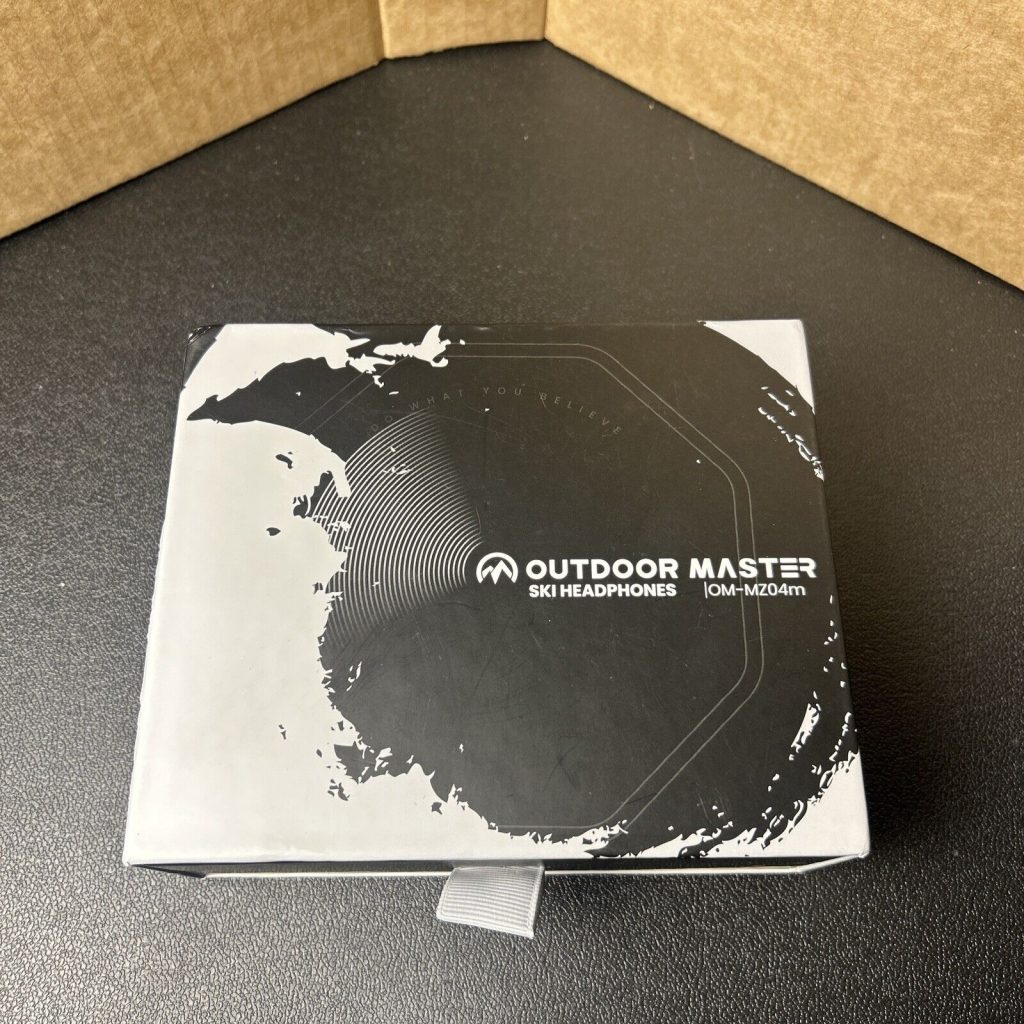
1. OutdoorMaster MZ04 Drop-in Headphones Best Overall Pick
- Drivers: 40 mm speakers built for helmet use
- Connection: Bluetooth wireless with in line mic and controls
- Battery: All day life for normal resort riding
- Fit: Drop in design for audio ready ski and snowboard helmets
- Controls: Large buttons that work with gloves on
Use code CHASERS20 for 20% off
I’ve used a bunch of helmet speakers over the years and most of them fall apart in the same ways. Either the buttons are too small to hit with gloves, the battery dies halfway through the afternoon, or the sound gets drowned out the moment you point your skis/board down something steep.
The MZ04 surprised me because they’re simple and they just work. The sound is clean enough at normal skiing speeds, the buttons are big enough to slap at with thick gloves, and they sit flat inside the ear pads without creating that weird pressure point you sometimes get with thicker chips. I’ve worn these for full days and never felt the urge to take my helmet off for ear relief.
Battery life has been solid. I’ve used them in proper winter temperatures and they held up fine. Calls work better than I expected and the mic doesn’t pick up too much wind unless you’re absolutely hammering it.
They aren’t trying to be premium. They don’t have fancy apps or group chat toys. The audio isn’t going to win over a true headphone nerd either (though no ski helmet headphone will). They’re just reliable speakers that make long chairlift laps and solo days feel better. For the price and the ease of use, they’re the pair I keep reaching for.
Pros
- Comfortable
- Simple, glove friendly controls
- Battery reliably lasts a full resort day
- Well-designed charging case
- Loud enough for actual skiing speed, not just cruising
- Stable Bluetooth connection with no cutting out mid run
- Universal fit - works with most helmets
- Good value, especially with a discount code
Cons
- Not as premium feeling as the Smith/Aleck kit
- No EQ or sound customisation options
- Buttons can feel a bit soft with thick mitts
2. Smith x Aleck Nunchucks Premium Pick
- Drivers: 40 mm speakers made for snow use
- Connection: Bluetooth with app based group comms
- Battery: Long life for full days on the hill
- Fit: Drop in design for Smith and other audio ready helmets
- Controls: Simple button layout for music and calls
The Nunchucks feel more polished than the usual drop-in speakers. The build quality is tighter, the buttons feel more premium and the audio is noticeably cleaner at lower volumes. They slot straight into most Smith (and other brand) helmets without any fuss and stay comfortable all day. The charging plug on them is at the zipper end of the helmet ear covers – a helpful factor not always considered by other options.
The downside is the volume. They’re fine for cruising or teaching, but once you’re charging hard or dealing with wind, they don’t quite hit the same volume as the OutdoorMaster or Chips 3.0. The app features are neat, but I never found myself needing them on the hill. Good product, just not the loudest.
Update: Some of my instructor colleagues highlighted that the group chat and comms features are a little shaky. Connections can drop and most riders eventually gave up on the comms entirely. If you’re buying these purely for music or calls, they work. If you’re buying them for the walkie talkie style features, you’ll probably be frustrated.
Pros
- Clean, premium build quality
- Most comfortable ear pad fit of all the units
- Buttons feel solid and work well with gloves
- Clear audio at normal skiing speeds
- Aleck app has group features some riders will like
Cons
- Lower maximum volume than competitors
- Battery life is decent but not the best
- App features aren’t essential for most skiers or boarders
3. Outdoor Tech Chips 3.0 Popular Pick
- Drivers: Helmet specific speaker chips
- Connection: Bluetooth wireless with mic support
- Battery: Long life for normal resort days
- Fit: Universal chip size for most audio ready helmets
- Controls: Large side buttons that work with gloves
The Chips 3.0 are the classic option everyone knows. They’re simple, tough and loud enough to cut through wind when you’re riding with a bit more speed. I’ve used earlier versions over the years and the design hasn’t changed much, which is probably why they’re still so popular.
They do run a bit bass-heavy, and the big side buttons can feel clunky if you’re wearing thick gloves. Battery life is solid, but not the longest of this group. Still a dependable pick if you want loud, no-nonsense audio and don’t care about apps or fancy extras.
Pros
- Loud enough to cut through wind and faster riding
- Classic, proven drop-in design
- Simple controls and easy pairing
- Durable and reliable in cold conditions
- Good battery life for most riders
Cons
- Bass-heavy sound profile
- Buttons feel bulky with gloves or mitts
- No EQ or customisation options
4. Wildhorn Alta Headphones Best Value Pick
- Drivers: 40 mm speakers for clear music on snow
- Connection: Bluetooth with built in mic
- Battery: All day life in normal conditions
- Fit: Designed to slip into most audio ready helmets
- Controls: Simple three button layout for volume and tracks
The Alta feel like a lighter, slightly more relaxed alternative to the Chips. They’re comfortable, the buttons are easy to hit and they pair without any drama. Sound quality is good for the price, especially in the mids where voices come through clean. They don’t get quite as loud as the Chips and the build isn’t as tanky, but they’re fine for most normal skiing and the battery holds up well.
If you just want something comfortable, affordable and easy to live with, these are a safe pick.
Pros
- Comfortable for full days
- Clean mids that work well for calls and music
- Simple pairing and controls
- Good value for the price
- Decent battery life
Cons
- Not as loud as the Chips 3.0
- Build quality feels a bit lighter
- Bass can get muddy at higher volume
5. Jiuyunmu True Wireless Helmet Speakers Best Budget Pick
- Drivers: Slim speakers for tight helmet ear pads
- Connection: True wireless Bluetooth
- Battery: Enough for a normal day of riding
- Fit: Built for snow sports helmets and bike lids
- Controls: Basic buttons for volume, tracks and calls
These are the wildcard of the group. True wireless drop-ins are still pretty new, and this pair is better than I expected. They’re lightweight, easy to charge and the freedom of no cable between the ears is genuinely nice inside a helmet.
That said, the sound is passable rather than impressive, the controls aren’t as intuitive and the battery life is shorter than every wired-bridge option here. For casual cruising they’re fine, especially at the price, but they aren’t the set I’d pick for harder or longer riding.
Pros
- True wireless design feels great in the helmet
- Light and comfortable
- Simple charging case
- Surprisingly decent for the price
Cons
- Shorter battery life than the others
- Sound quality is just okay
- Controls aren’t as easy with gloves
Comparison Table
| Model | Controls | Battery Life | Cold Performance | Fit & Compatibility | Notable Features | Best For | Score |
|---|---|---|---|---|---|---|---|
| OutdoorMaster MZ04 | Physical buttons | 10 to 12 hours | Strong cold performance | Fits most drop-in pockets | Simple controls, clean sound, solid build | Best Overall | 9.2/10 |
| Smith x Aleck Nunchucks | Physical buttons | Up to 12 hours | Good in cold, occasional lag | Best fit with Smith helmets | Group comms, tracking, app integration | Premium Features | 9/10 |
| Outdoor Tech Chips 3.0 | Large physical buttons | 10 hours | Generally reliable | Universal fit | Simple, tough, long-time favourite | Popular Pick | 9/10 |
| Wildhorn Alta Wireless | Physical buttons | Up to 12 hours | Decent cold performance | Comfort depends on helmet | Budget friendly, clean audio | Value Pick | 8.3/10 |
| Jiuyunmu Helmet Speakers | Physical buttons | 6 to 8 hours | Mixed cold performance | Fits most pockets, not as secure | Low price, simple design | Entry Level Budget | 7.8/10 |
How I Tested Them
I ran each set for multiple days across early season hardpack and proper midwinter cold, swapping between my Smith Vantage and a Giro Ledge to see how they sat in different ear pads. Most of the testing was done whilst working on the mountain or hiking the backcountry, which basically means long days, cold starts and very little patience for gear that slows me down.
I kept my phone buried in an inner pocket, used the controls with gloves on and paid attention to the things that actually matter once you’re out there. Battery life in real cold, Bluetooth stability through layers, wind noise at speed and whether the speakers put pressure on your ears after a few hours.
Buyer's Guide
Here’s the key features to consider when choosing the best ski helmet headphones:
Helmet compatibility
Most drop-in headphones fit most modern ski and snowboard helmets. But some older lids and race-style shells do not. Look for ear pads with actual zip or velcro pockets. If your helmet has thin pads or a weird shape, stick to low-profile models like the MZ04 or Chips.
Controls you can hit with gloves on
If the buttons are tiny or flush, it will drive you insane. The best headphones have big physical controls you can hit without stopping. Tap controls sound cool but fail in the cold or trigger accidentally when you adjust your goggles.
Cold performance and battery life
Cheap sets shut down or lag when the temperature drops. The better ones run ten to twelve hours and hold their charge on actual cold days.
Sound that works at speed
You do not need “audiophile” anything. You need mids and vocals that punch through wind noise without drowning out the world around you. If the sound only works at full volume, skip it.
Build and ease of use
You want something that slides into the ear pads, does not press on your ears and does not wiggle out when you adjust your helmet. Simple usually beats feature-heavy here.
What I Wouldn't Use
Some riders try to make AirPods or other in-ear buds work under a helmet. It is awkward, uncomfortable and blocks too much outside noise. They also fall out when you lift your goggles or move your balaclava. On top of that, the wind noise is horrible and you have zero awareness of anyone coming up behind you. Proper drop-in helmet headphones exist for a reason and they do the job far better than any in-ear setup.
A Quick PSA on Riding With Headphones
Look, I get it. Music makes laps better. I ride with headphones most days, and I’m not about to pretend you shouldn’t. But there’s a difference between enjoying tunes and riding around like you’ve been swallowed by your own playlist.
If you’re going to wear headphones on the mountain, be aware that you share the slopes with other humans:
Keep the volume reasonable. You need to hear more than your own breathing and a sad Spotify Discover Weekly. I’ve watched people get blindsided because they couldn’t hear a skier cutting across from outside the piste.
One ear out actually helps. I know it’s not as “immersive,” but you’ll hear lifties, friends and any warning shouts much easier.
No song changes in the middle of the run. If you need to skip a track, pull to the side. Don’t stop dead in a choke point to “fix your Bluetooth.”
Turn the headphones off in the lift line. People are trying to speak to you. Lifties, your mates, the person you just accidentally ski-tipped. It avoids awkward mime-conversations and speeds the line up.
Be predictable. If you’re vibing to music and not fully tuned into the flow of the run, hold a clean line. Sudden zig-zags + full volume = ski patrol paperwork.
Music is great. Riding with a soundtrack is great. Just don’t be that rider who acts like they’re untouchable.
If everyone keeps their head on a swivel and their volume at “aware but happy,” we all get to have a better day out there.
Final Thoughts
Ski helmet headphones make long days on the mountain better, as long as you use them with a bit of awareness. The good sets stay warm, stay put and let you keep your phone buried where it belongs. The OutdoorMaster, Smith Aleck and Chips setups are the ones I’ve had the most luck with, and they hold up whether you’re cruising laps or chasing friends through trees.
Pick the pair that fits your helmet, keep the volume sane and you’ll wonder why you ever rode in silence. Music should add to your day though, not take you out of it.